The screw conveyor is a device used in poultry slaughtering and processing plants for conveying bulk and moist materials. As defined by the terminology standard for livestock and poultry slaughtering equipment, it refers to a conveyor that conveys materials by means of rotating screw blades. In poultry processing operations, this equipment is primarily responsible for the enclosed collection and transfer of defeathering feathers, viscera waste, blood sediment, and slaughtering sludge. Its enclosed trough, flexible conveying path, and strong adaptability to moist materials make it an important piece of equipment in slaughterhouse waste handling.
Structural Composition and Working Principle
A screw conveyor consists of a trough (U-shaped or tubular), rotating screw blades (solid, ribbon, or paddle type), a central shaft, a drive unit, and inlet and outlet ports. During operation, the drive motor, through a reducer, rotates the screw shaft, and material is pushed axially along the trough by the screw blades until discharged at the outlet. A small clearance is maintained between the screw blades and the trough inner wall, which effectively pushes material while preventing accumulation and stagnation in the trough. By arrangement, screw conveyors are classified as horizontal, inclined, and vertical types. Horizontal screw conveyors are most common in slaughterhouses for long-distance horizontal transfer; inclined types suit scenarios requiring elevation; vertical types are used for vertical lifting in space-constrained areas. Troughs and screw blades are typically made of 304 stainless steel to withstand the high-humidity, washdown-intensive environment.
Typical Applications in Poultry Slaughtering
In poultry slaughtering operations, screw conveyors appear at the following stages: the scalding and defeathering section, for collecting the mixture of feathers and hot water discharged from defeathering machines and conveying it in an enclosed manner to feather dewatering or temporary storage equipment, preventing feathers from scattering and contaminating the floor; the viscera processing area, receiving inedible viscera and waste tissue from evisceration and conveying them to centralized collection containers or downstream processing equipment; the wastewater treatment stage, for conveying solid sediment and slaughtering sludge intercepted in grit chambers, working with dewatering equipment for solid-liquid separation; and some lines also use screw conveyors for enclosed transfer of collected poultry blood. Compared with belt or roller conveyors, the enclosed trough structure of a screw conveyor effectively controls odor dispersion and material spillage, offering better conveying adaptability for slaughterhouse by-products with high moisture content and irregular shapes.
Selection and Hygienic Design Considerations
When procuring a screw conveyor, confirm that the trough, screw blades, and material-contact surfaces are made of food-grade stainless steel, with smooth trough inner walls and ground welds to avoid material residue in dead corners. Screw blade type should be selected according to material characteristics: ribbon screws are suitable for lightweight, bulky materials such as feathers, while solid screws suit heavier materials such as viscera and sediment. Drive power should be determined by conveying length, material bulk density, and throughput; power ratings for typical poultry slaughterhouse specifications generally range from 1.5 to 7.5 kW. For conveyors handling inedible by-products, removable covers or fully enclosed tubular troughs are recommended, with inspection ports for clearing blockages. Equipment should comply with the general safety and hygiene requirements for conveying equipment specified in GB/T 42121-2022 Livestock and poultry slaughtering and processing equipment—Conveyor equipment for poultry slaughtering and processing. Routine maintenance should focus on checking screw shaft rotation freedom, assessing blade wear, confirming bearing seal condition, and removing residue from the trough bottom, with flushing and sanitizing performed after each shift.
Solutions related to this article
 PoultryComplete Poultry Slaughter Line SolutionsHanging, scalding, plucking, evisceration and chilling on one continuous line.View solution →
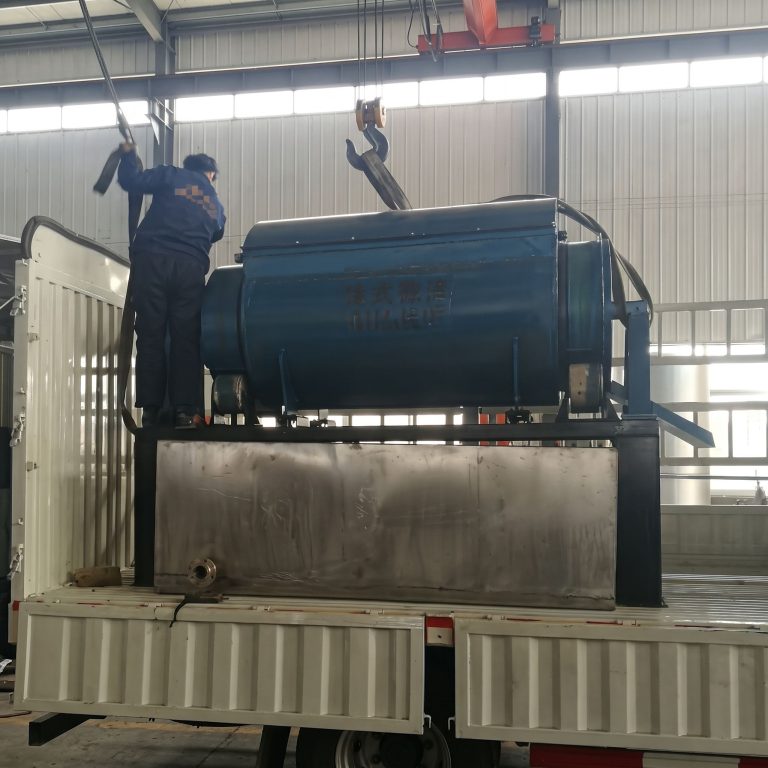 WastewaterWastewater Treatment Equipment SolutionScreens, flotation, clarifiers and sludge pressing for plant effluent.View solution →
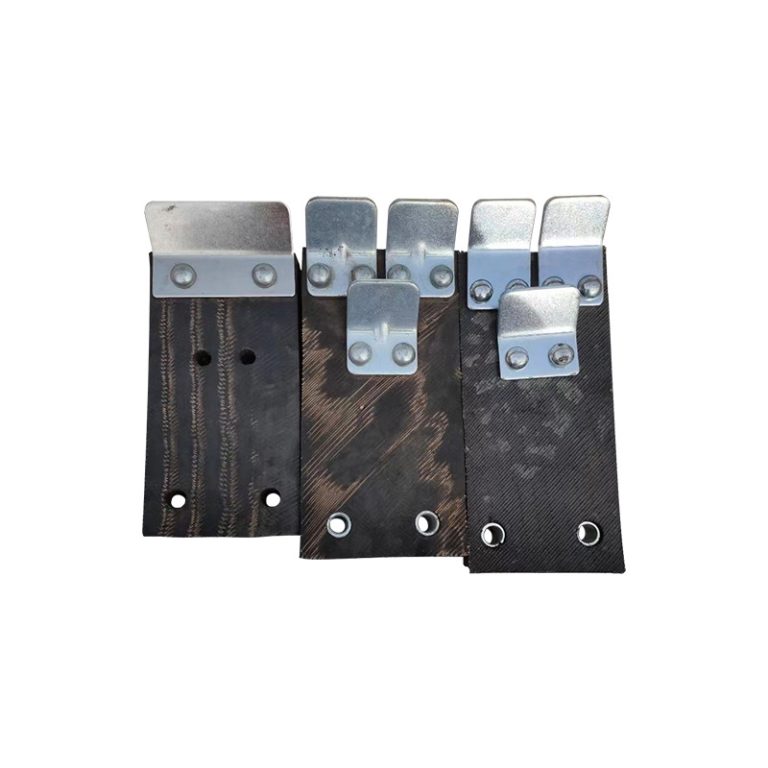 AccessoriesSlaughter Accessories SolutionsHooks, shackles, saw blades, rubber fingers and trolleys that wear out first.View solution →
Products related to this article
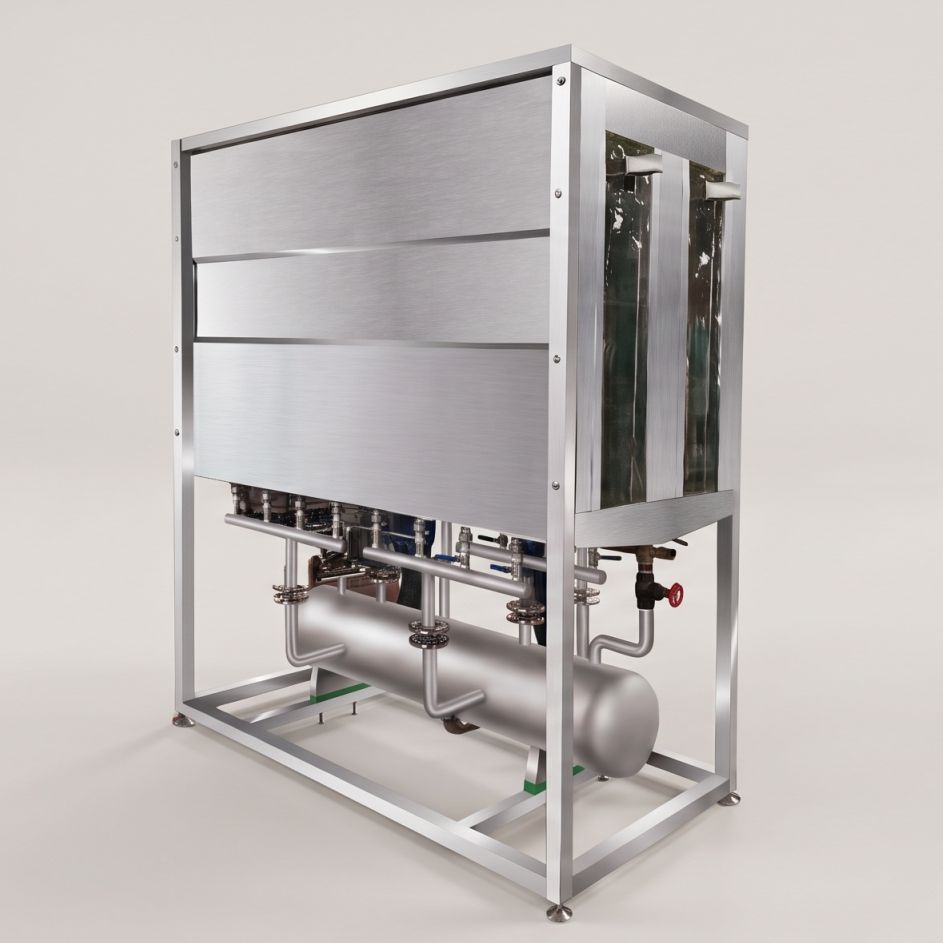 POULTRY SLAUGHTER EQUIPMENT
HIGH HUMIDITY HOT AIR SCALDING MACHINE
This equipment uses high-humidity hot air scalding technology, which is in line with the future development direction of poultry scalding technology.…
View product →
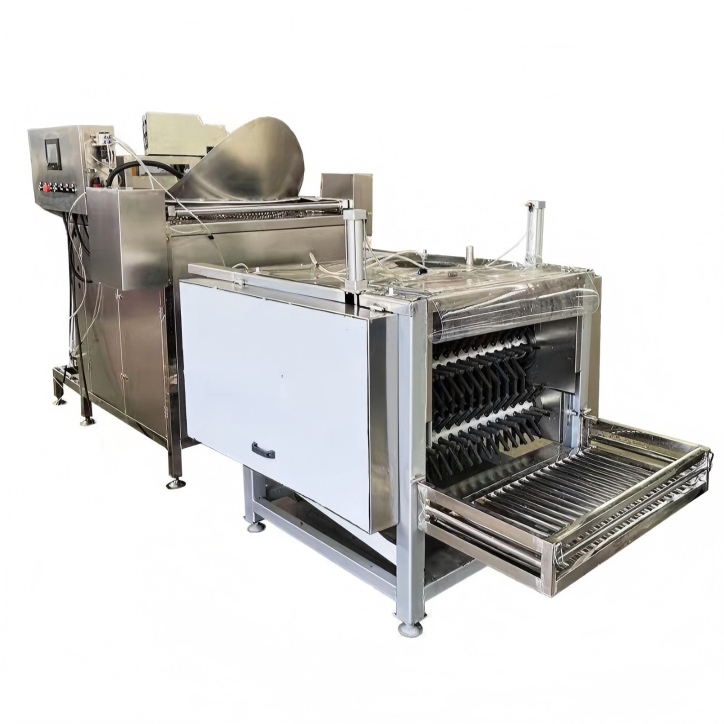 SCALDING AND PLUCKING MACHINE
NPW Automatic Poultry Processing Line: Bleeding, Scalding & Plucking System
Upgrade your slaughterhouse efficiency with NPW Equipment's fully automatic poultry processing line. This integrated system combines a…
View product →
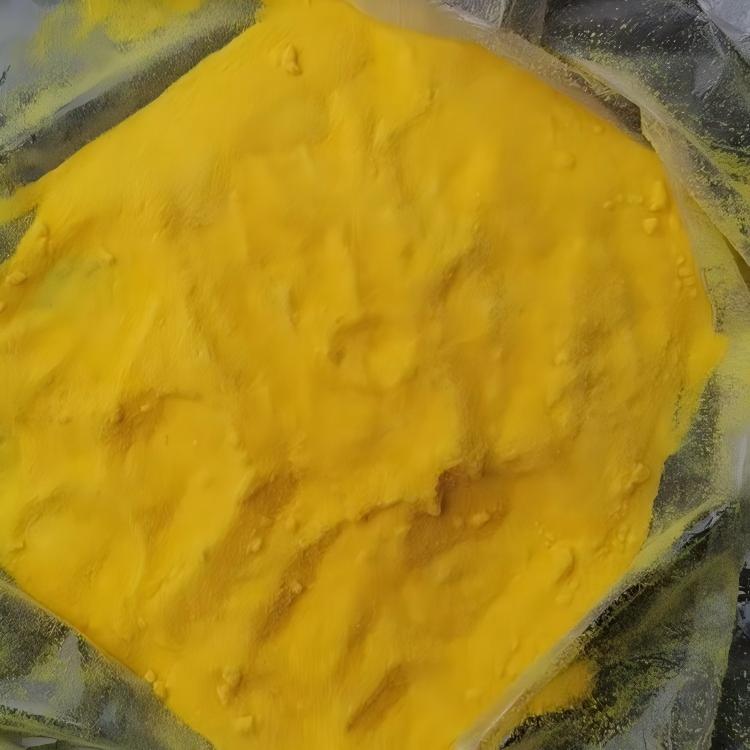 WASTEWATER TREATMENT EQUIPMENT
POLY ALUMINUM CHLORIDE FOR SLAUGHTERHOUSE WASTEWATER TREATMENT
This product is a specially optimized Poly Aluminum Chloride (PAC) high-efficiency coagulant formulated for the characteristics of slaughterhouse and…
View product →
 WASTEWATER TREATMENT EQUIPMENT
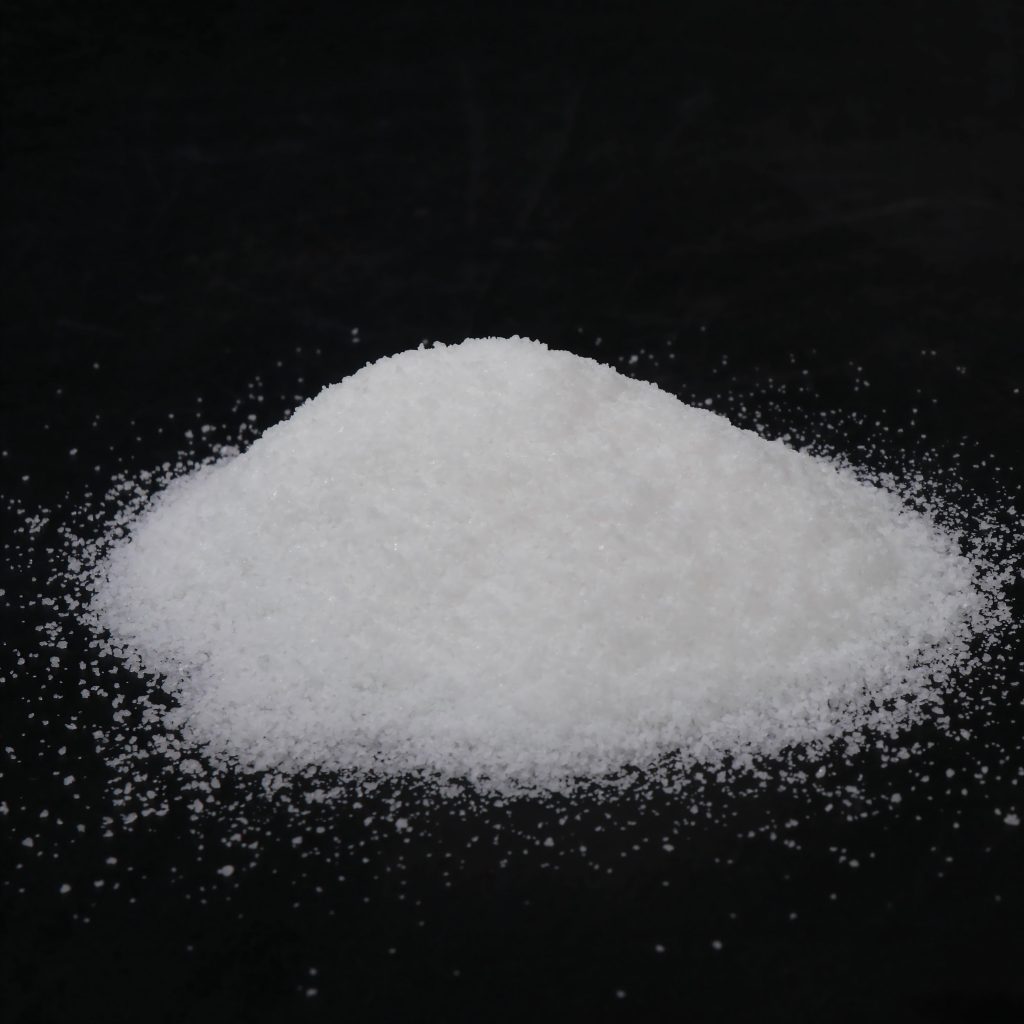
POLYACRYLAMIDE(PAM) FOR SLAUGHTERHOUSE WASTEWATER TREATMENT
This product is a series of Polyacrylamide (PAM) high-molecular-weight polymer flocculants, designed as the core “solid-liquid separation…
View product →
 SLAUGHTER ACCESSORIES
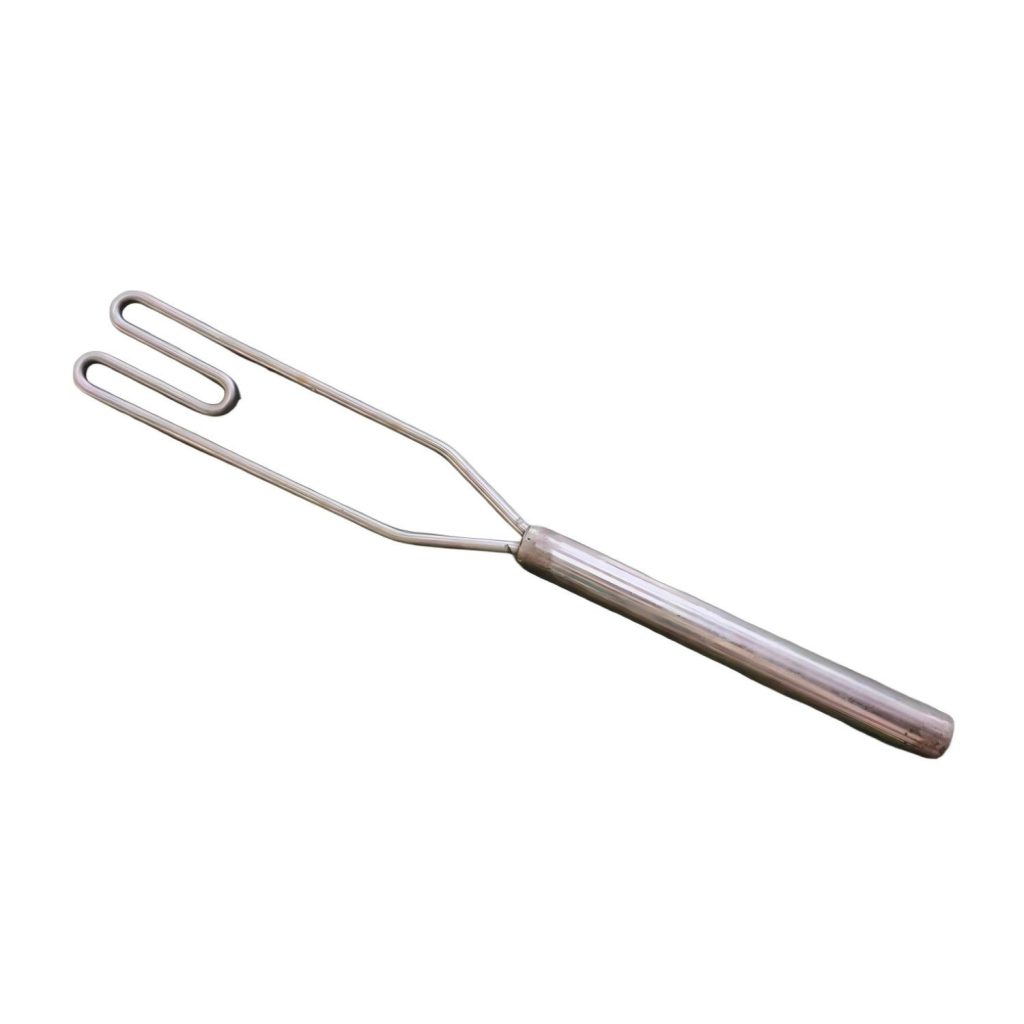
Poultry Viscera Evisceration Spoon
The poultry viscera evisceration spoon is a specialized auxiliary tool for poultry slaughter lines, designed for the efficient and clean removal of…
View product →
 SLAUGHTER ACCESSORIES
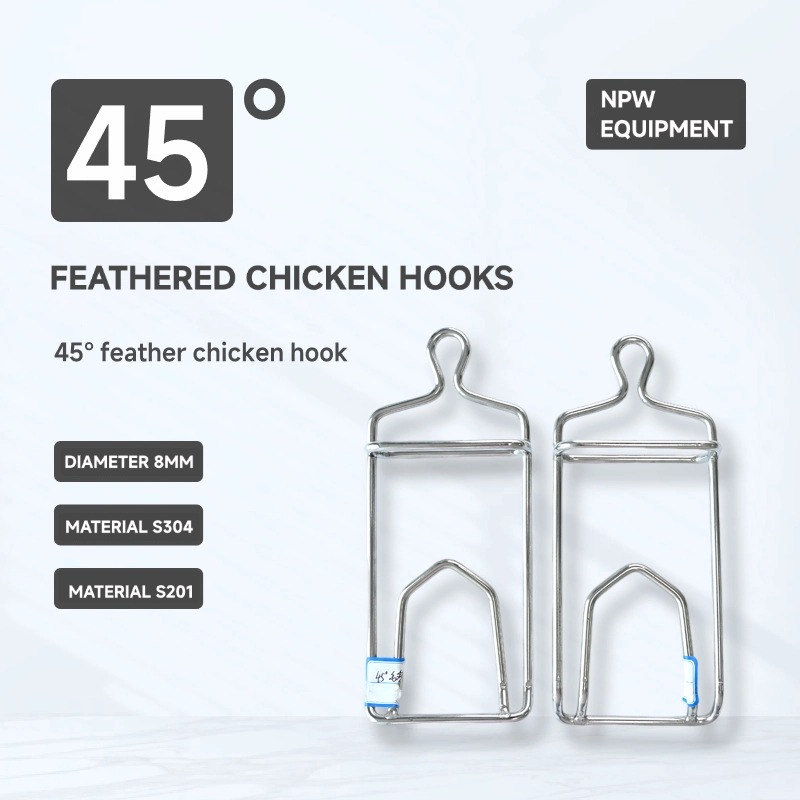
STAINLESS STEEL HOOKING AND SLAUGHTERING HOOKS
This series of hooks is specially designed for modern poultry slaughtering lines, serving as a key basic component that connects the conveying chain…
View product →