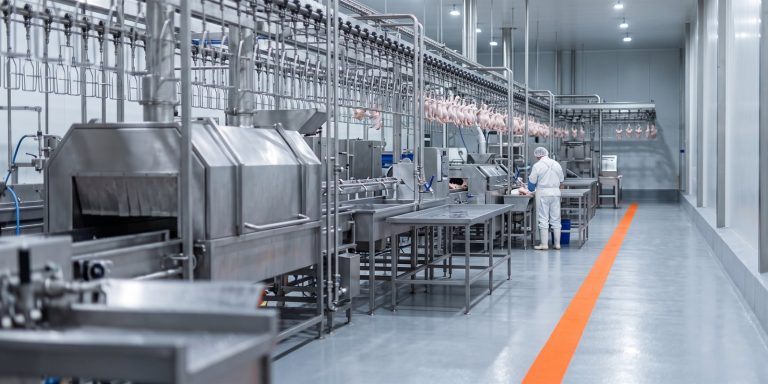
The scraper conveyor is a fundamental material-handling device deployed in poultry slaughtering and processing lines. As defined by the terminology standard for livestock and poultry slaughtering equipment, it refers to a conveyor that conveys materials by means of scrapers mounted on a traction component. In poultry processing operations, this equipment is primarily responsible for the continuous collection and transfer of processing by-products, viscera, feathers, and waste materials, serving as a critical link in maintaining hygienic material flow and centralized waste handling on the processing floor.
Structural Principle and Suitability for Slaughterhouse Environments
A scraper conveyor consists of an enclosed or semi-enclosed trough, a traction component (typically a chain), and scrapers fixed to the chain at intervals. During operation, the traction component drives the scrapers along the bottom of the trough, pushing material deposited therein toward a designated discharge point. Unlike belt conveyors, the scraper design is better suited to moist, fragmented, and liquid-bearing materials, as it resists material adhesion and residue buildup. Consequently, in poultry slaughterhouses, scraper conveyors are commonly positioned beneath viscera evisceration stations, along feather collection channels, or at by-product accumulation areas. Troughs are generally fabricated from 304 stainless steel to withstand the high humidity and frequent washdown typical of slaughter environments, while scrapers and chains require adequate wear resistance for continuous-duty operation.
Typical Applications in Poultry Slaughtering Lines
Across the poultry slaughtering and cutting process, scraper conveyors typically appear at the following points: beneath the bleeding section to collect blood and debris; in the scalding and defeathering section to receive shed feathers and convey them outward; in the viscera processing area to collect inedible viscera and waste tissue from evisceration; and in the cutting and trimming section to gather trim waste and offcuts. Some lines also employ scraper conveyors for transferring slaughterhouse by-products (such as recoverable feathers or viscera raw material) to downstream processing or storage areas. Compared with manual cart collection, the continuous operation of a scraper conveyor significantly reduces the frequency of operator contact with waste materials, lowers cross-contamination risks, and helps maintain a clean working surface in conjunction with floor drainage and washdown systems.
Selection and Hygienic Design Considerations
When procuring a scraper conveyor, priority should be given to confirming that product-contact surfaces are made of food-grade stainless steel and that the trough interior is smooth and free of dead corners to facilitate routine cleaning and sanitizing. The chain tensioning adjustment device should be easily accessible to compensate for chain elongation after extended operation. Drive power should be determined based on conveying length, material bulk density, and throughput; power ratings for typical poultry slaughterhouse specifications generally range from 0.75 to 3 kW. For conveyors handling inedible by-products, removable covers or an enclosed trough design are recommended to prevent odor dispersion and pest intrusion. Additionally, equipment should comply with the general safety and hygiene requirements for conveying equipment specified in GB/T 42121-2022 Livestock and poultry slaughtering and processing equipment—Conveyor equipment for poultry slaughtering and processing. Routine maintenance should focus on chain lubrication inspection, scraper wear assessment, and removal of residual material from the trough bottom, with trough flushing and sanitizing performed after each shift
Solutions related to this article
 PoultryComplete Poultry Slaughter Line SolutionsHanging, scalding, plucking, evisceration and chilling on one continuous line.View solution →
 CleaningFood Industry Cleaning Equipment SolutionsFoam, CIP and washdown systems for food-contact surfaces and drains.View solution →
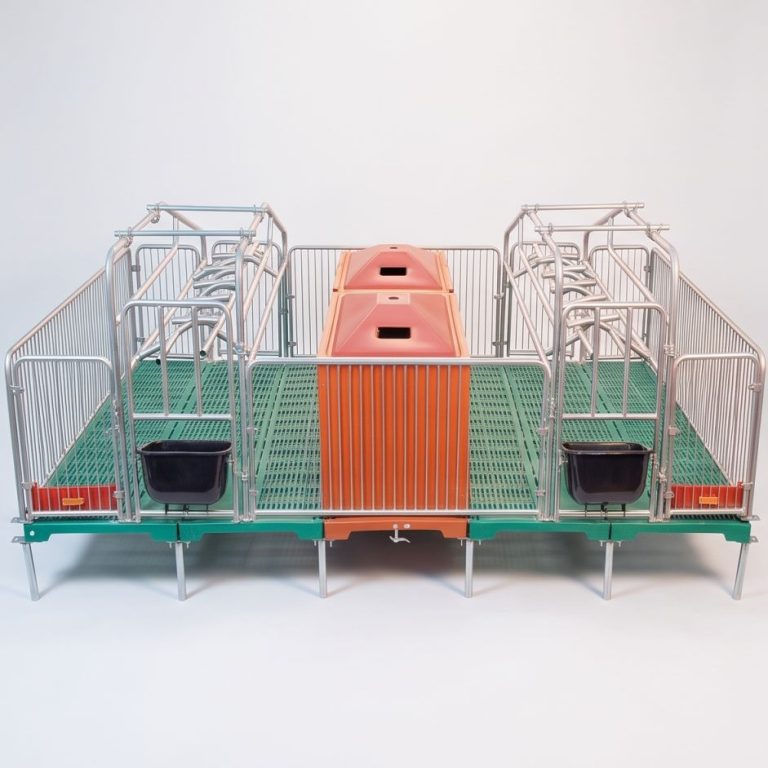 LivestockLivestock Farming Equipment SolutionsHousing, slatted flooring, feeding, drinking and ventilation for pig and cattle barns.View solution →
Products related to this article
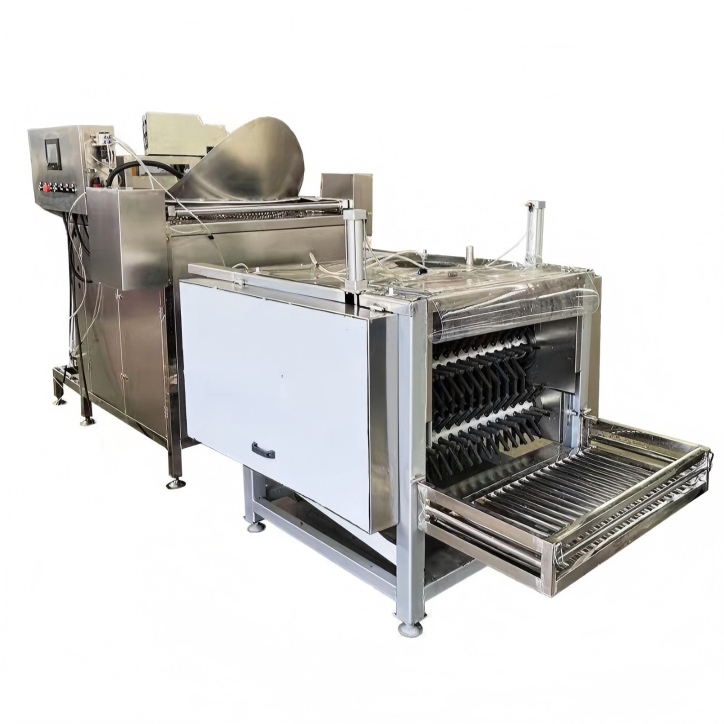 SCALDING AND PLUCKING MACHINE
NPW Automatic Poultry Processing Line: Bleeding, Scalding & Plucking System
Upgrade your slaughterhouse efficiency with NPW Equipment's fully automatic poultry processing line. This integrated system combines a…
View product →
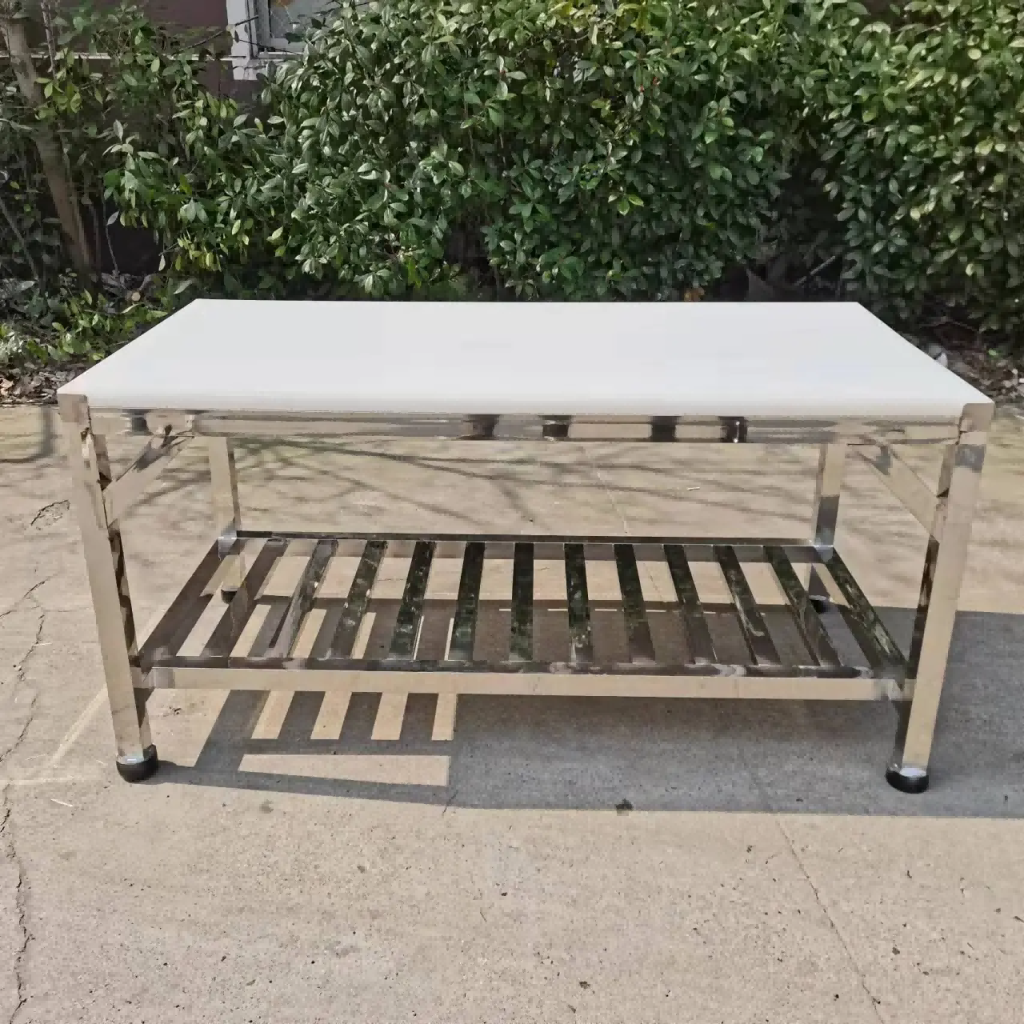 POULTRY SLAUGHTER EQUIPMENT
Stainless Steel Deboning and Cutting Table
A heavy-duty, ergonomic workstation designed for precision manual deboning and portioning, featuring a high-density food-grade cutting surface and a…
View product →
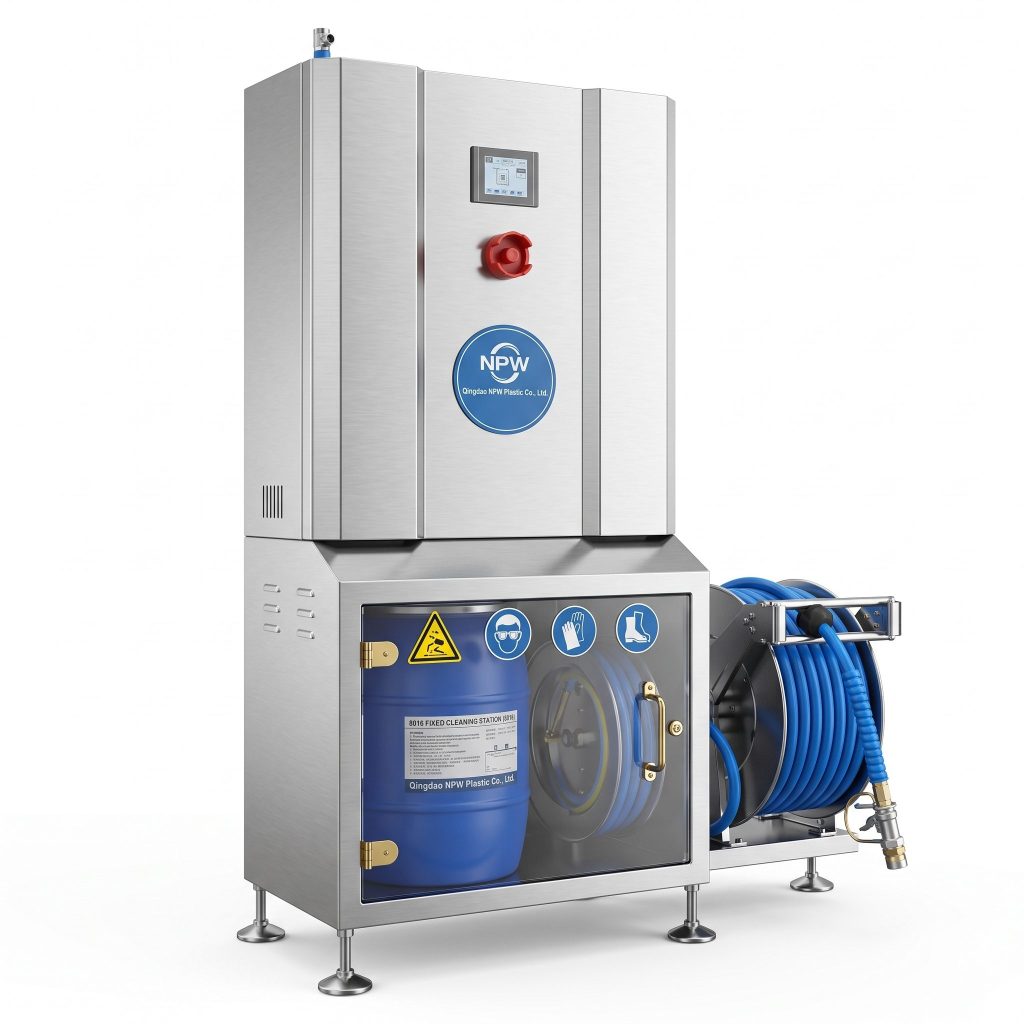 FOOD INDUSTRY CLEANING SYSTEM
8016 FIXED CLEANING STATION (8016)
Fixed installation, integrates into line for continuous cleaning. Stable pressure/flow ensures efficient cleaning. Industrial stainless steel for…
View product →
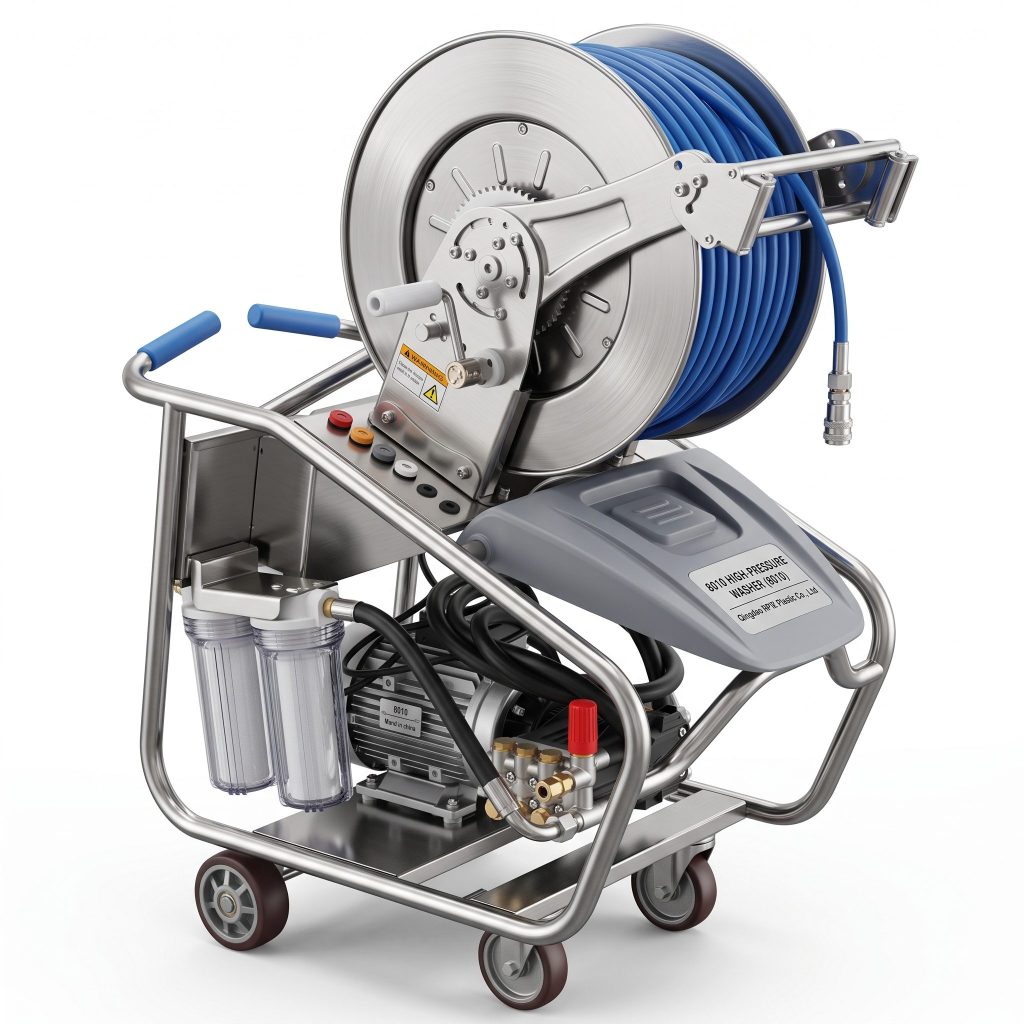 FOOD INDUSTRY CLEANING SYSTEM
8010 HIGH-PRESSURE WASHER (8010)
150kg high-pressure washer/disinfector for food plant grease. Optimized pressure/flow for effective rinse. Simple, stable, reliable, low maintenance.…
View product →
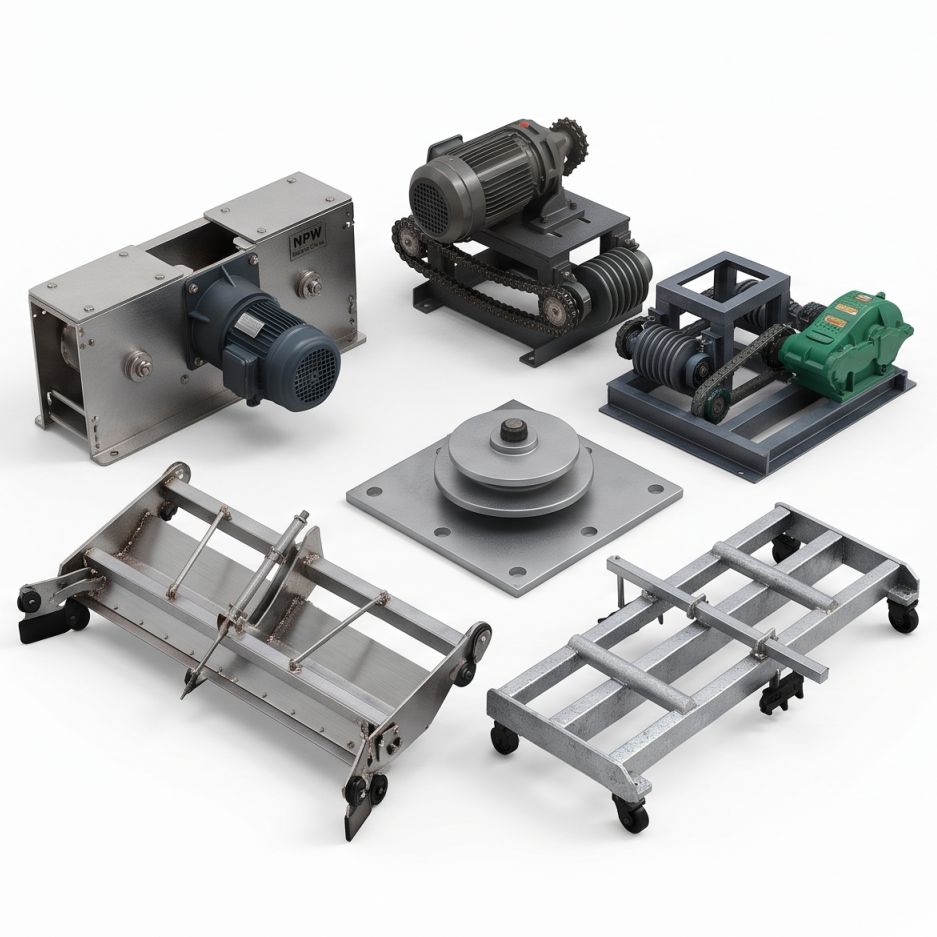 LIVESTOCK & POULTRY FARMING EQUIPMENT
NPW AUTOMATIC V-SCRAPER MANURE REMOVAL SYSTEM (NPW-MRS SERIES)
Heavy-duty automatic manure scraper system with stainless steel folding blades and low-maintenance drive motors for continuous barn hygiene.
View product →
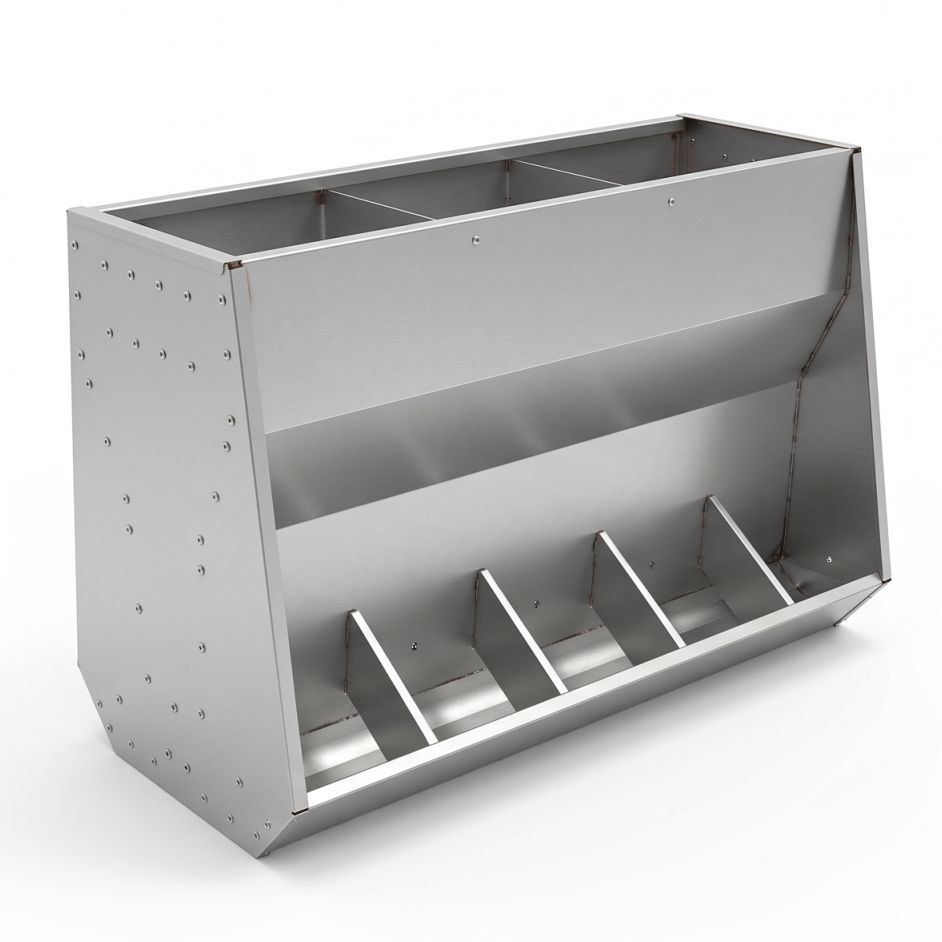 LIVESTOCK & POULTRY FARMING EQUIPMENT
NPW STAINLESS STEEL DOUBLE-SIDED & SINGLE-SIDED FEED TROUGHS (NPW-SST SERIES)
Laser-cut, CNC-bent SUS 304/201 automatic feed troughs with adjustable flow dividers for nursery, fattening, and gestation barns.
View product →