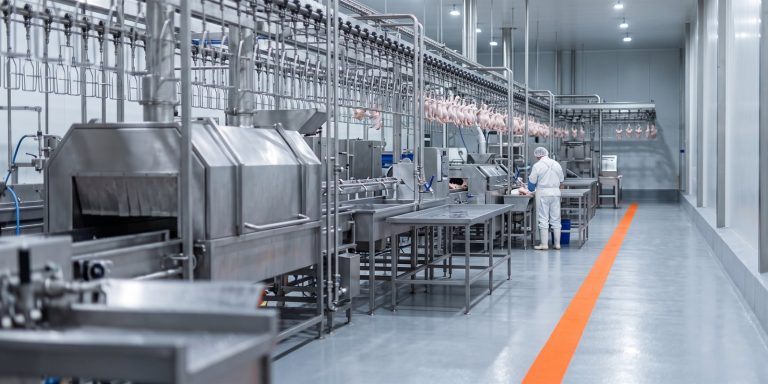
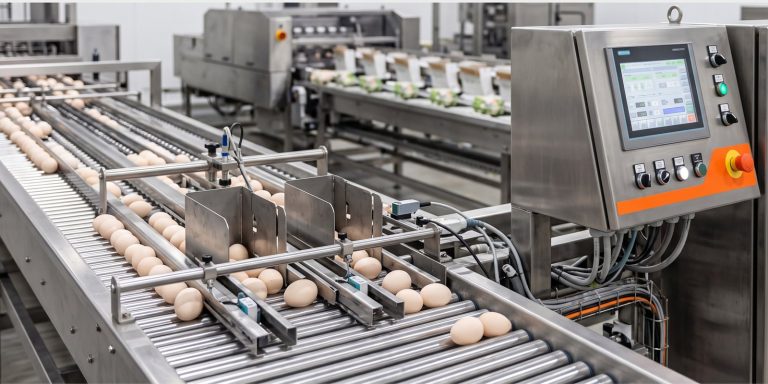
The roller conveyor is a fundamental material-handling device in poultry slaughtering, cutting, and packaging operations. As defined by the terminology standard for livestock and poultry slaughtering equipment, it refers to a conveyor that conveys materials by means of multiple rollers mounted side by side on a frame. In poultry processing plants, this equipment is primarily used for transferring poultry cages, conveying turnover crates of cut poultry parts, and linking packaging and dispatch logistics. Its simple structure, strong load-bearing capacity, and ease of washdown make it a common choice for inter-station connections and finished-product handling in slaughtering and cutting lines.
Structural Composition and Drive Types
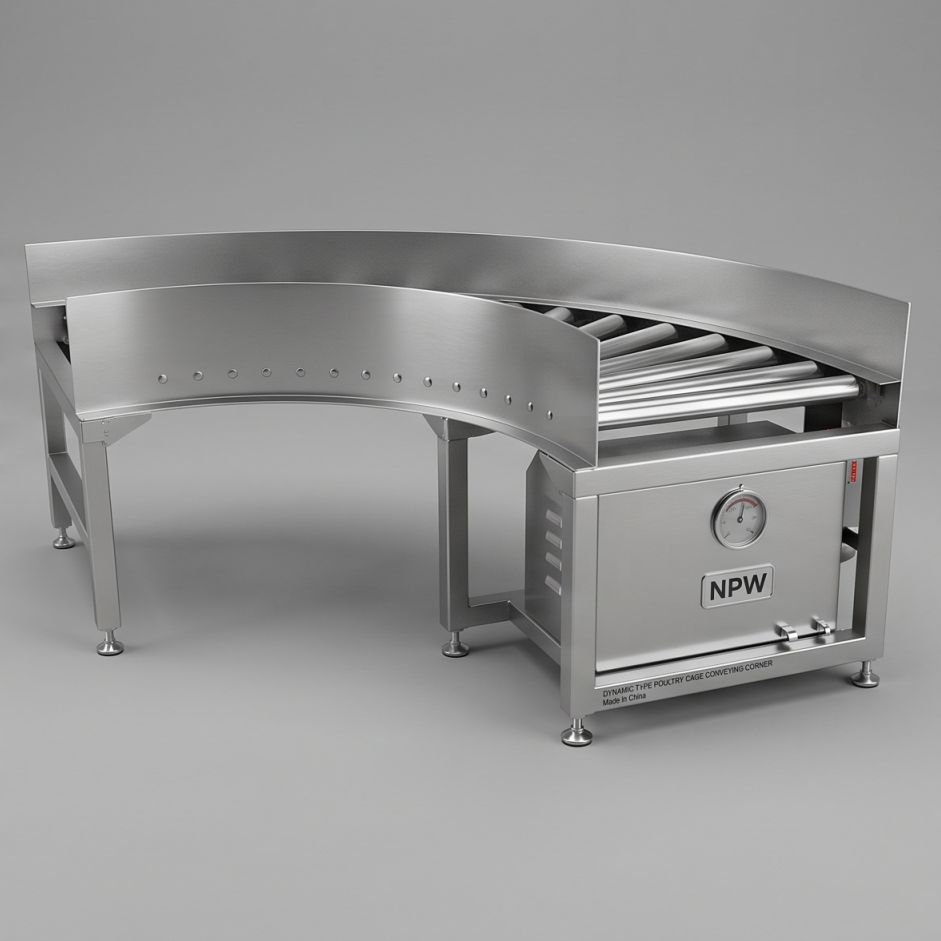
A roller conveyor consists of a frame, rollers mounted side by side at defined intervals, a drive system (or gravity-based no-drive design), and side guards. By drive type, it is classified into two categories: gravity roller conveyors and powered roller conveyors. Gravity roller conveyors rely on manual pushing or inclined gravity flow, featuring a simple structure with no electrical components, and are widely used for short-distance transfers and poultry cage unloading buffers in slaughterhouses. Powered roller conveyors drive rollers via chain transmission, poly-V belt transmission, or drum motors, moving materials forward through friction, and are suited for longer distances or integration with automated production lines. Frames are typically welded from 304 stainless steel square tubing, while rollers may be stainless steel, galvanized steel, or engineering plastic. Cylindrical rollers are standard for straight sections, with tapered rollers used in curves for smooth direction changes.
Typical Applications in Poultry Slaughtering
In poultry slaughtering operations, roller conveyors appear at the following stages: the live poultry receiving area, where gravity roller sections serve as buffers for poultry cages unloaded from transport vehicles, allowing operators to push cages to the hanging station; the cutting and trimming section, for transporting turnover crates or trays holding cut poultry parts, with roller gaps allowing washdown water and debris to fall through and maintain station cleanliness; and the packaging and finished-product section, receiving weighed and packaged poultry cases for transfer to metal detection, labeling, or cold-storage entry points. Compared with belt conveyors, roller conveyors handle flat-bottomed crates and trays more smoothly, and the open roller surface facilitates routine washing and sanitizing in compliance with slaughterhouse hygiene requirements.
Selection and Hygienic Design Considerations
When procuring a roller conveyor, confirm that rollers and frame surfaces in contact with materials are made of food-grade stainless steel. Roller end bearings should preferably use sealed structures or plastic end caps to prevent washdown water and debris from entering the bearings. Roller spacing should be determined by the bottom dimensions of conveyed items to ensure crates or trays do not fall between rollers. For poultry cage roller sections in the live receiving area, load capacity and impact resistance are key considerations; for cutting and packaging areas, roller surface smoothness and cleaning accessibility should be prioritized. Equipment should comply with the general safety and hygiene requirements for conveying equipment specified in GB/T 42121-2022 Livestock and poultry slaughtering and processing equipment—Conveyor equipment for poultry slaughtering and processing. Routine maintenance should focus on checking roller rotation freedom, confirming bearing seal condition, and removing residue from roller surfaces, with flushing and sanitizing performed after each shift.
Solutions related to this article
 CleaningFood Industry Cleaning Equipment SolutionsFoam, CIP and washdown systems for food-contact surfaces and drains.View solution →
 LivestockLivestock Farming Equipment SolutionsHousing, slatted flooring, feeding, drinking and ventilation for pig and cattle barns.View solution →
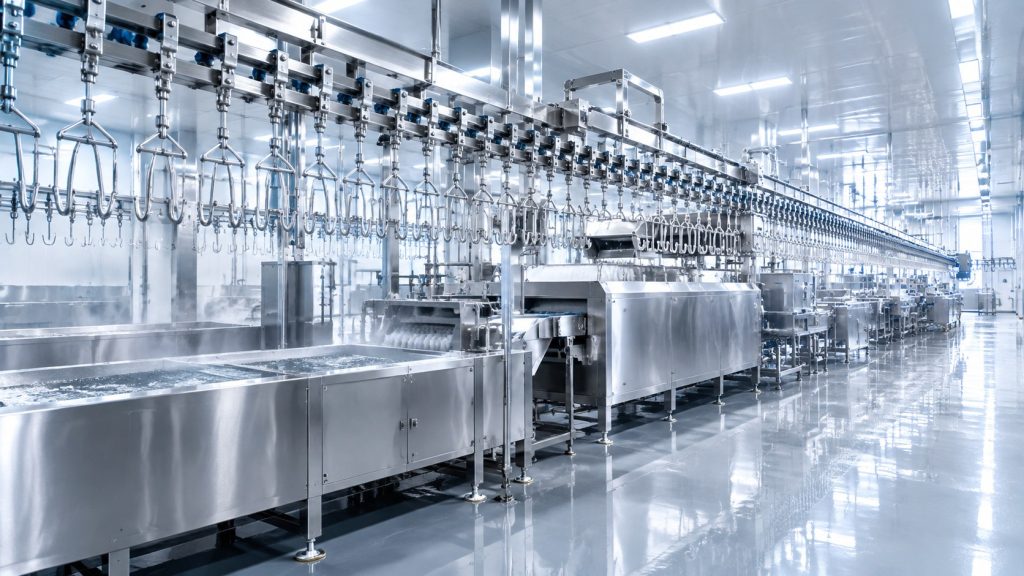 PoultryComplete Poultry Slaughter Line SolutionsHanging, scalding, plucking, evisceration and chilling on one continuous line.View solution →
Products related to this article
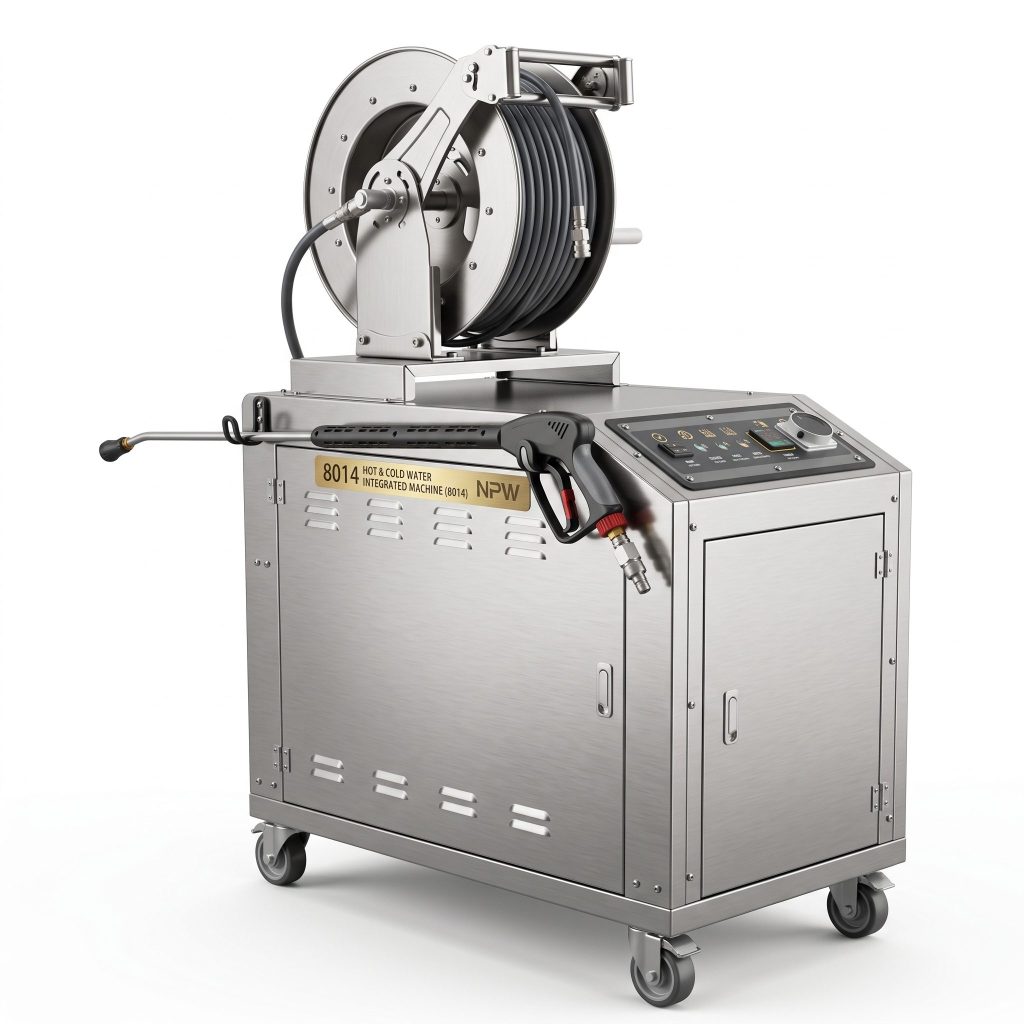 FOOD INDUSTRY CLEANING SYSTEM
8014 HOT & COLD WATER INTEGRATED MACHINE (8014)
200Bar stable high pressure effectively cleans stubborn stains. 90℃ hot water instantly dissolves congealed grease. Hot water provides physical…
View product →
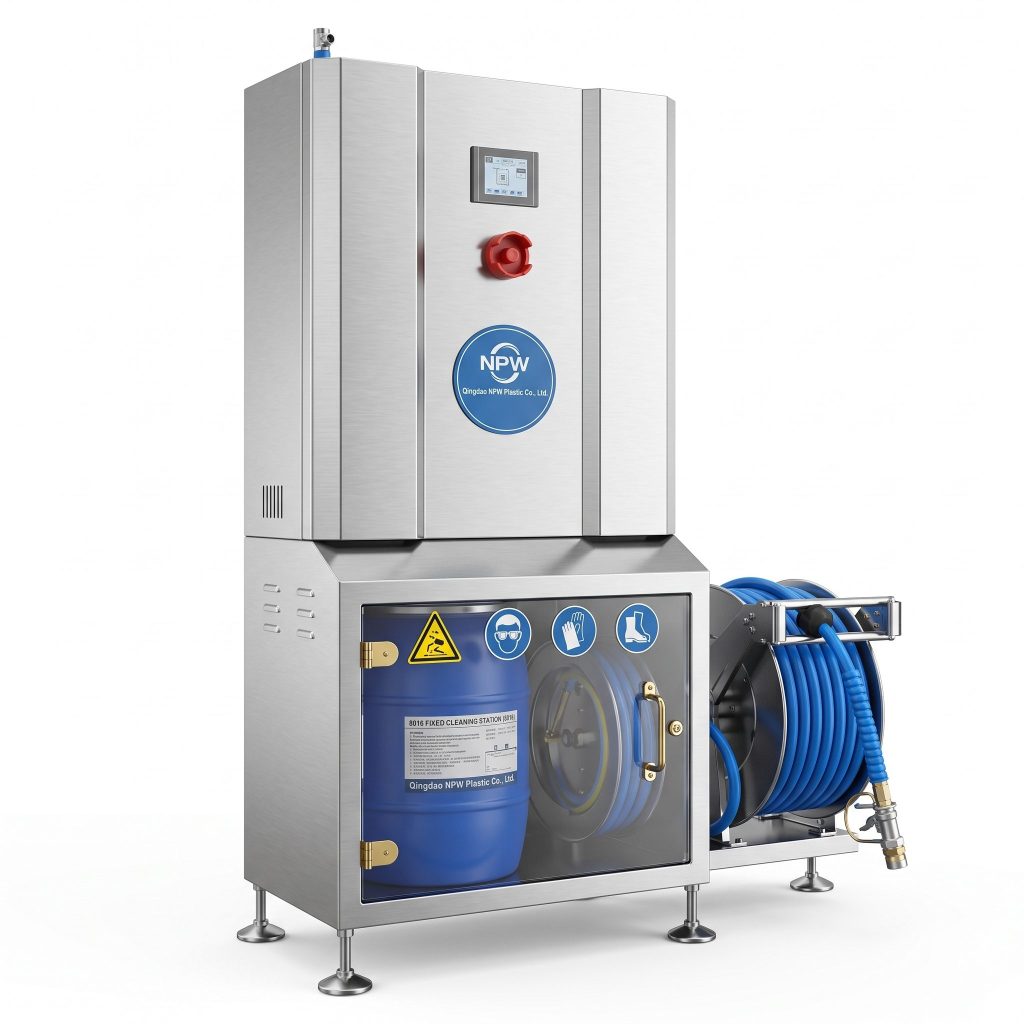 FOOD INDUSTRY CLEANING SYSTEM
8016 FIXED CLEANING STATION (8016)
Fixed installation, integrates into line for continuous cleaning. Stable pressure/flow ensures efficient cleaning. Industrial stainless steel for…
View product →
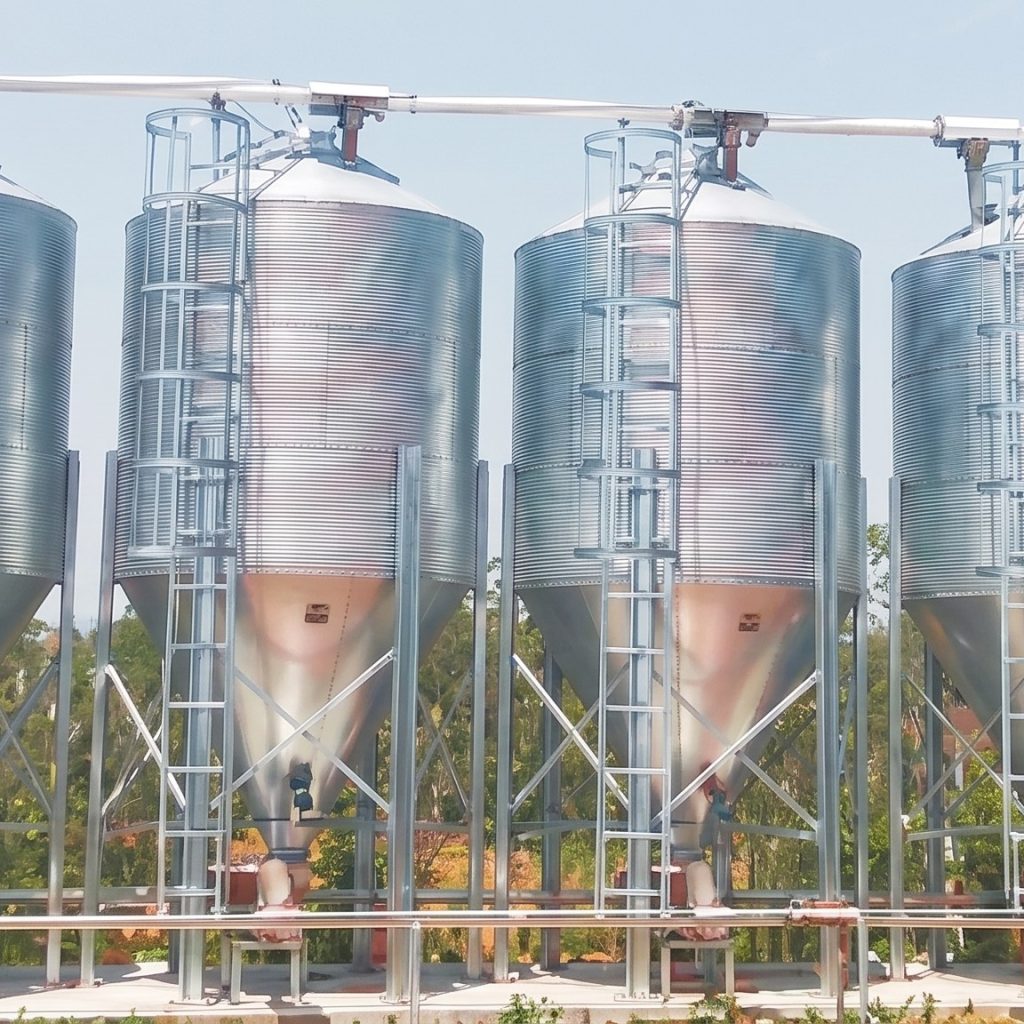 LIVESTOCK & POULTRY FARMING EQUIPMENT
NPW GALVANIZED CORRUGATED STEEL FEED SILO SERIES (3 TON ~ 32 TON / NPW-GFS SERIES)
Automated farm feed storage silos built from high-strength galvanized corrugated steel with ground-operated roof openers and safety features.
View product →
 LIVESTOCK & POULTRY FARMING EQUIPMENT
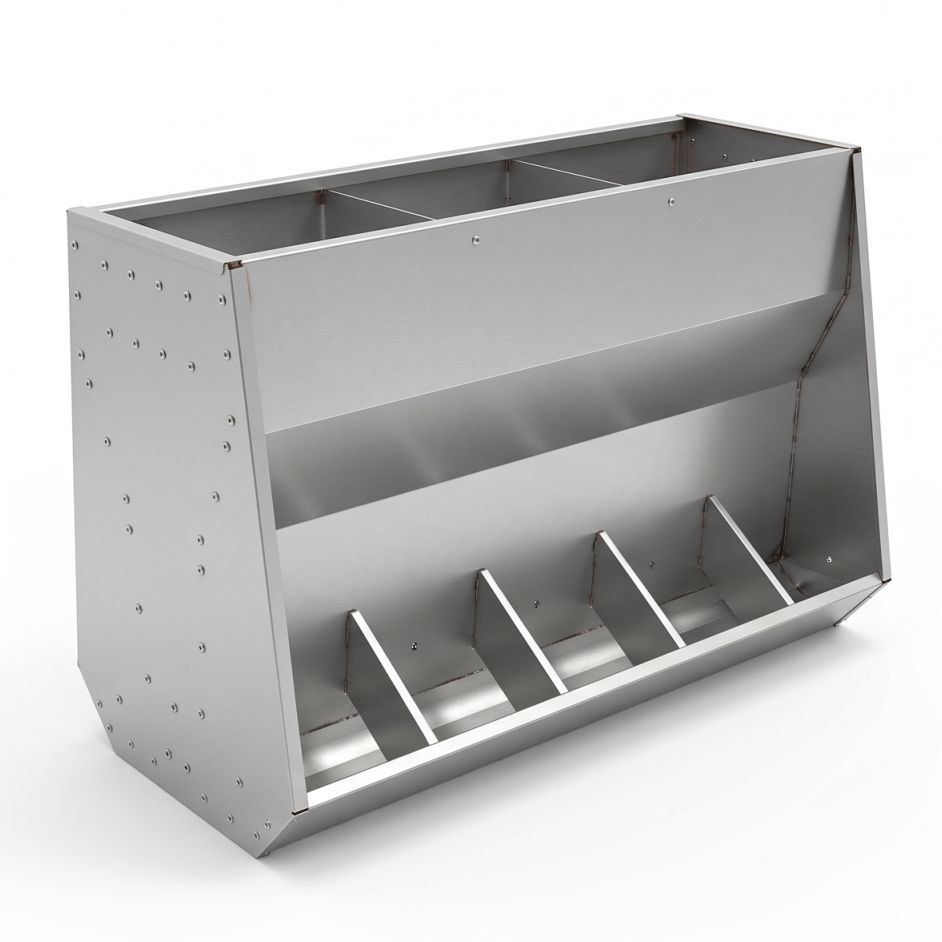
NPW STAINLESS STEEL DOUBLE-SIDED & SINGLE-SIDED FEED TROUGHS (NPW-SST SERIES)
Laser-cut, CNC-bent SUS 304/201 automatic feed troughs with adjustable flow dividers for nursery, fattening, and gestation barns.
View product →
 POULTRY SLAUGHTER EQUIPMENT
DYNAMIC TYPE POULTRY CAGE CONVEYING CORNER
All made of stainless steel Dynamic wheel conveying Adjustable CVT (Continuously Variable Transmission) Smooth operation, no noise
View product →
 POULTRY SLAUGHTER EQUIPMENT
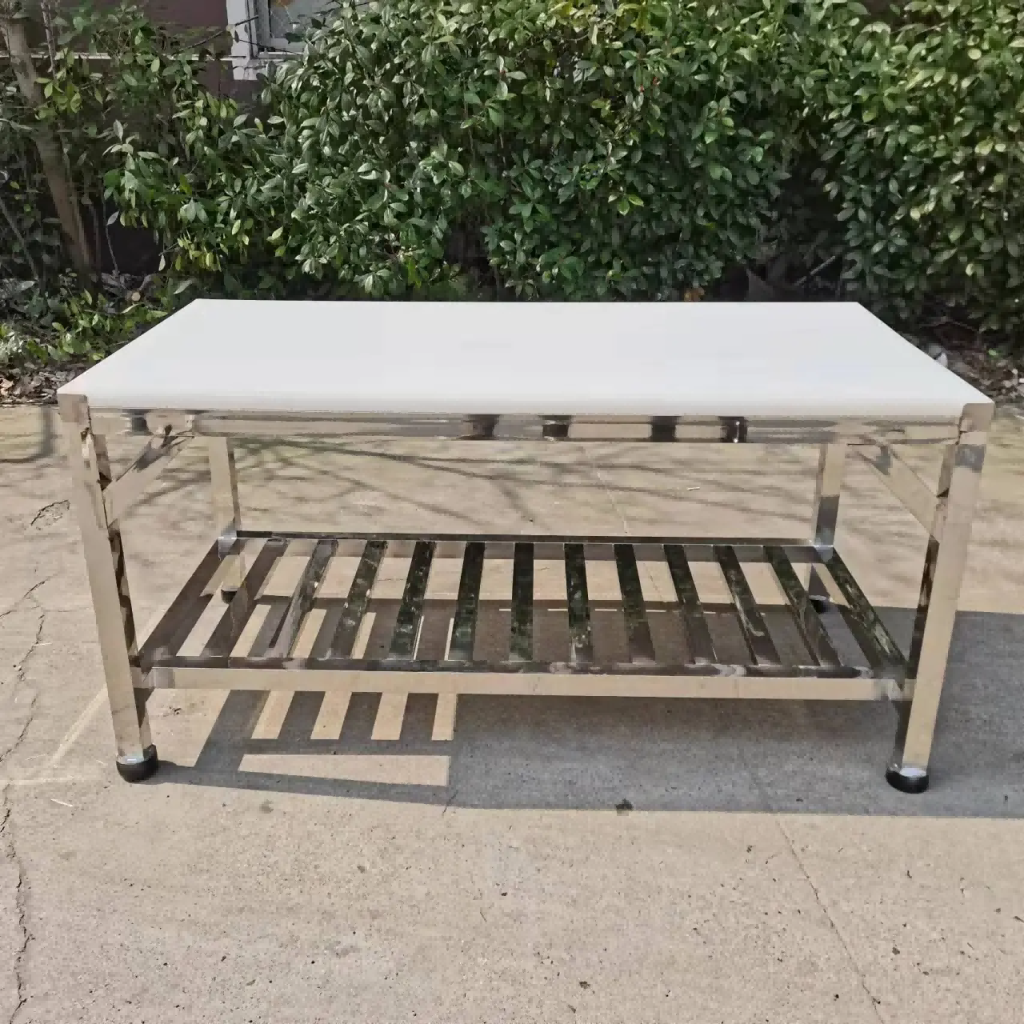
Stainless Steel Deboning and Cutting Table
A heavy-duty, ergonomic workstation designed for precision manual deboning and portioning, featuring a high-density food-grade cutting surface and a…
View product →