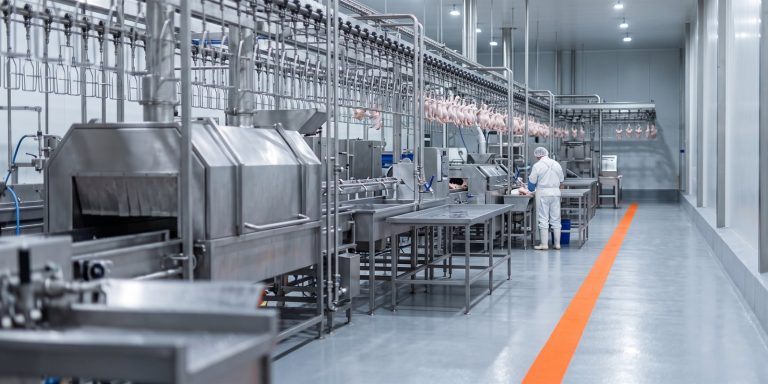
The manual overhead conveyor is a fundamental suspension conveying device used in poultry slaughtering plants for transporting carcasses and dressed birds. As defined by the terminology standard for livestock and poultry slaughtering equipment, it refers to an overhead conveying apparatus that relies on manual pushing to transfer carcasses and dressed poultry. In poultry processing operations, this equipment is primarily responsible for suspending and moving birds between bleeding, scalding, defeathering, and evisceration stations. Its simple structure, absence of drive mechanisms, and flexible layout make it a common choice for small-scale slaughterhouses and low-to-medium capacity lines.
Structural Composition and Working Principle
A manual overhead conveyor consists of an elevated track, trolleys, shackles, and switches. The track is typically tubular or profiled, mounted overhead on posts or brackets. Trolleys equipped with wheels run along the track flanges, and shackles suspended beneath the trolleys hold the poultry. Operators manually push the loaded trolleys along the track between workstations. Unlike powered overhead conveyors, manual overhead conveyors have no drive chain or motor, relying entirely on human pushing force, which results in a simple structure, low failure rate, and ease of cleaning and maintenance. Tracks and shackles are generally made of 304 stainless steel or hot-dip galvanized steel to withstand the high-humidity, washdown-intensive environment of slaughterhouses. The track layout can incorporate straight sections, curves, and switch branches to enable flexible routing between multiple workstations.
Typical Applications in Poultry Slaughtering
In poultry slaughtering operations, manual overhead conveyors appear at the following stages: the bleeding section, where slaughtered birds are suspended to allow blood to drain, with operators pushing birds through bleeding positions at a set rhythm; the scalding and defeathering section, where birds are pushed to scalder and plucker inlets and onward after defeathering; the evisceration and viscera handling section, where birds are suspended for manual evisceration, with shackles holding birds at an appropriate height for two-handed operation; and the cutting and trimming section, where birds can be pushed to cutting tables or deboning stations. For small slaughterhouses or lower-capacity lines, manual overhead conveyors provide the essential function of overhead conveying with minimal equipment investment, and shackle spacing and track routing can be flexibly adjusted to actual workstation layouts without complex electrical control systems.
Selection and Hygienic Design Considerations
When procuring a manual overhead conveyor, confirm that the track, trolleys, and shackles are made of food-grade stainless steel or hot-dip galvanized material, and that trolley wheels use sealed bearings or wear-resistant nylon wheels to prevent washdown water and blood from causing jamming. Track installation should ensure straight sections are true and curves transition smoothly, with flange height differences and gaps at joints controlled within reasonable tolerances to prevent trolley sticking. Shackle spacing should be determined by bird dimensions and workstation operating space, commonly ranging from 600 to 1200 mm and adjustable to actual process requirements. For evisceration stations subject to frequent washdown, shackle cleaning devices are recommended at suitable track locations, or removable shackles for centralized cleaning and sanitizing. Equipment should comply with the safety and hygiene requirements for overhead conveying equipment specified in GB/T 42121-2022 Livestock and poultry slaughtering and processing equipment—Conveyor equipment for poultry slaughtering and processing, including technical criteria for traction chains (where applicable), shackle deformation limits, and track installation accuracy. Routine maintenance should focus on removing blood and grease from track surfaces, checking trolley wheel rotation freedom, assessing shackle deformation, and verifying switch operation reliability, with track and shackle flushing and sanitizing performed after each shift
Solutions related to this article
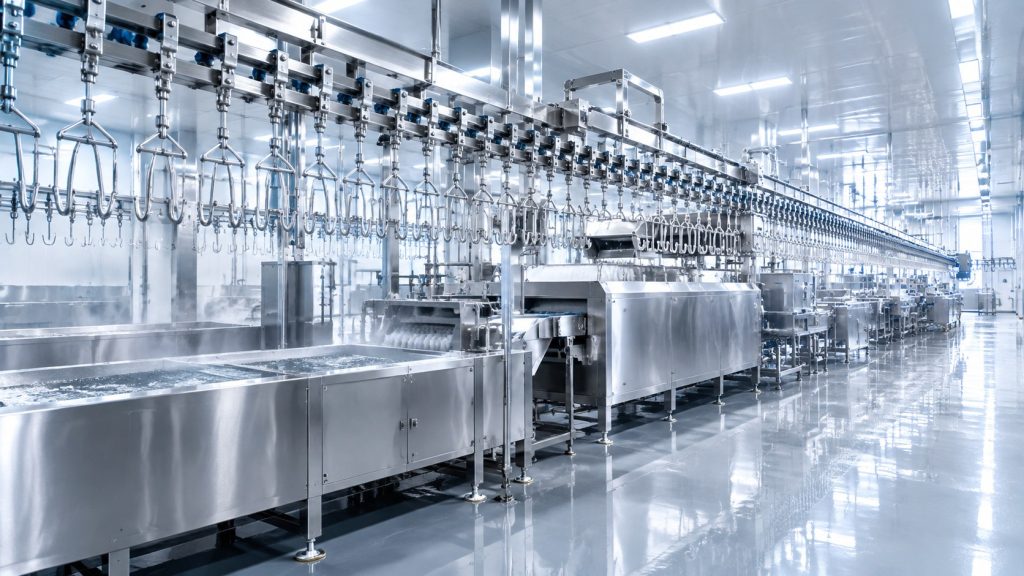 PoultryComplete Poultry Slaughter Line SolutionsHanging, scalding, plucking, evisceration and chilling on one continuous line.View solution →
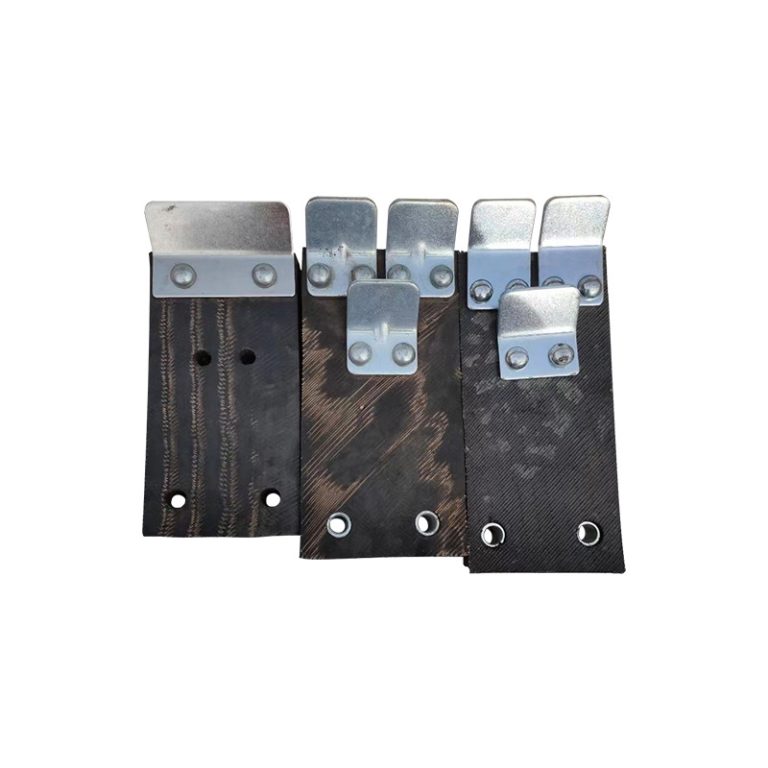 AccessoriesSlaughter Accessories SolutionsHooks, shackles, saw blades, rubber fingers and trolleys that wear out first.View solution →
 CleaningFood Industry Cleaning Equipment SolutionsFoam, CIP and washdown systems for food-contact surfaces and drains.View solution →
Products related to this article
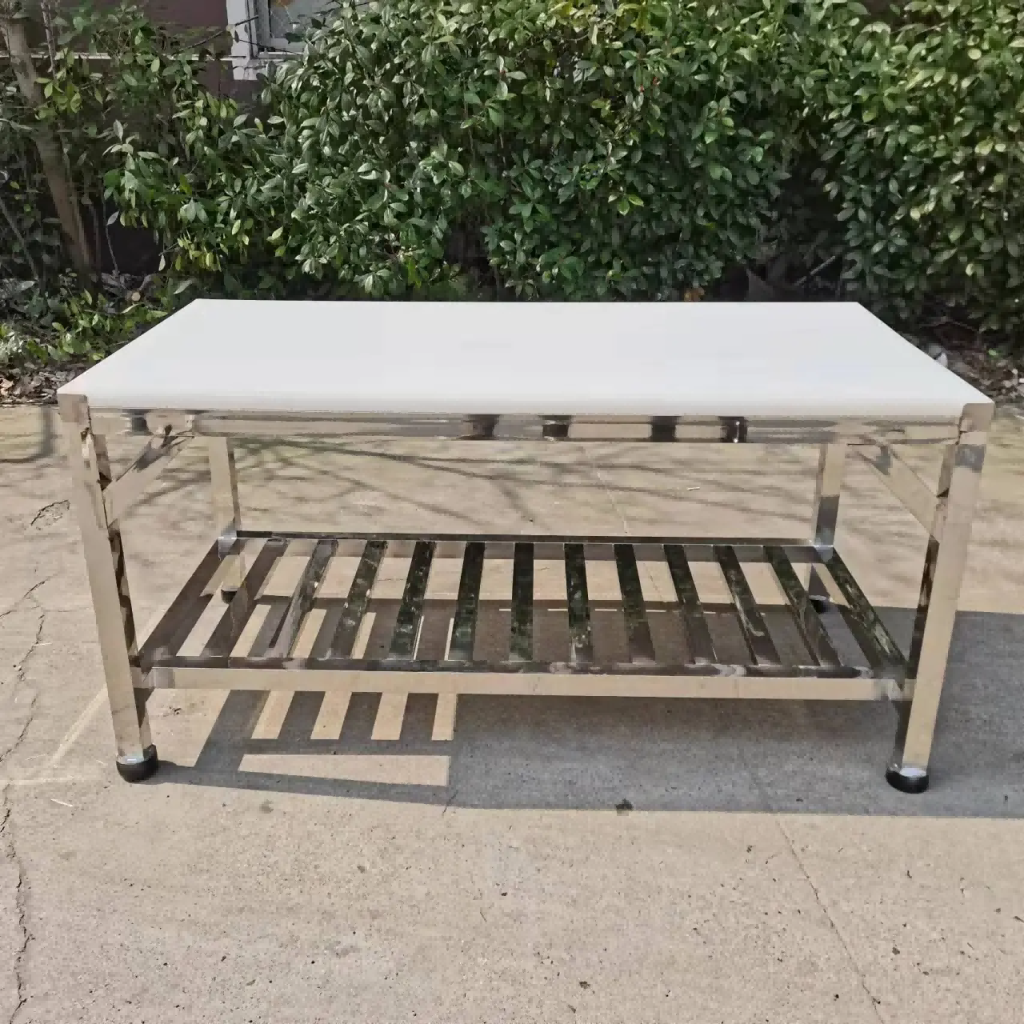 POULTRY SLAUGHTER EQUIPMENT
Stainless Steel Deboning and Cutting Table
A heavy-duty, ergonomic workstation designed for precision manual deboning and portioning, featuring a high-density food-grade cutting surface and a…
View product →
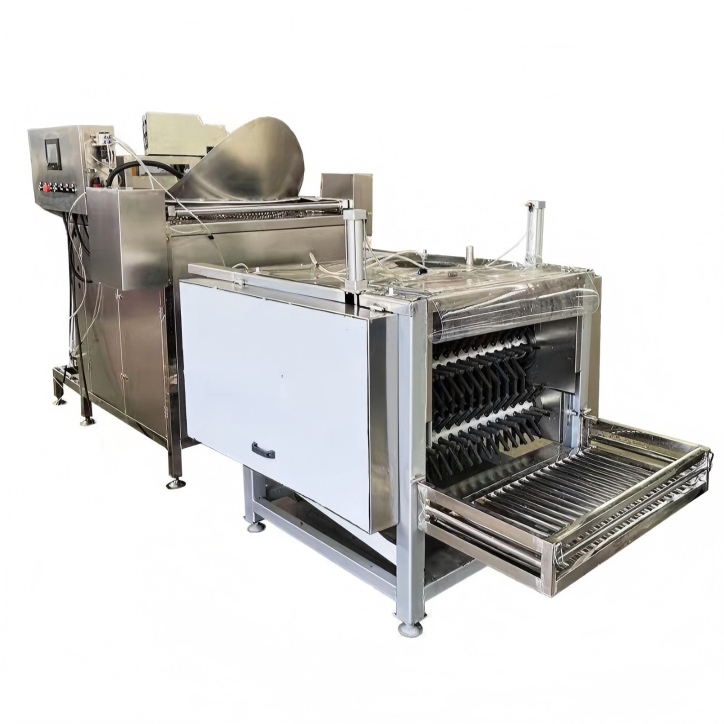 SCALDING AND PLUCKING MACHINE
NPW Automatic Poultry Processing Line: Bleeding, Scalding & Plucking System
Upgrade your slaughterhouse efficiency with NPW Equipment's fully automatic poultry processing line. This integrated system combines a…
View product →
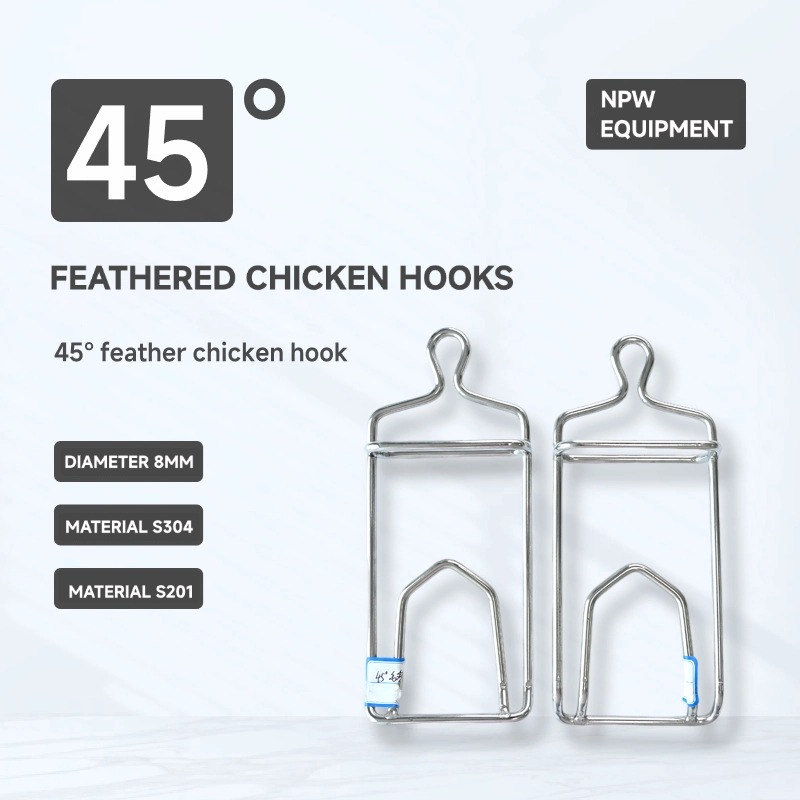 SLAUGHTER ACCESSORIES
STAINLESS STEEL HOOKING AND SLAUGHTERING HOOKS
This series of hooks is specially designed for modern poultry slaughtering lines, serving as a key basic component that connects the conveying chain…
View product →
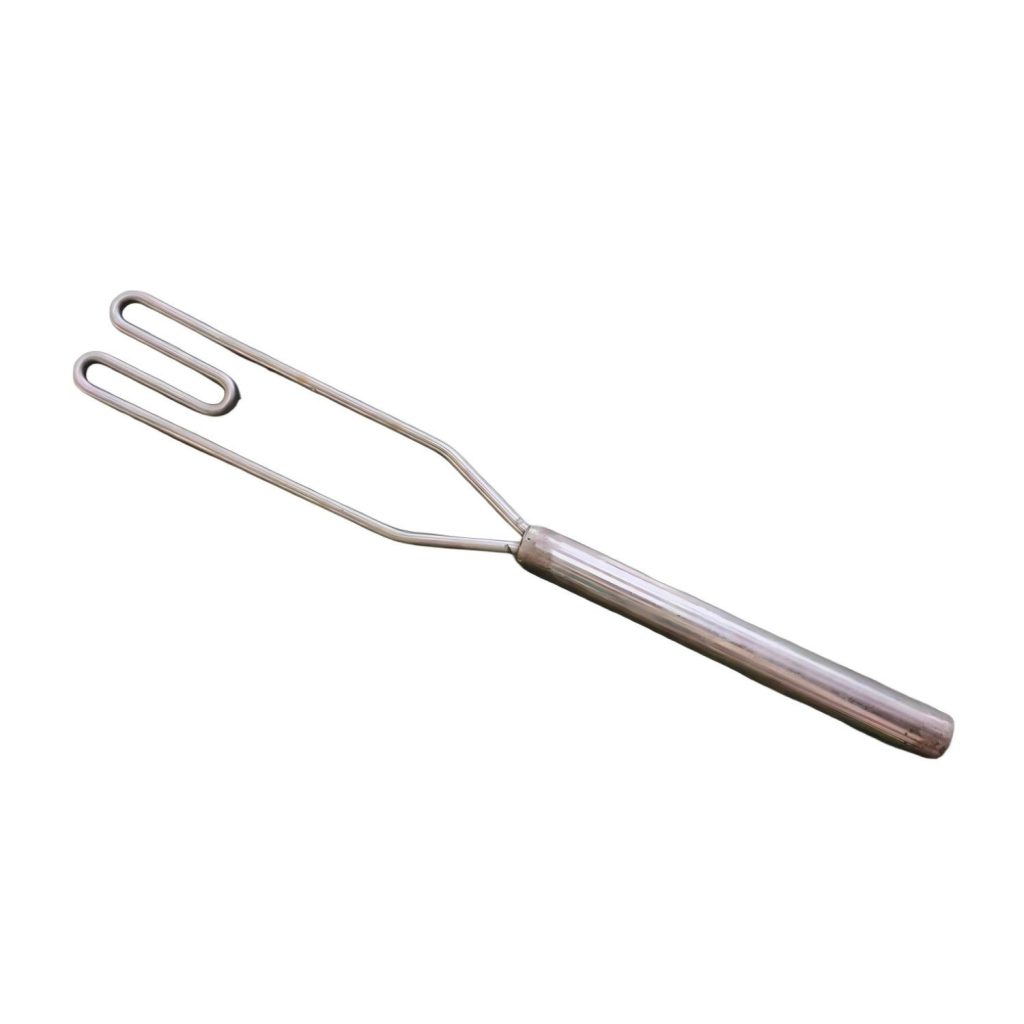 SLAUGHTER ACCESSORIES
Poultry Viscera Evisceration Spoon
The poultry viscera evisceration spoon is a specialized auxiliary tool for poultry slaughter lines, designed for the efficient and clean removal of…
View product →
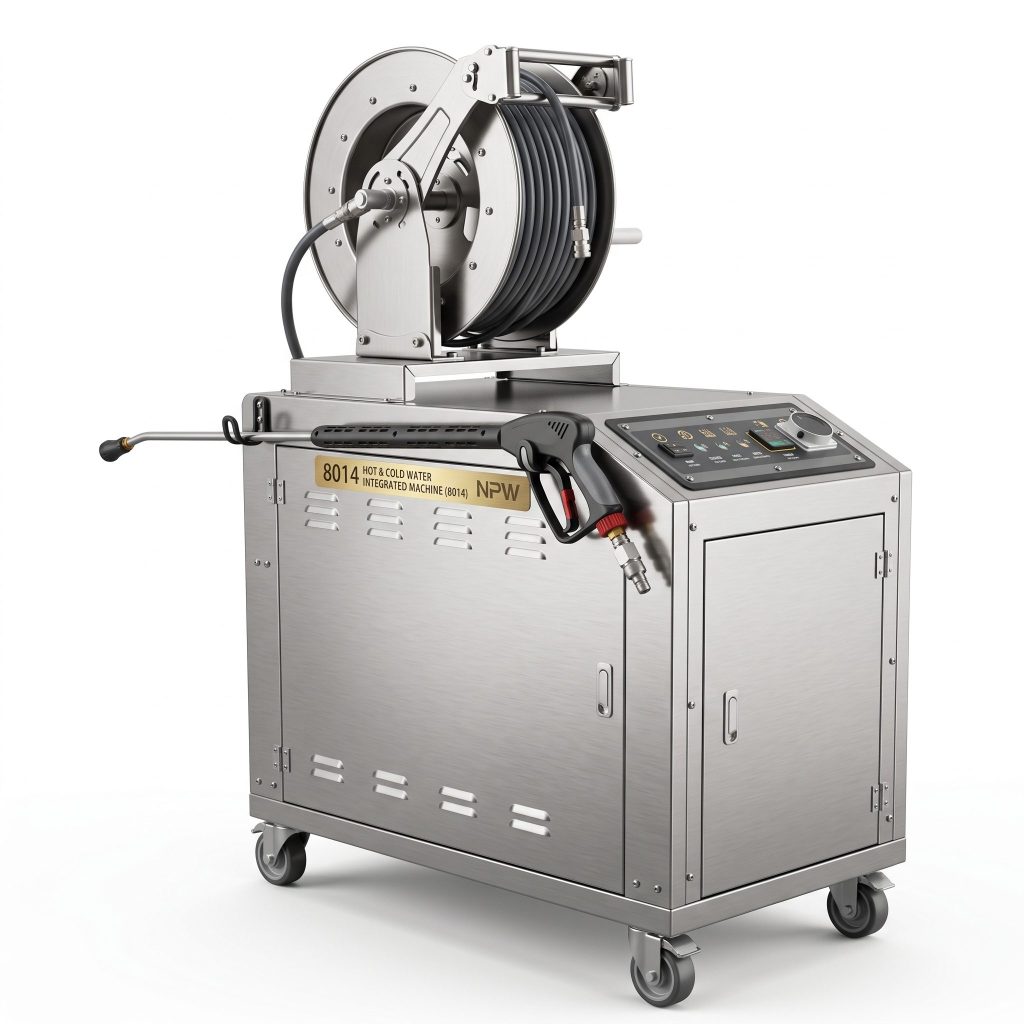 FOOD INDUSTRY CLEANING SYSTEM
8014 HOT & COLD WATER INTEGRATED MACHINE (8014)
200Bar stable high pressure effectively cleans stubborn stains. 90℃ hot water instantly dissolves congealed grease. Hot water provides physical…
View product →
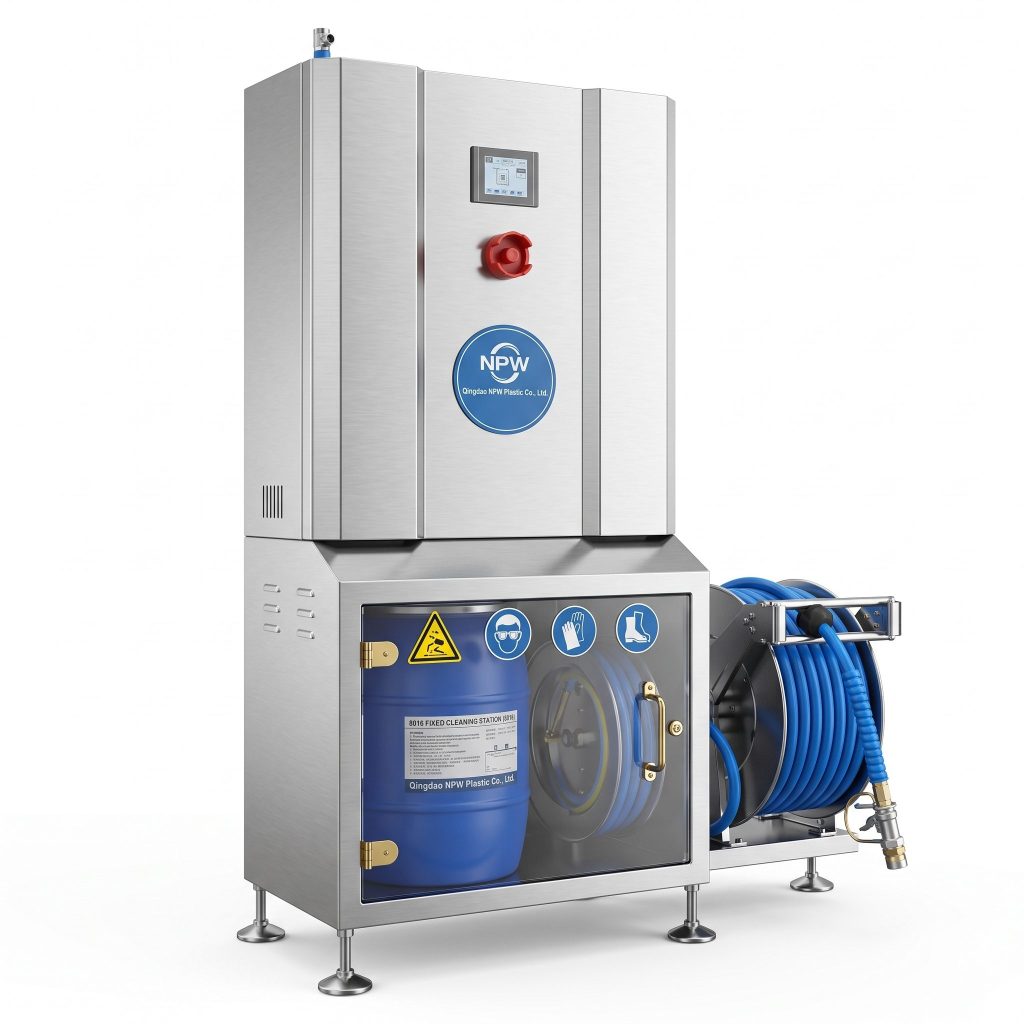 FOOD INDUSTRY CLEANING SYSTEM
8016 FIXED CLEANING STATION (8016)
Fixed installation, integrates into line for continuous cleaning. Stable pressure/flow ensures efficient cleaning. Industrial stainless steel for…
View product →