The inclined hoister is a conveying device used for steep-angle material lifting in poultry slaughtering and processing lines. As defined by the terminology standard for livestock and poultry slaughtering equipment, it refers to a hoister that lifts materials at a certain angle to the horizontal plane (generally greater than 70°). In poultry processing operations, this equipment is primarily responsible for inclined transfer of live poultry cages from ground level to the hanging station, lifting cut raw materials between workstations at different elevations, and conveying by-products to high-level processing equipment. Compared with the 90° vertical hoister, the inclined hoister maintains large-angle lifting capability while ensuring material stability on the carrying surface and smooth loading and unloading.
Structural Types and Working Principle
Inclined hoisters are classified by carrying mode into chain-plate, mesh-belt, and scraper types. Chain-plate inclined hoisters drive carrying plates in a circulating motion along inclined tracks via synchronized chains on both sides, with materials ascending on the plates to the discharge point—suitable for transferring regular containers such as poultry cages and turnover boxes. Mesh-belt hoisters use stainless steel mesh belts as the carrying surface, typically with an incline of 70°–80°, suitable for cut poultry parts requiring drainage. Scraper hoisters push materials through inclined troughs via scrapers, suitable for bulk materials such as viscera and feathers. Drive units typically employ frequency-controlled motors, reducers, and brakes to ensure smooth operation and accurate stopping. Material-contact carrying components and frames are generally made of 304 stainless steel to withstand the high-humidity, washdown-intensive environment of slaughterhouses.
Typical Applications in Poultry Slaughtering
In poultry slaughtering operations, inclined hoisters appear at the following stages: the live poultry receiving area, for inclined lifting of stacked poultry cages from ground level to the hanging station elevation, with the inclined path facilitating smooth cage transition and manual handling; the cutting and trimming section, for elevating cut raw materials from lower workstations to overhead conveying lines or deboning equipment feed inlets, with the incline angle set to balance material retention and smooth feeding; and by-product handling, where viscera or feathers can be inclined-lifted to elevated temporary storage bins or dewatering equipment inlets. Compared with vertical hoisters, inclined hoisters provide smoother loading and unloading transitions and impose lower positioning accuracy requirements on containers such as poultry cages and turnover boxes, making them suitable for direct connection with upstream and downstream horizontal conveying lines.
Selection and Hygienic Design Considerations
When procuring an inclined hoister, confirm that carrying components and material-contact surfaces are made of food-grade stainless steel, and that chains or drive components are fitted with guards to prevent washdown water from directly hitting drive mechanisms. Anti-reverse devices and upper/lower limit protection should be installed to prevent carrying components from sliding down during a loaded stop. Lifting angle and throughput capacity should be determined by line layout and rhythm. Power ratings for typical poultry cage inclined hoisting equipment in slaughterhouses generally range from 3 to 11 kW, depending on load, lifting height, and incline angle. For live poultry area cage hoisters, anti-slip design and impact resistance of the carrying plates are key considerations; for cut material hoisters, surface smoothness, drainage structure, and cleaning accessibility should be prioritized. Equipment should comply with the general safety and hygiene requirements for conveying equipment specified in GB/T 42121-2022 Livestock and poultry slaughtering and processing equipment—Conveyor equipment for poultry slaughtering and processing. Routine maintenance should focus on drive chain tension checks, carrying component wear assessment, brake and anti-reverse device function verification, and removal of residue from frames and tracks, with flushing and sanitizing performed after each shift.
Solutions related to this article
 CleaningFood Industry Cleaning Equipment SolutionsFoam, CIP and washdown systems for food-contact surfaces and drains.View solution →
 PoultryComplete Poultry Slaughter Line SolutionsHanging, scalding, plucking, evisceration and chilling on one continuous line.View solution →
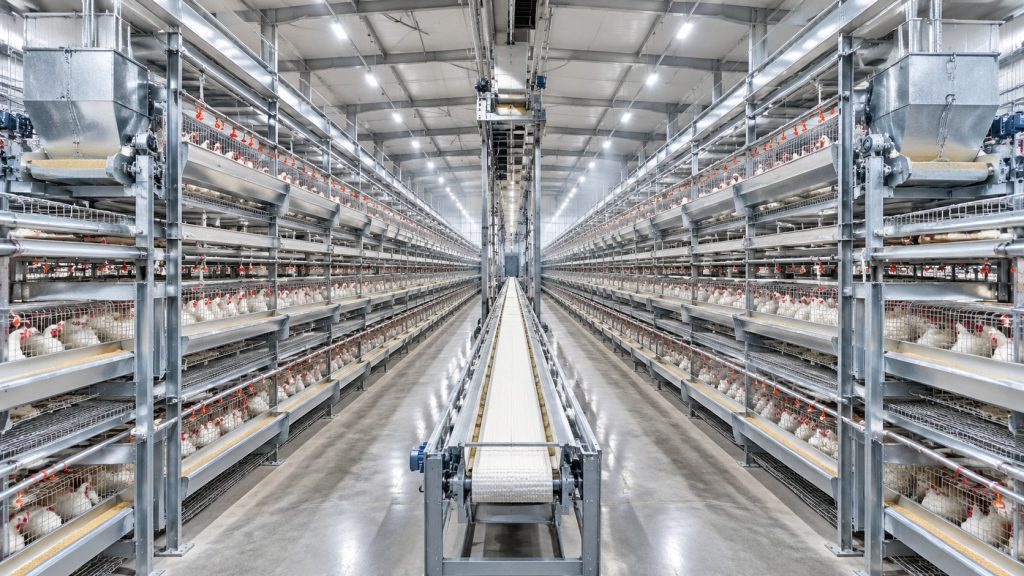 FarmingPoultry & Livestock Equipment SolutionBroiler and layer houses with feeding, drinking, climate and manure systems.View solution →
Products related to this article
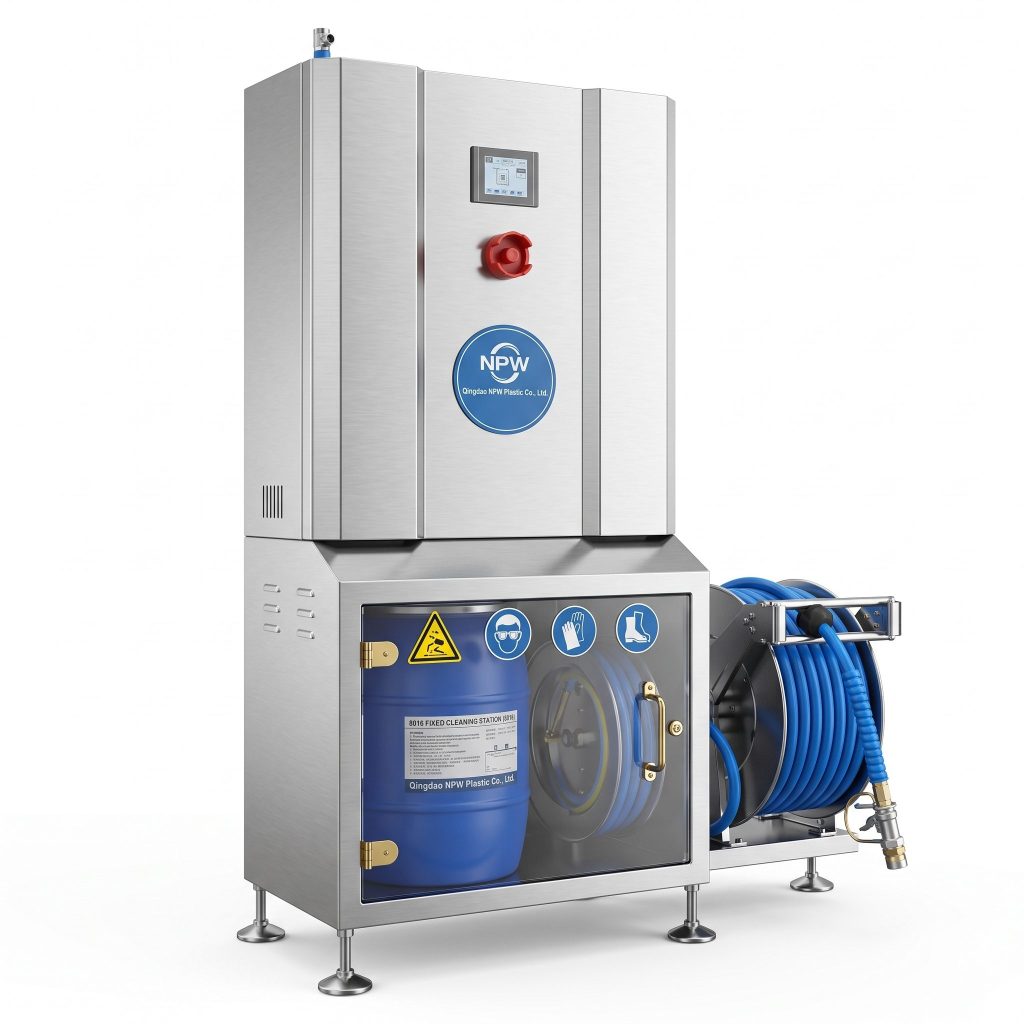 FOOD INDUSTRY CLEANING SYSTEM
8016 FIXED CLEANING STATION (8016)
Fixed installation, integrates into line for continuous cleaning. Stable pressure/flow ensures efficient cleaning. Industrial stainless steel for…
View product →
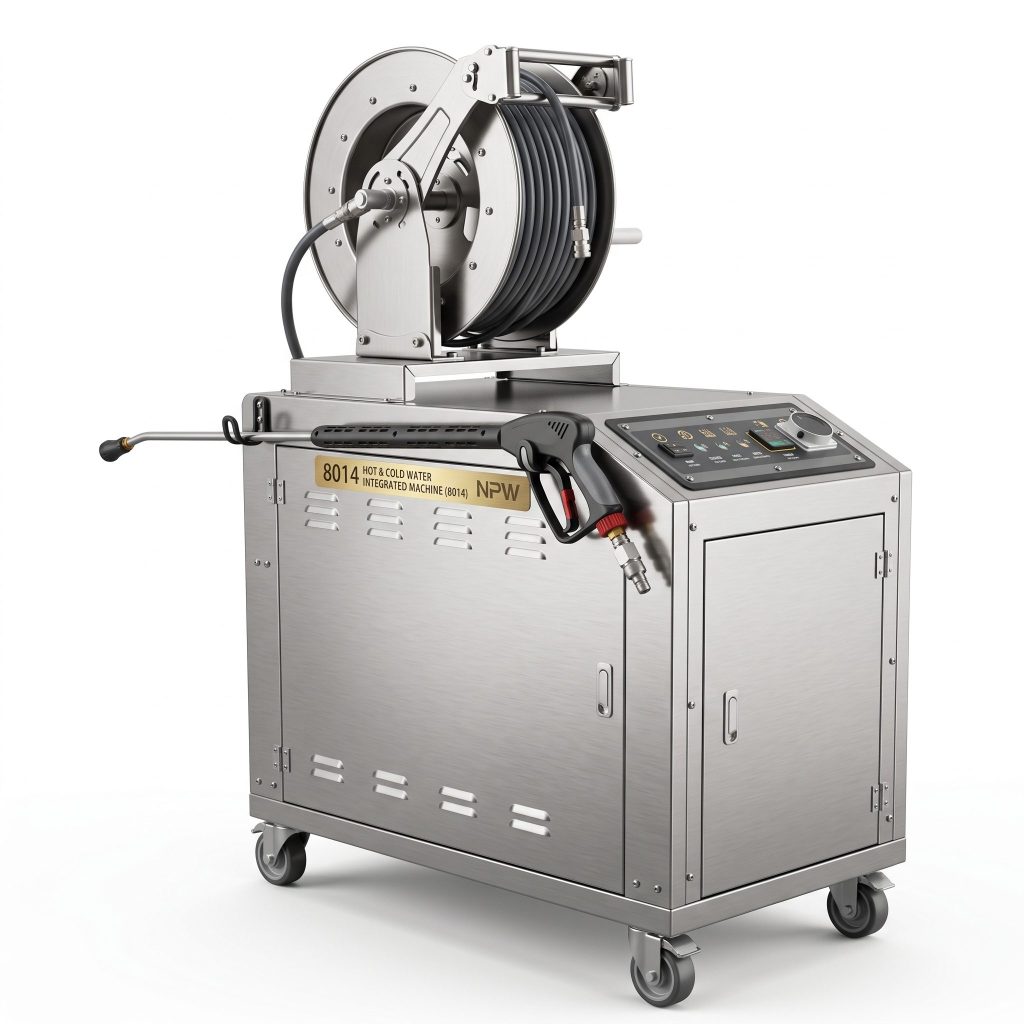 FOOD INDUSTRY CLEANING SYSTEM
8014 HOT & COLD WATER INTEGRATED MACHINE (8014)
200Bar stable high pressure effectively cleans stubborn stains. 90℃ hot water instantly dissolves congealed grease. Hot water provides physical…
View product →
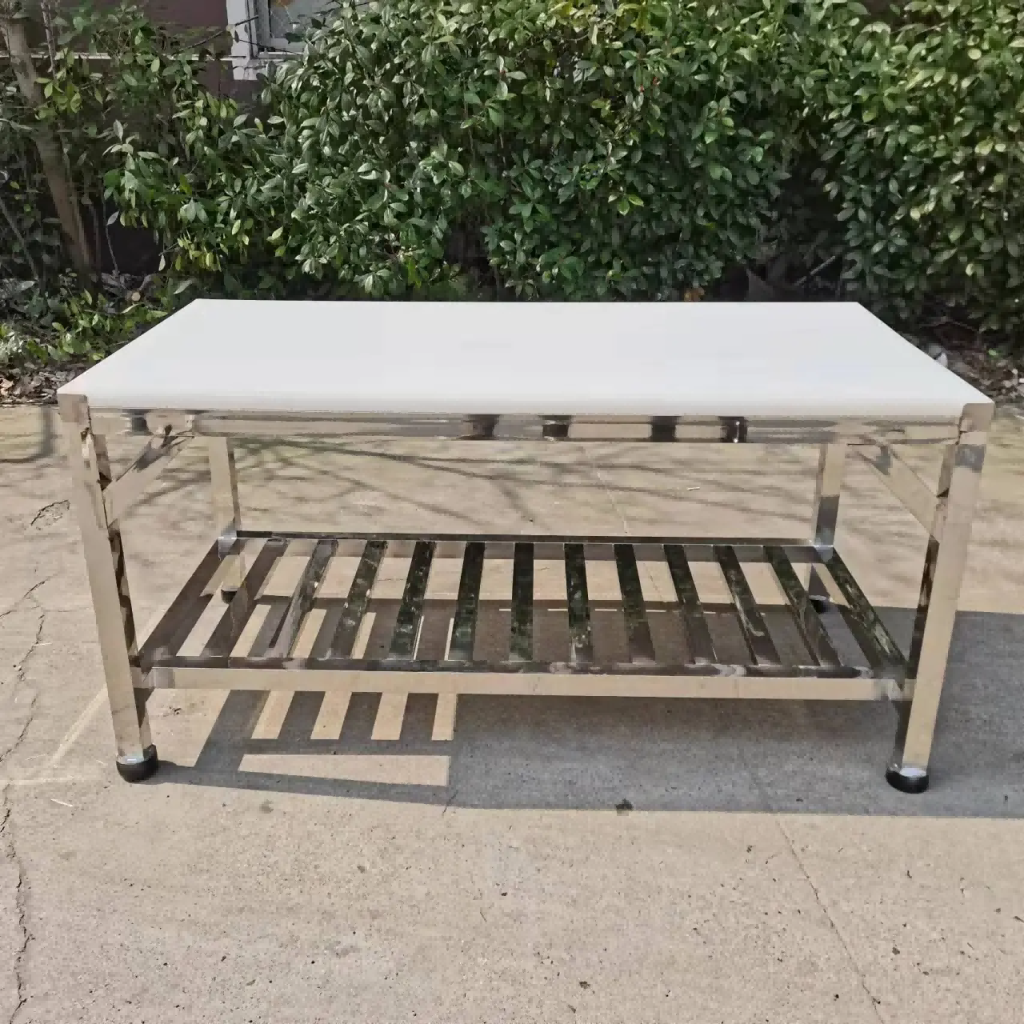 POULTRY SLAUGHTER EQUIPMENT
Stainless Steel Deboning and Cutting Table
A heavy-duty, ergonomic workstation designed for precision manual deboning and portioning, featuring a high-density food-grade cutting surface and a…
View product →
 POULTRY SLAUGHTER EQUIPMENT
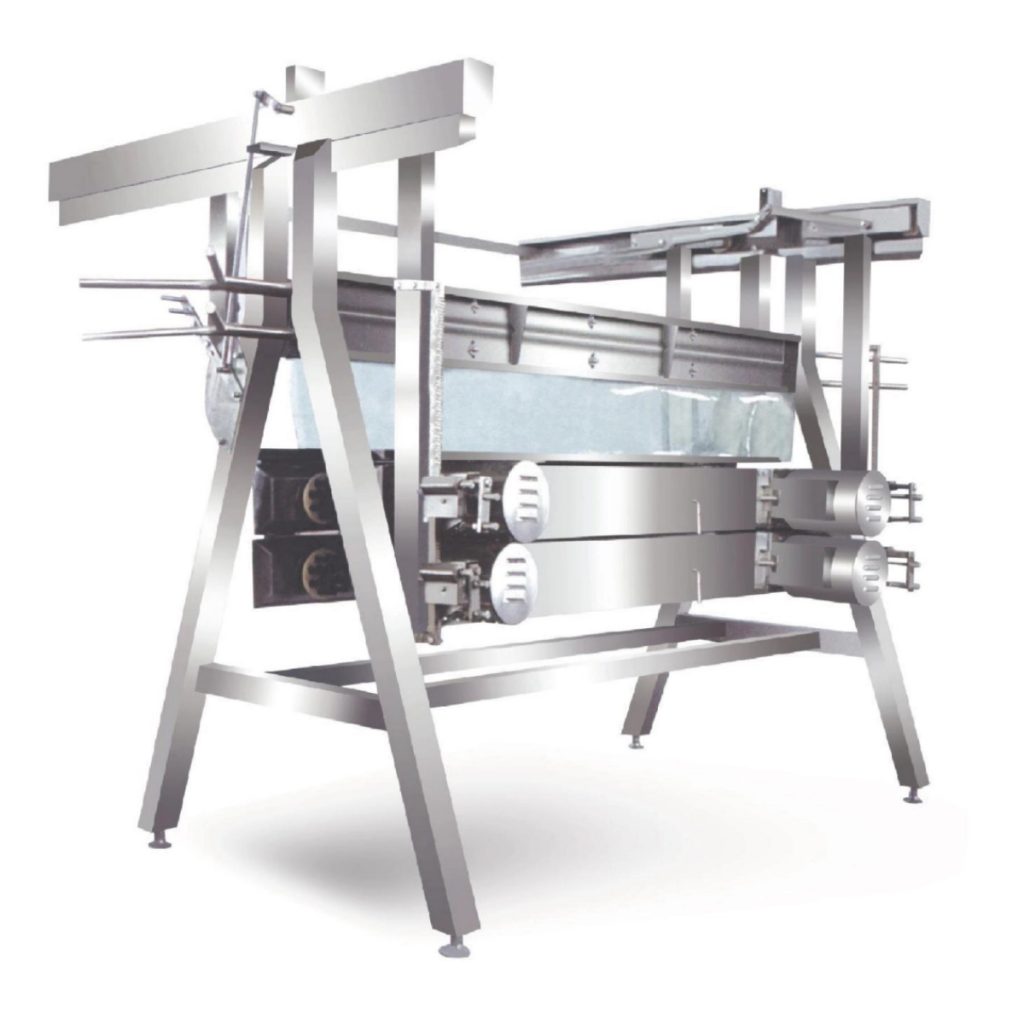
A FRAME VERTICAL POULTRY ROUGH FEATHER REMOVAL MACHINE
All body is made of stainless steel. Adopted A-frame bracket; the body of this machine can be opened for easy maintenance. The angle and direction of…
View product →
 LIVESTOCK BREEDING EQUIPMENT
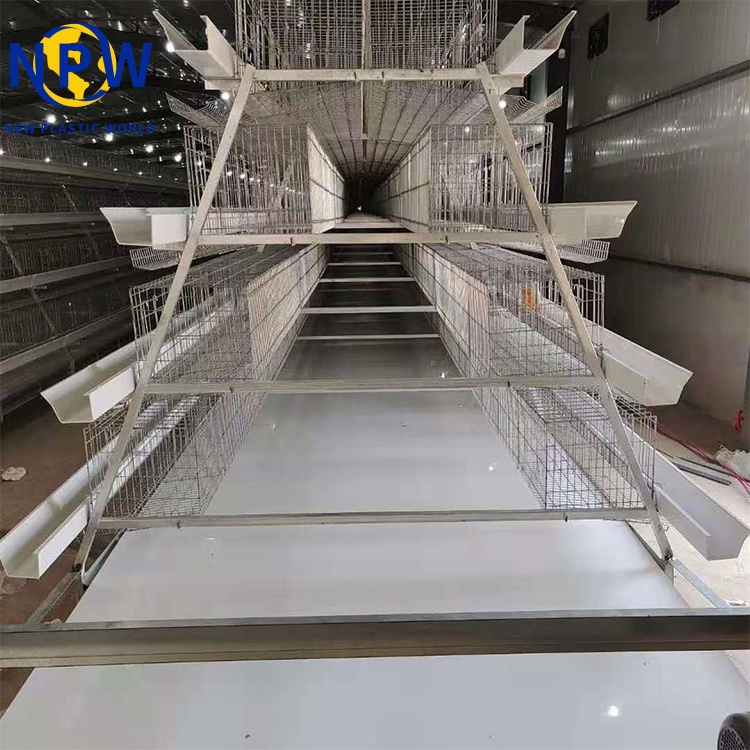
A-Type Manual Chicken Cage
Product Name: A Type Manual Chicken Cage Applicable Industries: Poultry Farms Use: Chicken Material:Hot Dip Galvanized Steel Tiers:3-4 Tiers…
View product →
 Feeding Trough Series
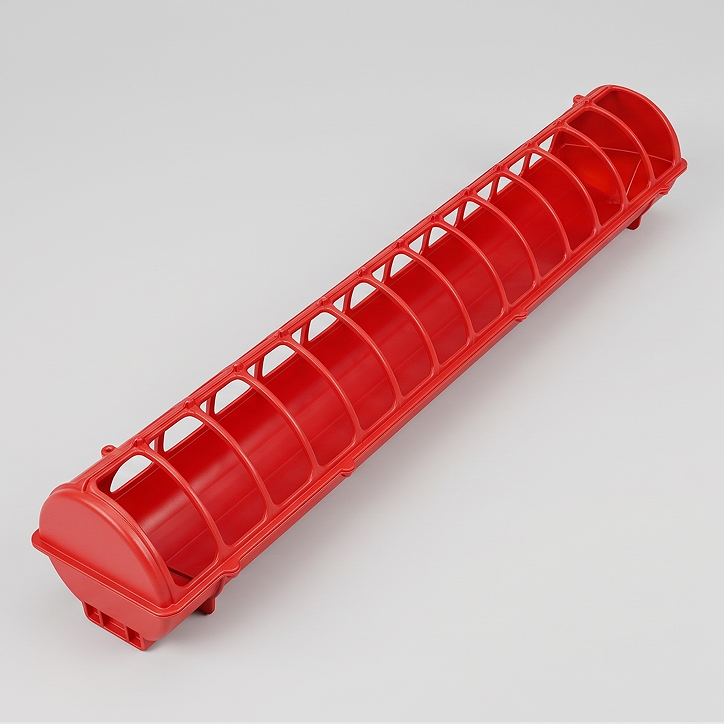
USE LONG FEEDING TROUGHS FOR CHICKENS, DUCKS AND GEESE-95CM*16.5CM
95cm*16.5cm 915g
View product →