Introduction
In the poultry processing industry, efficiency and hygiene are paramount. While many modern slaughter lines have embraced automation, some facilities still rely on manual de-feathering for ducks. This article explores the traditional manual de-feathering process in duck slaughter lines and highlights how NPW’s advanced automated solutions can significantly improve productivity and product quality.
The Manual De-Feathering Process
Manual de-feathering involves workers plucking feathers by hand after the duck has been scalded. This method is labor-intensive, time-consuming, and often leads to inconsistent results. It requires a skilled workforce and can be a bottleneck in the production line. Moreover, manual handling increases the risk of contamination and does not meet the high hygiene standards required for food safety.
Challenges of Manual De-Feathering
- Labor Intensity: High demand for skilled labor, leading to increased costs and potential shortages.
- Inconsistency: Human error can result in incomplete feather removal, affecting product appearance and quality.
- Hygiene Risks: Manual contact can introduce bacteria, compromising food safety.
- Low Throughput: Manual processes are slow and cannot keep up with high-volume production demands.
NPW’s Automated De-Feathering Solution
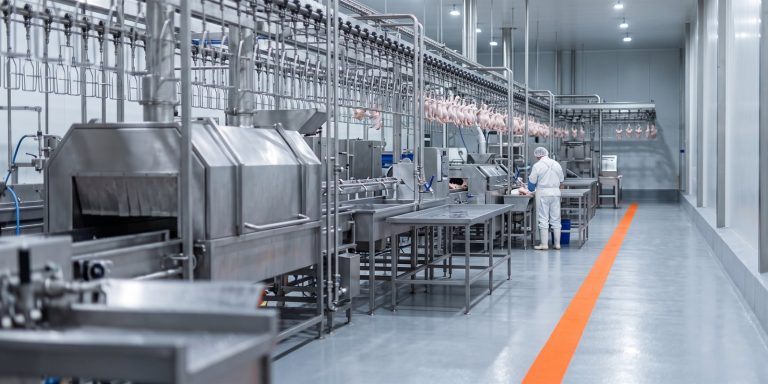
NPW offers state-of-the-art automated de-feathering machines that are designed to handle ducks with precision and care. Our machines use advanced rubber fingers and precise control systems to remove feathers efficiently without damaging the skin. Integrated into a complete slaughter line, NPW’s de-feathering solutions ensure high throughput, consistent quality, and superior hygiene. For facilities that also process other poultry, the same line can be paired with a chicken scalder and a chicken slaughter machine, while durable dehairing rubber fingers and reliable carcass hooks keep every stage running smoothly.
Investing in automation is not just about speed; it’s about ensuring food safety and meeting the growing demand for poultry products.
Benefits of Automated De-Feathering
- Increased Efficiency: Automated lines can process thousands of ducks per hour, significantly boosting productivity.
- Consistent Quality: Machine de-feathering ensures uniform results, enhancing the visual appeal of the final product.
- Improved Hygiene: Stainless steel construction and automated operation reduce human contact, minimizing contamination risks.
- Cost Savings: Reduced labor costs and higher yield contribute to a better bottom line.
Conclusion
While manual de-feathering may still be seen in some traditional setups, it is clear that automation is the future of poultry processing. NPW is committed to providing cutting-edge solutions that help processors achieve higher efficiency, better quality, and superior food safety. Contact us today to learn how our automated de-feathering systems can transform your duck slaughter line.
Solutions related to this article
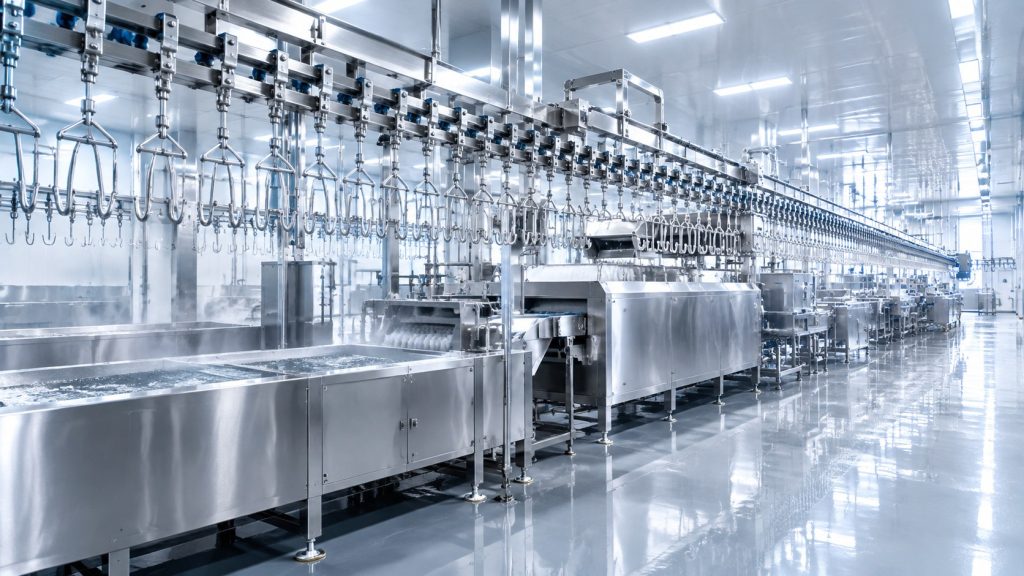 PoultryComplete Poultry Slaughter Line SolutionsHanging, scalding, plucking, evisceration and chilling on one continuous line.View solution →
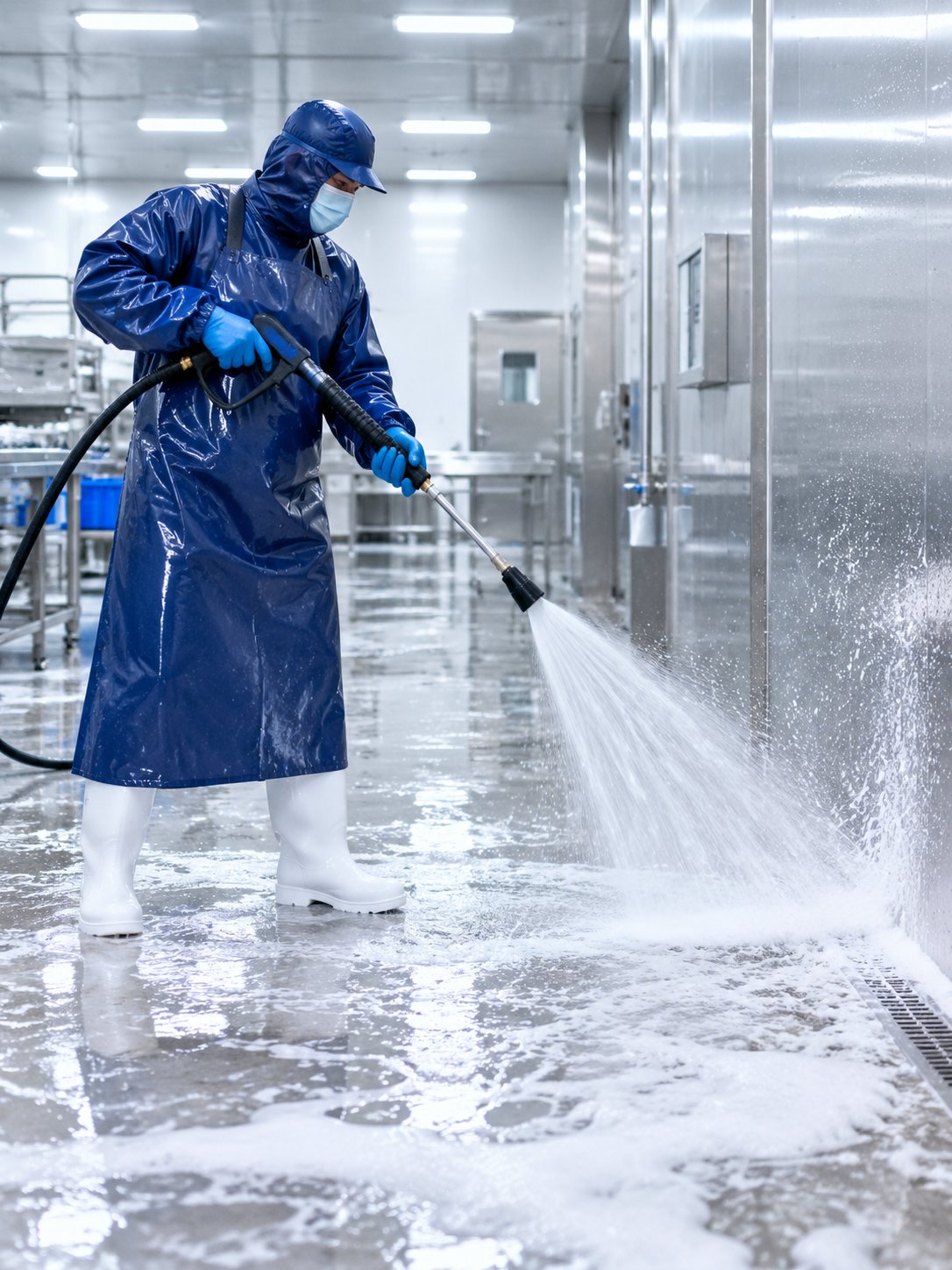 CleaningFood Industry Cleaning Equipment SolutionsFoam, CIP and washdown systems for food-contact surfaces and drains.View solution →
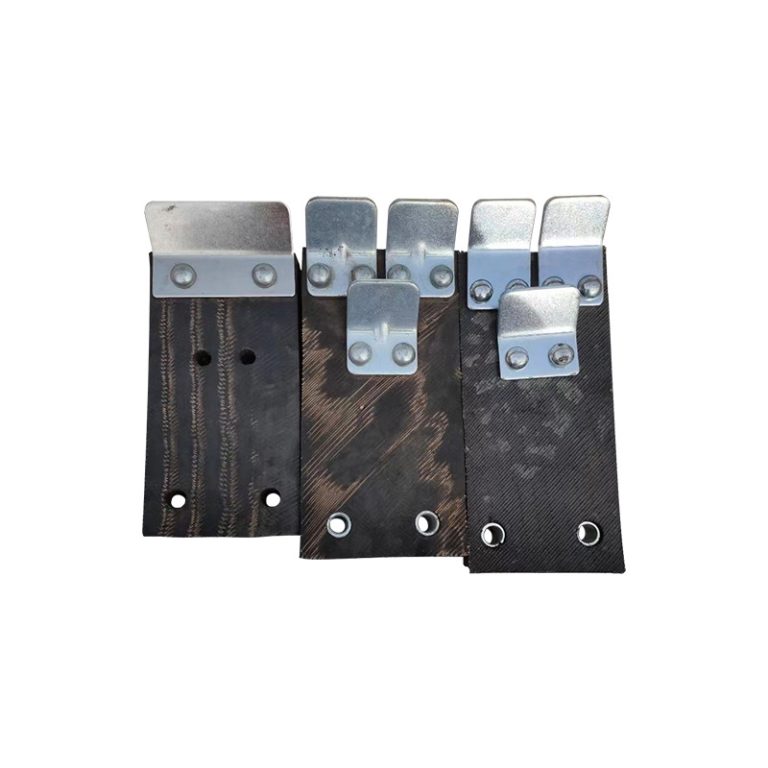 AccessoriesSlaughter Accessories SolutionsHooks, shackles, saw blades, rubber fingers and trolleys that wear out first.View solution →
Products related to this article
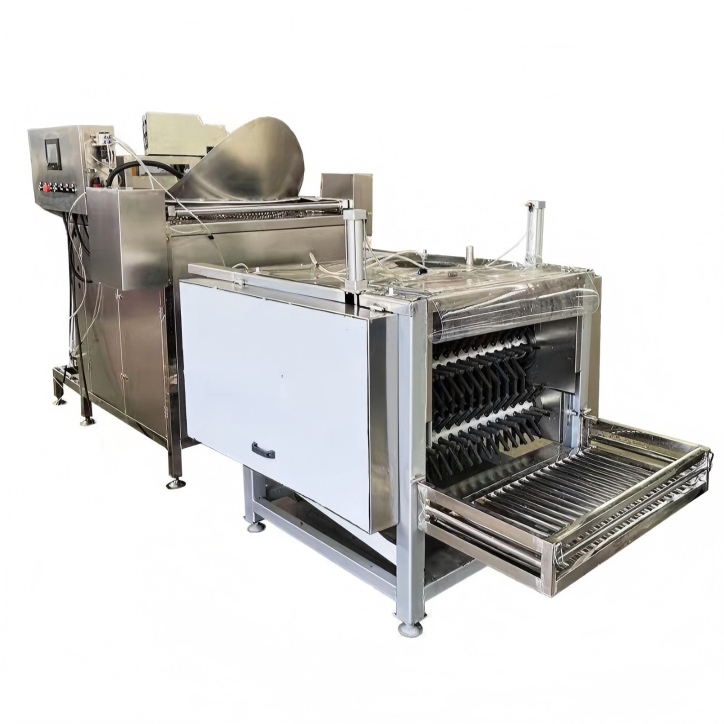 SCALDING AND PLUCKING MACHINE
NPW Automatic Poultry Processing Line: Bleeding, Scalding & Plucking System
Upgrade your slaughterhouse efficiency with NPW Equipment's fully automatic poultry processing line. This integrated system combines a…
View product →
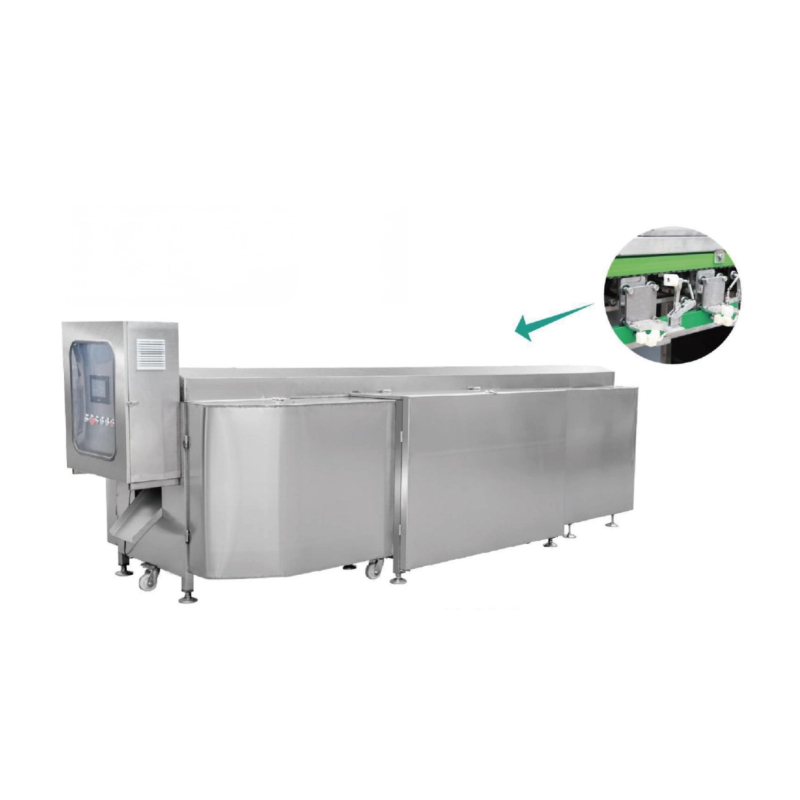 POULTRY SLAUGHTER EQUIPMENT
Duck Gland Stomach Processing Machine
This equipment is designed for processing duck gizzards that have been de-feathered. It integrates multiple functions, including degreasing the…
View product →
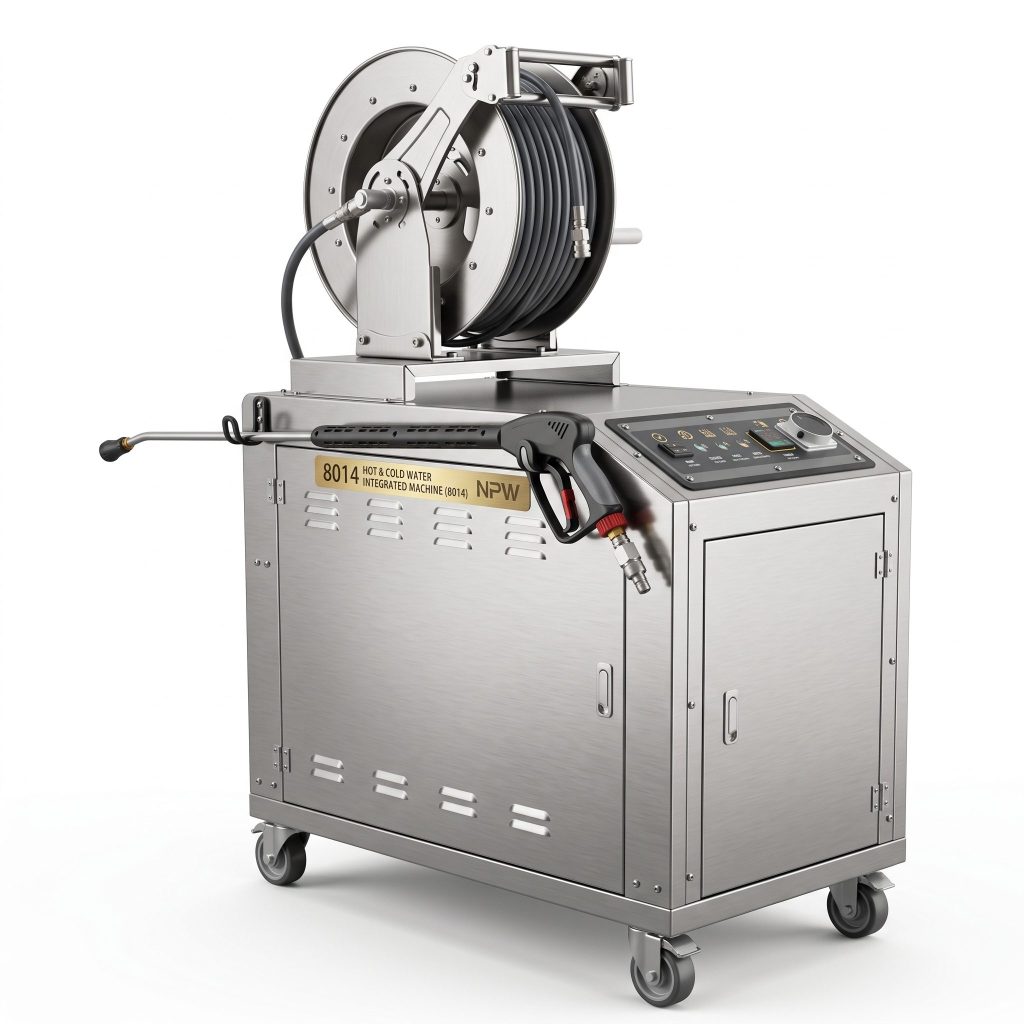 FOOD INDUSTRY CLEANING SYSTEM
8014 HOT & COLD WATER INTEGRATED MACHINE (8014)
200Bar stable high pressure effectively cleans stubborn stains. 90℃ hot water instantly dissolves congealed grease. Hot water provides physical…
View product →
 FOOD INDUSTRY CLEANING SYSTEM
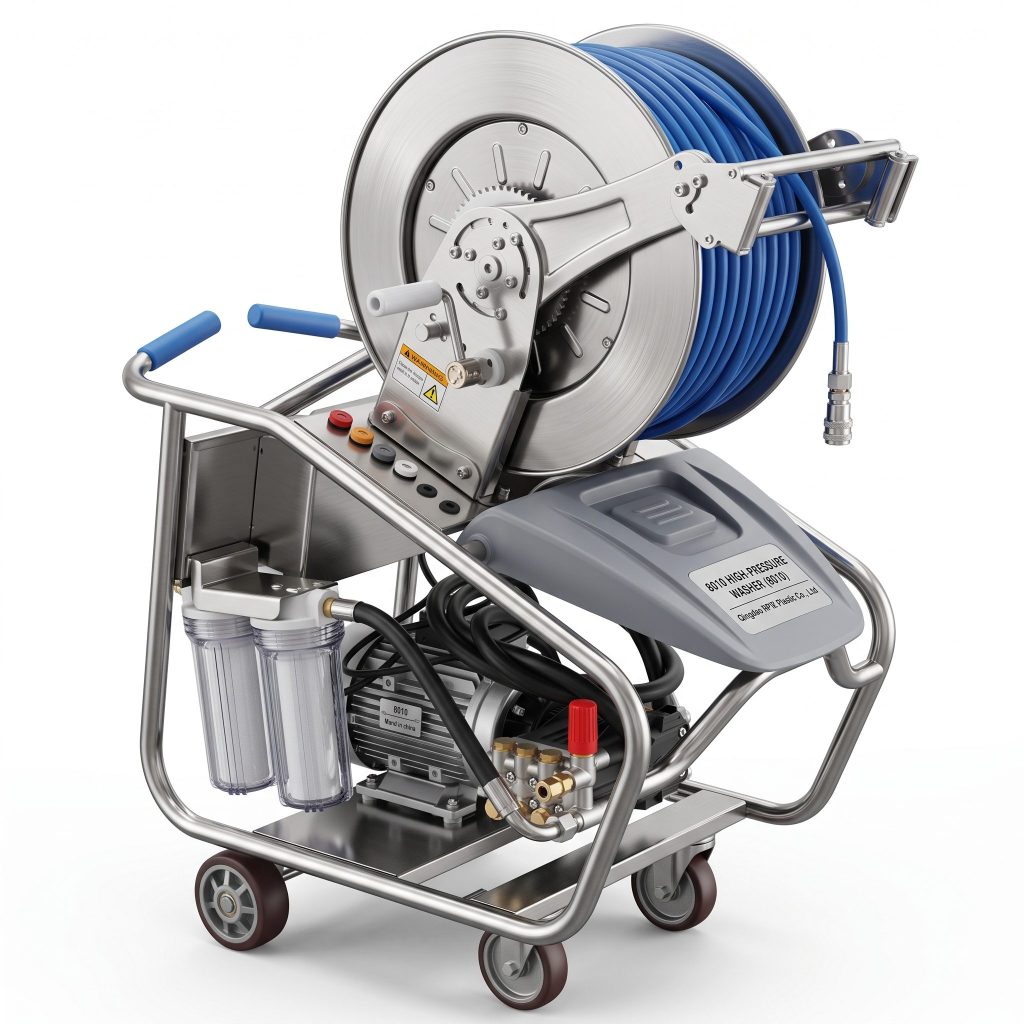
8010 HIGH-PRESSURE WASHER (8010)
150kg high-pressure washer/disinfector for food plant grease. Optimized pressure/flow for effective rinse. Simple, stable, reliable, low maintenance.…
View product →
 SLAUGHTER ACCESSORIES
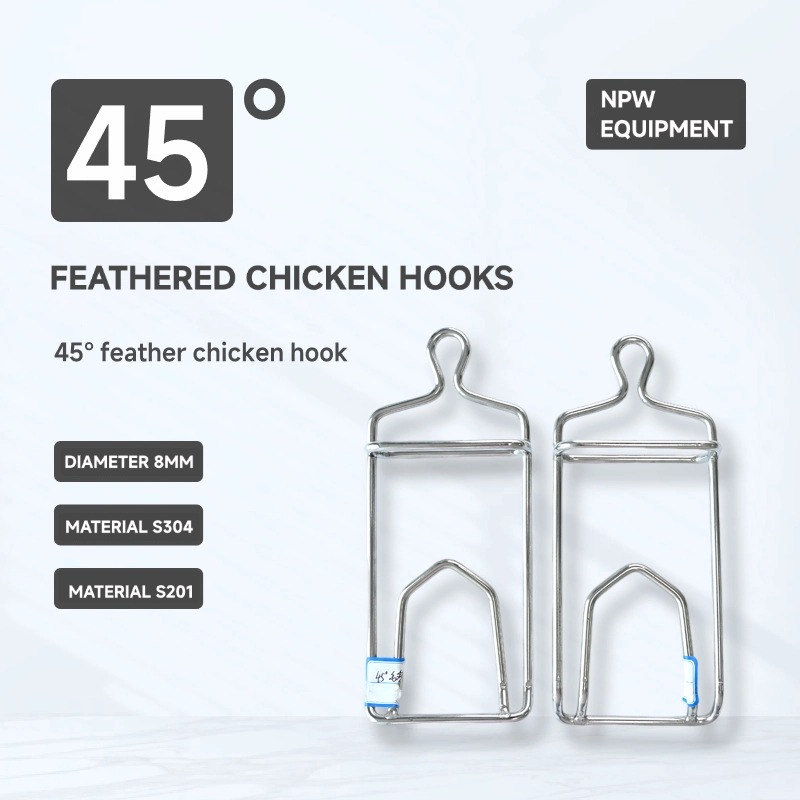
STAINLESS STEEL HOOKING AND SLAUGHTERING HOOKS
This series of hooks is specially designed for modern poultry slaughtering lines, serving as a key basic component that connects the conveying chain…
View product →
 SLAUGHTER ACCESSORIES
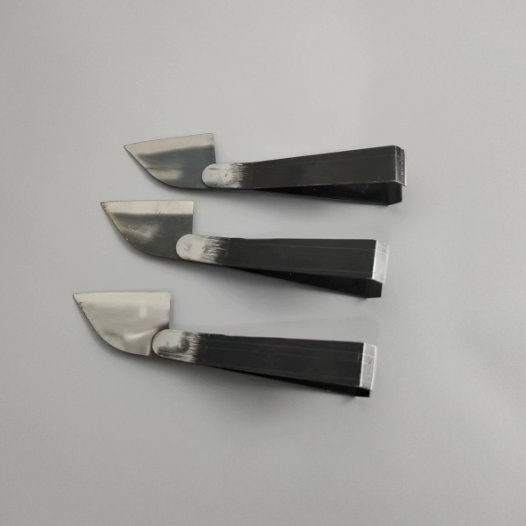
Manganese Steel Pig Dehairing Pliers
Manganese steel pig dehairing pliers are precision hand tools specially designed for the pig slaughtering and meat processing industry, suitable for…
View product →