The Backbone of Poultry Processing: Live Hanging Workers
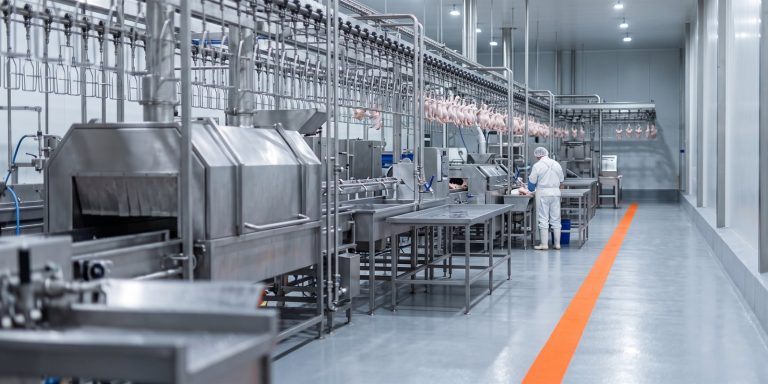
In a modern broiler chicken slaughterhouse, the live hanging line is where the entire processing journey begins. Workers at this station are responsible for hanging live birds onto the overhead conveyor, a task that demands precision, speed, and a deep understanding of animal welfare. Their performance sets the tone for the rest of the line, impacting everything from product quality to operational efficiency, and it feeds directly into the performance of the chicken slaughter machine downstream.
Daily Workflow and Responsibilities
Each worker on the hanging line performs a series of coordinated actions:
- Receiving and Unloading: Birds arrive in crates or modules; workers ensure a steady supply to the hanging area.
- Hanging Technique: Workers pick up each bird by the legs and hang it in the shackle, ensuring proper positioning for stunning and bleeding, with each bird seated firmly on the carcass hooks.
- Monitoring Bird Condition: They visually inspect birds for signs of distress or injury, immediately reporting any issues to supervisors.
- Maintaining Line Speed: The line moves at a constant pace, and workers must keep up to avoid bottlenecks and ensure a smooth flow.
This role is both physically demanding and mentally taxing, requiring constant attention and quick reflexes.
Training and Skill Requirements
Proper training is essential for live hanging workers. NPW emphasizes comprehensive training programs that cover:
- Animal Welfare Protocols: Workers learn gentle handling techniques to minimize stress and injury to the birds.
- Safety Procedures: Personal protective equipment (PPE) and ergonomic practices are mandatory to prevent workplace injuries, including cut resistant gloves for handling tasks and chainmail gloves for workers near the knife stations.
- Hygiene Standards: Workers must follow strict hygiene protocols to prevent cross-contamination.
Skilled workers can hang birds efficiently while maintaining the highest welfare standards, directly contributing to better meat quality.
Impact on Product Quality and Efficiency
The hanging process directly affects stunning efficiency, bleed-out, and ultimate meat quality. Improper hanging can lead to bruises, broken bones, and incomplete bleeding, resulting in downgrades and financial losses. NPW’s integrated slaughter lines are designed with worker ergonomics in mind, featuring adjustable heights, anti-fatigue mats, and optimized line speeds to support peak performance.
Integrating Worker Safety with Advanced Equipment
NPW’s poultry processing solutions prioritize worker safety alongside productivity, pairing protective wear such as the chainmail apron with well-designed lines. Our hanging lines incorporate:
- Adjustable Shackle Heights: To accommodate workers of different statures and reduce strain.
- Smooth Conveyor Design: Minimizes jerking motions and reduces fatigue.
- Emergency Stop Systems: Ensuring immediate halt in case of any issue.
By combining skilled labor with NPW’s reliable equipment, processors achieve higher throughput and consistent product quality.
Conclusion
The live hanging workers are the unsung heroes of the poultry processing industry. Their skill and dedication ensure that every bird is handled humanely and processed efficiently. NPW is committed to supporting these workers with equipment that enhances safety and performance, because we believe that superior processing starts with people.
Solutions related to this article
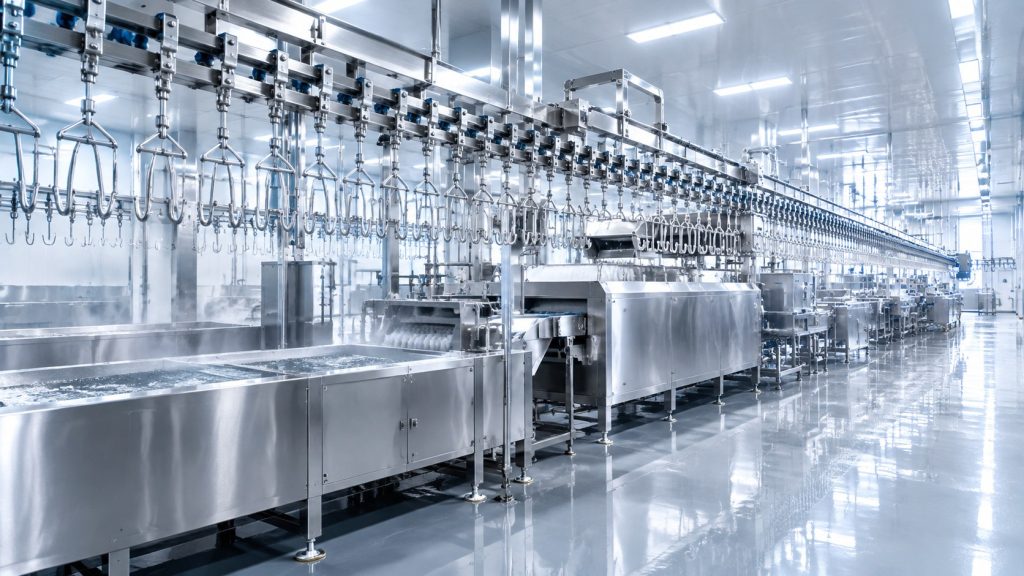 PoultryComplete Poultry Slaughter Line SolutionsHanging, scalding, plucking, evisceration and chilling on one continuous line.View solution →
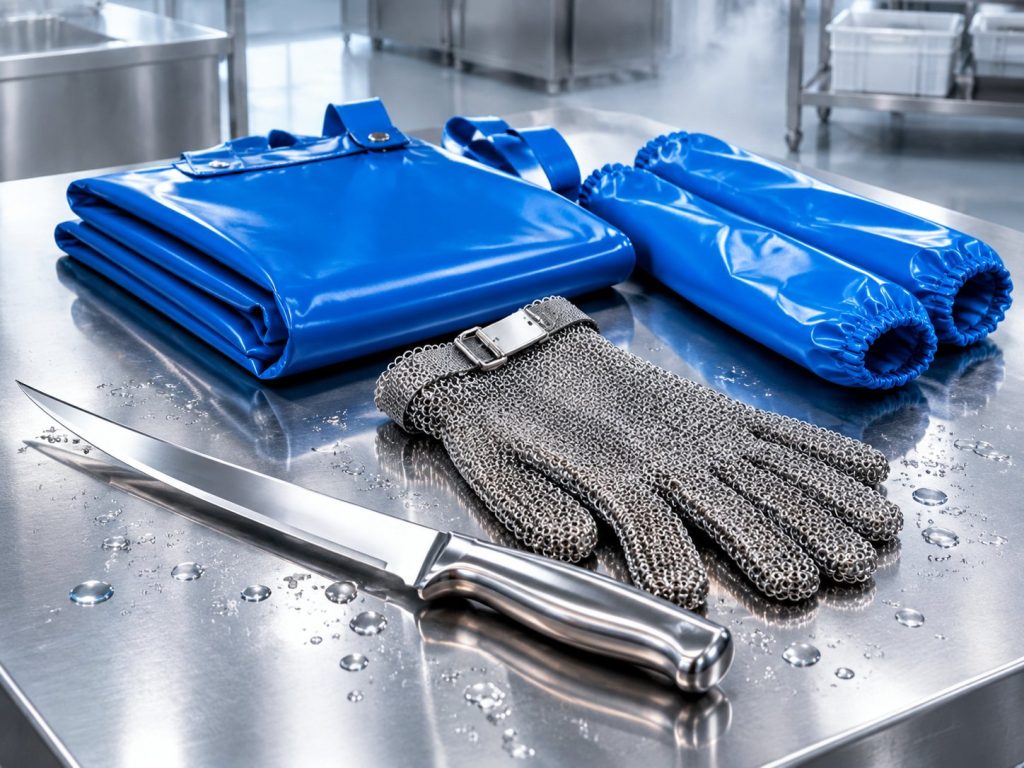 PPE & KnivesProtection, Cutting & Hygiene SolutionsKnives, aprons, gloves and hygiene kit for the kill floor and cutting room.View solution →
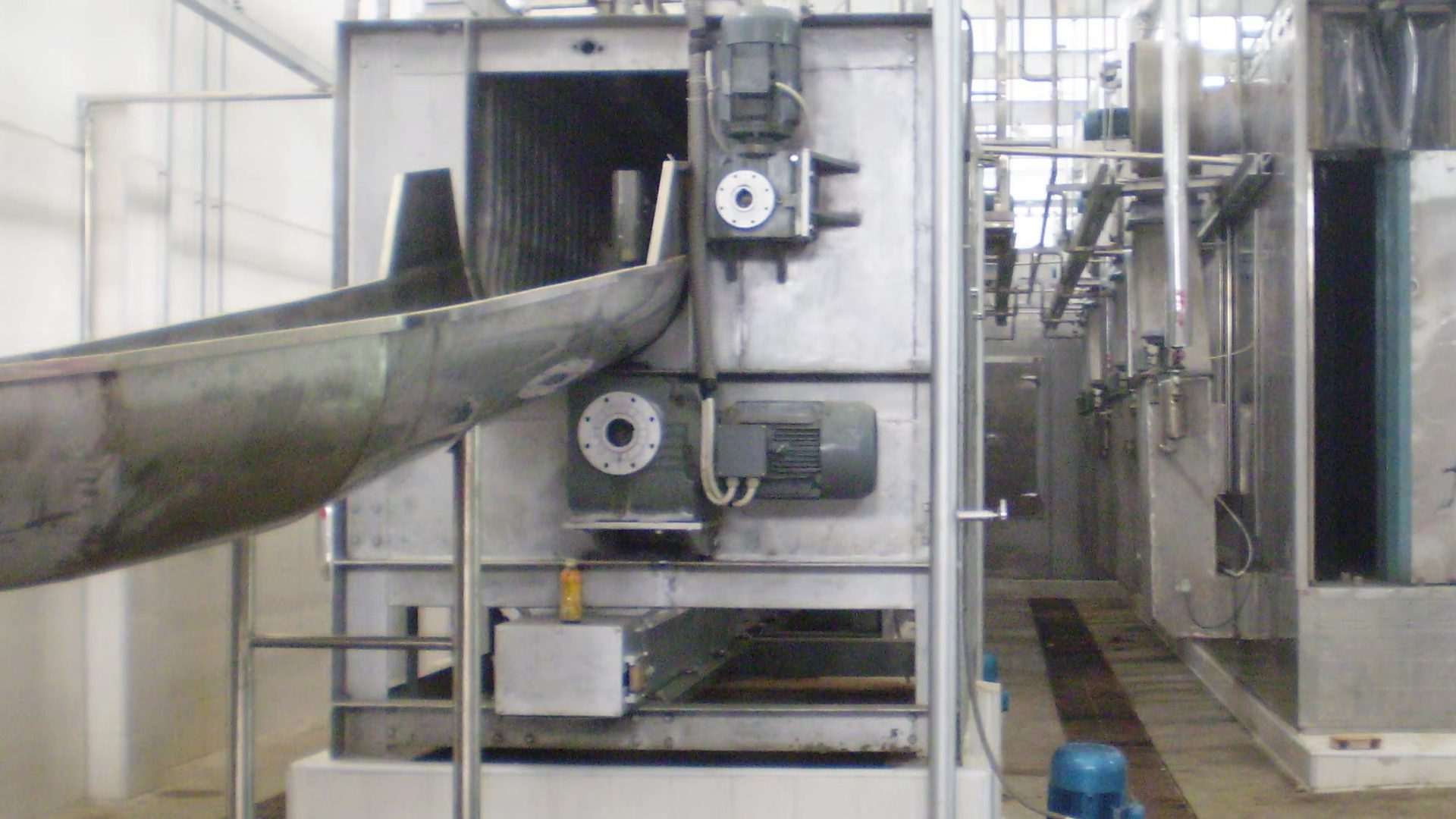 PigComplete Pig Slaughter Line SolutionsStunning, bleeding, scalding, dehairing, splitting and dressing for pig plants.View solution →
Products related to this article
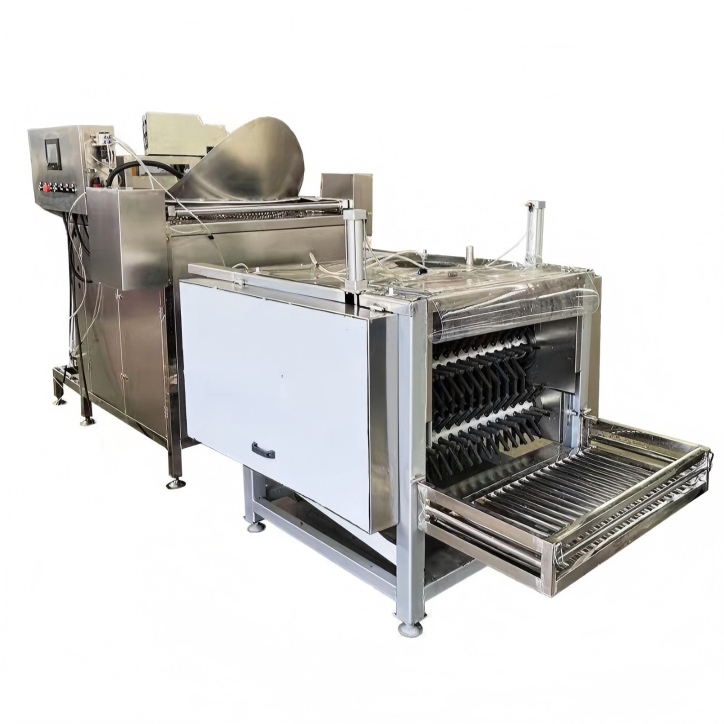 SCALDING AND PLUCKING MACHINE
NPW Automatic Poultry Processing Line: Bleeding, Scalding & Plucking System
Upgrade your slaughterhouse efficiency with NPW Equipment's fully automatic poultry processing line. This integrated system combines a…
View product →
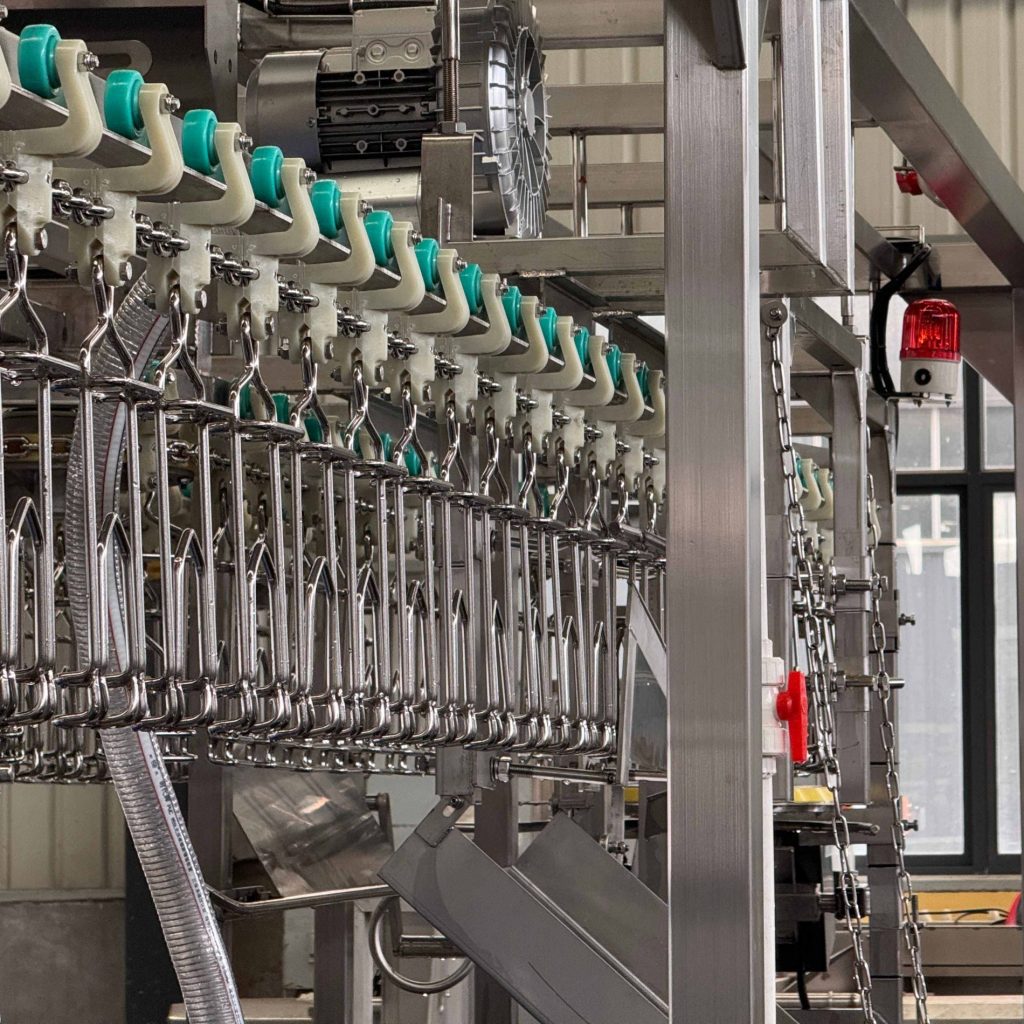 POULTRY SLAUGHTER EQUIPMENT
Overhead Conveyor Line
High-performance automated overhead conveyor system designed for efficient poultry transportation throughout the entire slaughtering and processing…
View product →
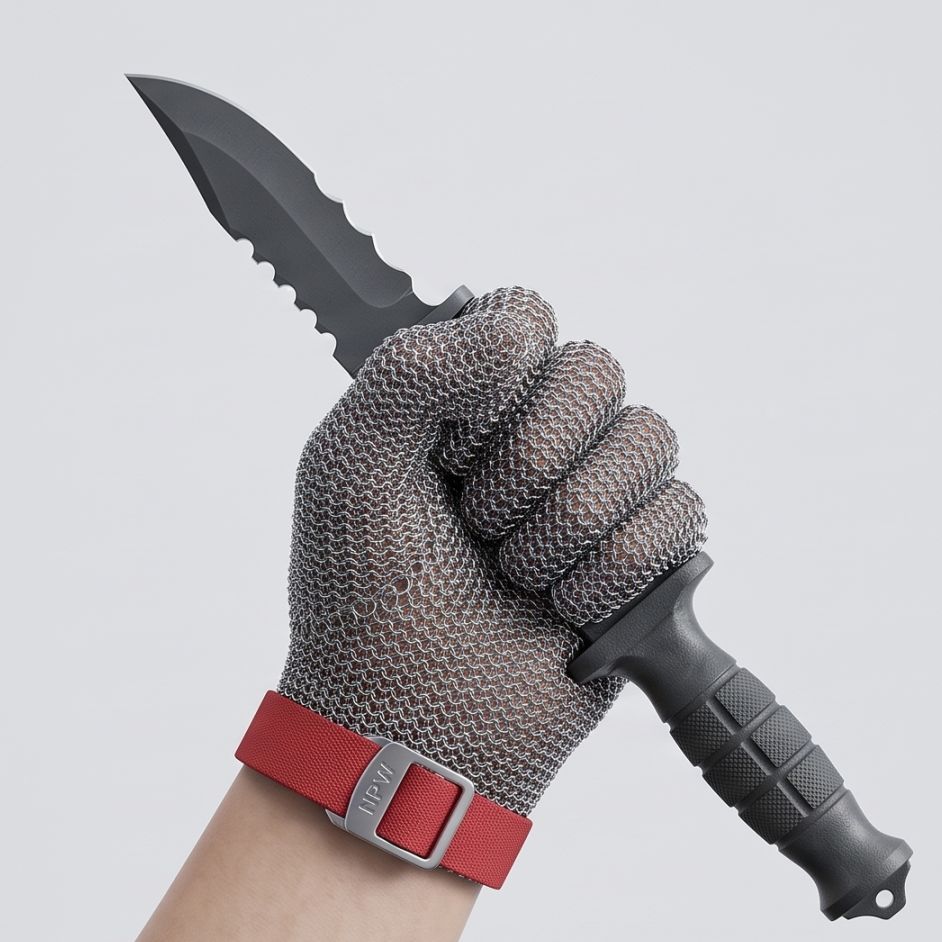 CHAINMAIL BUTCHER GLOVES
NPW 5-FINGER 316L STAINLESS STEEL CHAINMAIL CUT-RESISTANT GLOVE (STANDARD WRIST / NPW-CMG-01)
Ultra-durable medical-grade stainless steel mesh glove providing top-level cut protection for butchery operations.
View product →
 FOOD PROCESSING SAFETY BOOTS
NPW FOOD PROCESSING LOW-CUT SLIP-ON HYGIENE SHOES (PVC & EVA SERIES)
Sanitary low-cut slip-on work shoes engineered with smooth, laceless uppers and oil-resistant outsoles for cleanroom food packaging and processing…
View product →
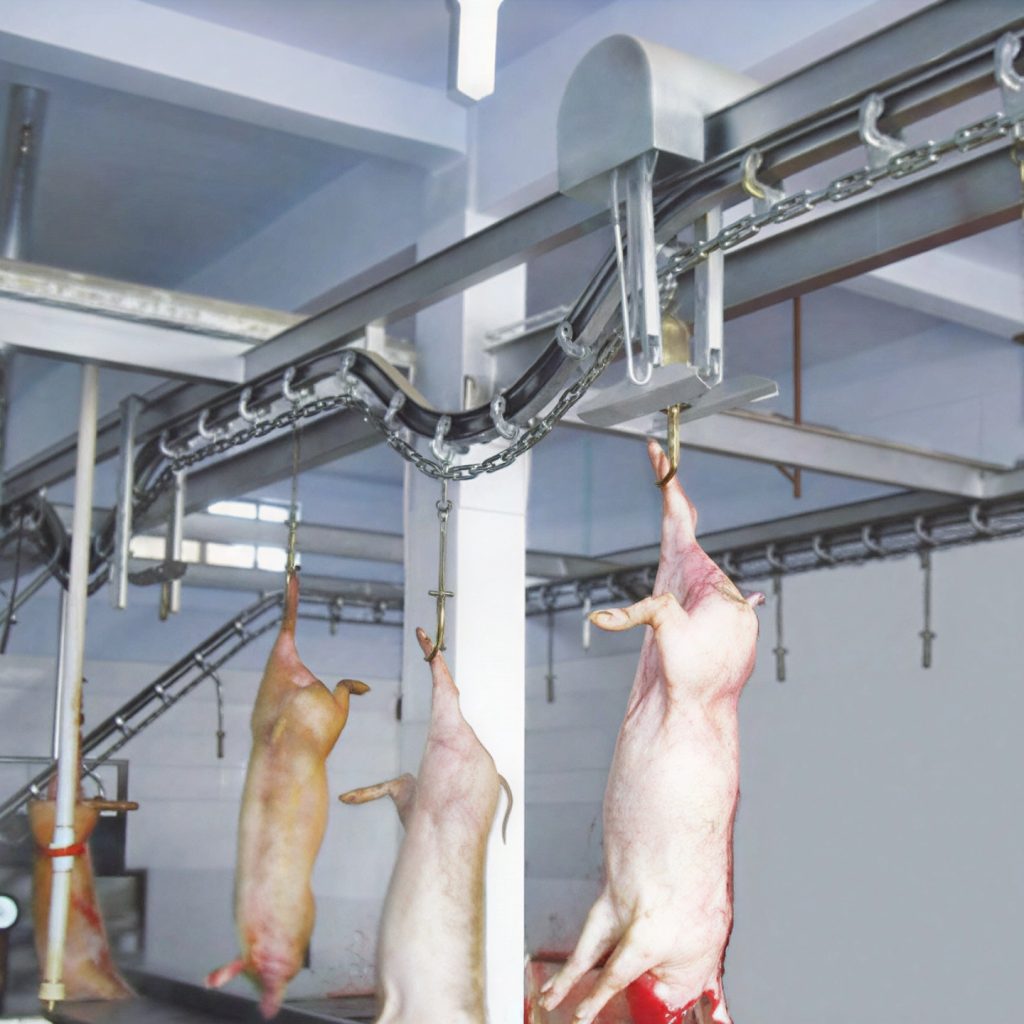 PIG SLAUGHTER EQUIPMENT
Automatic Pig Bleeding Line
NPW's automatic bleeding line ensures continuous, gentle handling of stunned pigs. Features smooth dual-pulley hooks & steady transport to…
View product →
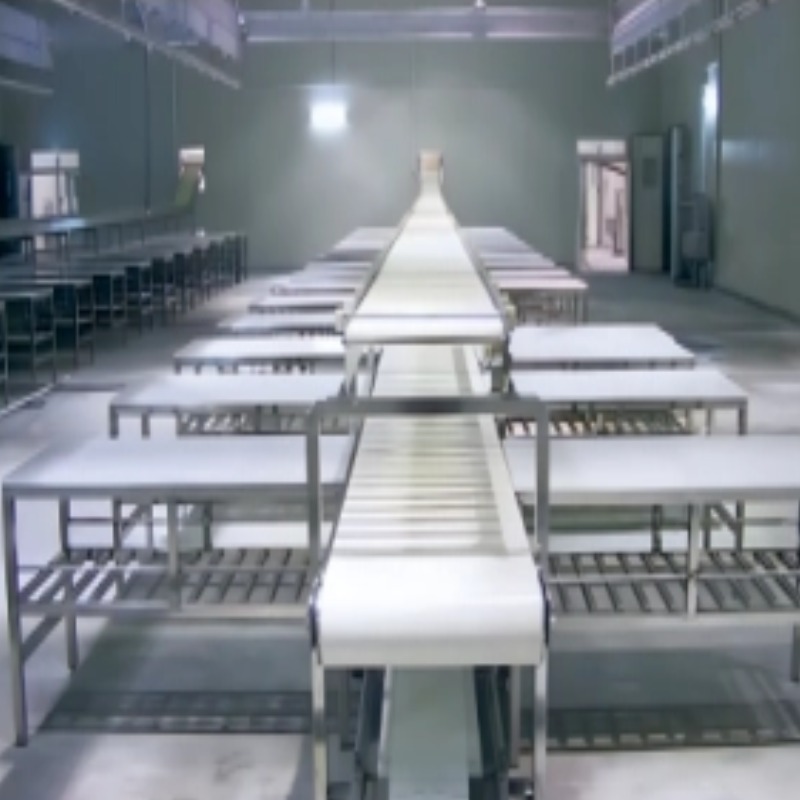 PIG SLAUGHTER EQUIPMENT
Multi-Layer Crawler Type Pig Carcass Division Conveyor
NPW's modular division conveyor features 1-3 layers for meat cutting & basket handling. Includes hygienic mesh belt, speed control &…
View product →