Understanding the Manual Neck Cutting Stage in Broiler Processing
In a modern integrated poultry slaughter line, every stage must work in perfect rhythm — from live bird hanging and stunning through bleeding, scalding, and plucking. Among these critical steps, the manual neck cutting operation remains a decisive control point for product quality, animal welfare, and downstream yield. This article explores how a well-organized manual neck cutting procedure integrates with NPW’s complete broiler slaughter solutions.
Why Manual Neck Cutting Still Matters
Although NPW supplies highly automated integrated slaughter lines, the neck cutting station is often operated manually or semi-automatically to ensure a precise, consistent cut. Skilled operators position the bird and execute a clean incision at the correct anatomical location, achieving:
- Effective bleeding: A properly executed cut ensures rapid and complete blood drainage, which improves meat color, shelf life, and food safety.
- Animal welfare compliance: Trained operators deliver a decisive cut that supports humane stunning-to-bleeding protocols.
- Reduced carcass damage: Controlled hand movement minimizes bruising and broken bones that reduce yield and downgrade product value.
A consistent neck cut is the foundation of clean bleeding — and clean bleeding is the foundation of premium poultry quality.
How the Manual Operation Fits the Integrated Line
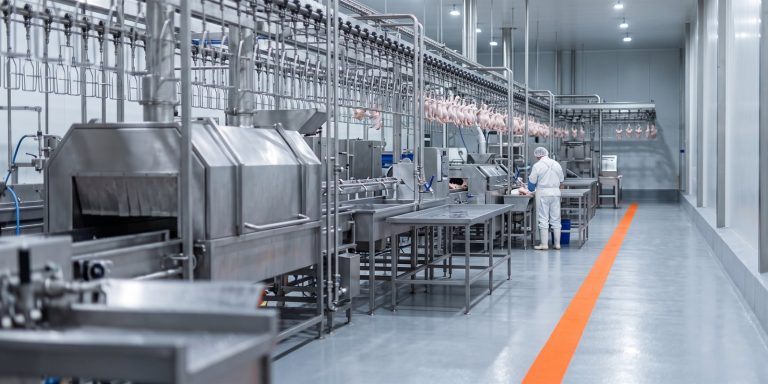
In NPW’s broiler slaughter configuration, birds are hung on the overhead conveyor after controlled stunning. The conveyor carries each bird to the neck cutting station, where operators work in synchronized motion with line speed. Immediately after cutting, birds pass through the bleeding tunnel, then proceed to scalding and plucking — typically using a chicken plucking machine — evisceration, pre-chilling, and portioning. Because the neck cutting step directly influences bleeding efficiency, it must be timed precisely with conveyor speed and downstream scalding temperature control. In highly automated plants, a chicken slaughter machine can handle stunning and killing, but the final neck cut is still often performed manually to maintain precision.
Hygiene and Food-Grade Standards
All contact surfaces at the neck cutting station — including knife rests, operator platforms, and stainless steel worktables — are constructed from food-grade stainless steel for corrosion resistance and easy sanitation. Best practices include:
- Frequent knife sterilization in hot water (typically above 82°C) between cuts.
- Regular hand washing and glove changes to prevent cross-contamination; operators should wear cut resistant gloves for safety and hygiene.
- Structured cleaning-in-place (CIP system) routines for the surrounding line equipment.
- Continuous monitoring of bleeding tunnel hygiene and wastewater drainage.
Labor-Saving and Throughput Benefits
While manual neck cutting demands operator skill, NPW designs the surrounding line to maximize efficiency: ergonomic station heights reduce fatigue, synchronized conveyor speeds maintain steady throughput, and modular line layouts allow the neck cutting position to be scaled with production capacity. Combined with automated scalding, plucking, and evisceration, the overall line delivers high throughput with fewer total operators and consistent output quality.
Delivery and Installation Support
NPW provides complete project support — from line layout and equipment packaging to shipping, on-site installation, and operator training for neck cutting and all downstream processes. Every system undergoes rigorous quality inspection before delivery to ensure reliable performance from day one.
Solutions related to this article
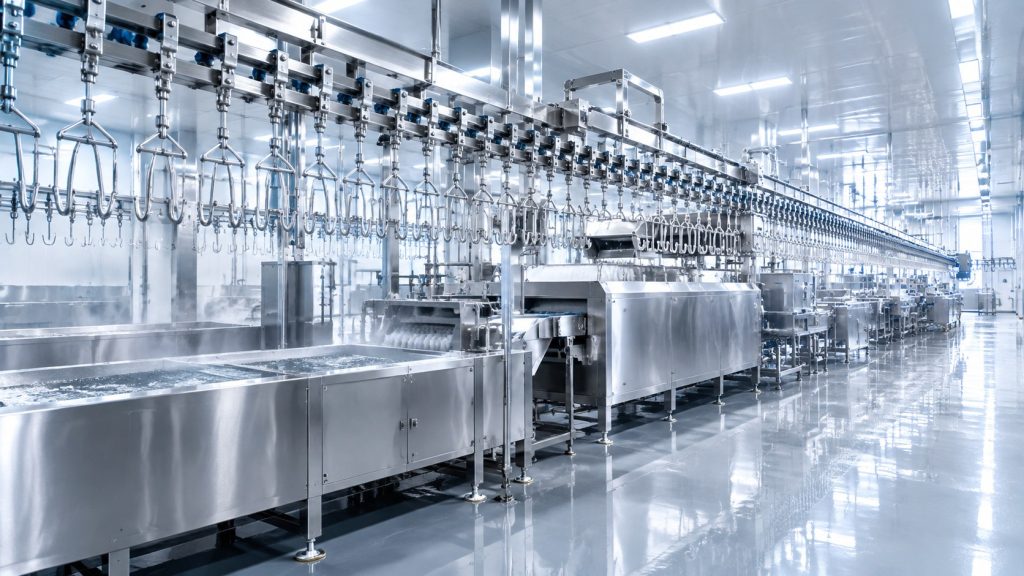 PoultryComplete Poultry Slaughter Line SolutionsHanging, scalding, plucking, evisceration and chilling on one continuous line.View solution →
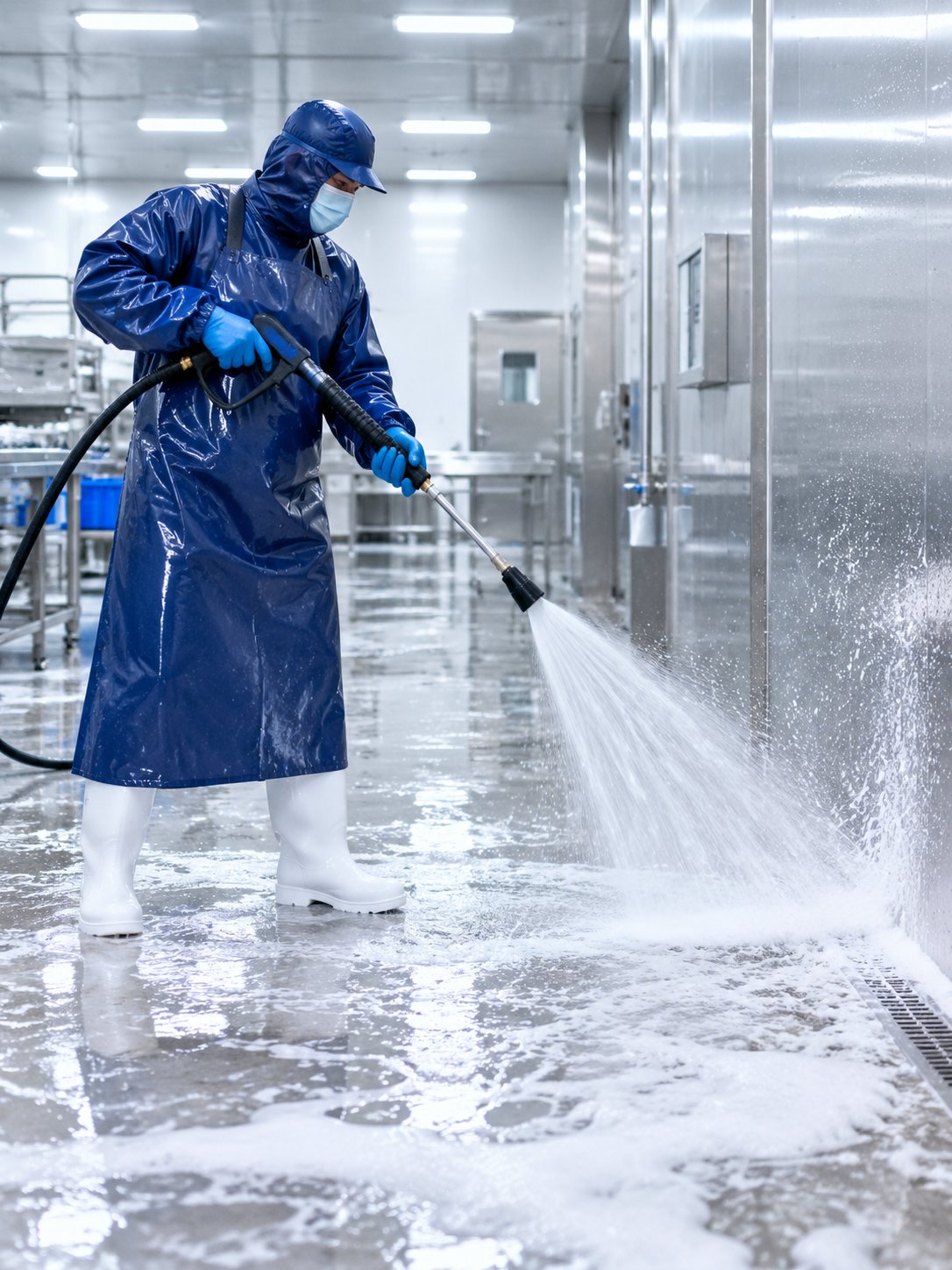 CleaningFood Industry Cleaning Equipment SolutionsFoam, CIP and washdown systems for food-contact surfaces and drains.View solution →
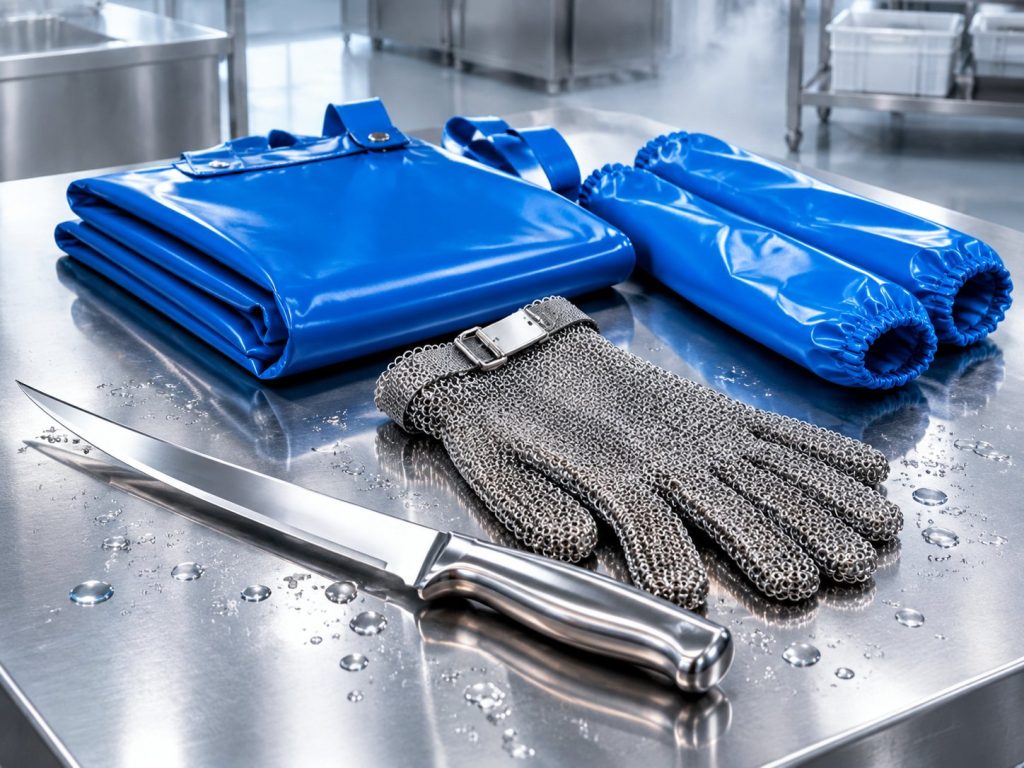 PPE & KnivesProtection, Cutting & Hygiene SolutionsKnives, aprons, gloves and hygiene kit for the kill floor and cutting room.View solution →
Products related to this article
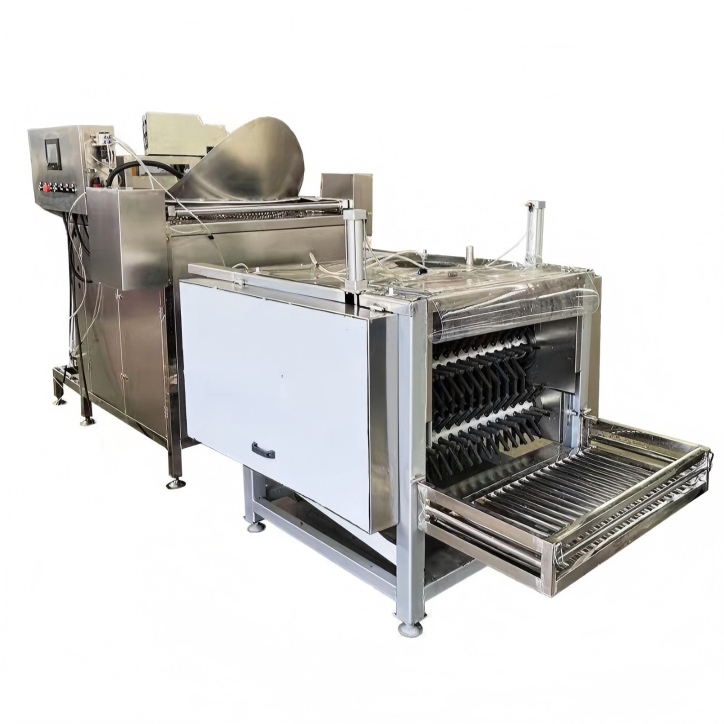 SCALDING AND PLUCKING MACHINE
NPW Automatic Poultry Processing Line: Bleeding, Scalding & Plucking System
Upgrade your slaughterhouse efficiency with NPW Equipment's fully automatic poultry processing line. This integrated system combines a…
View product →
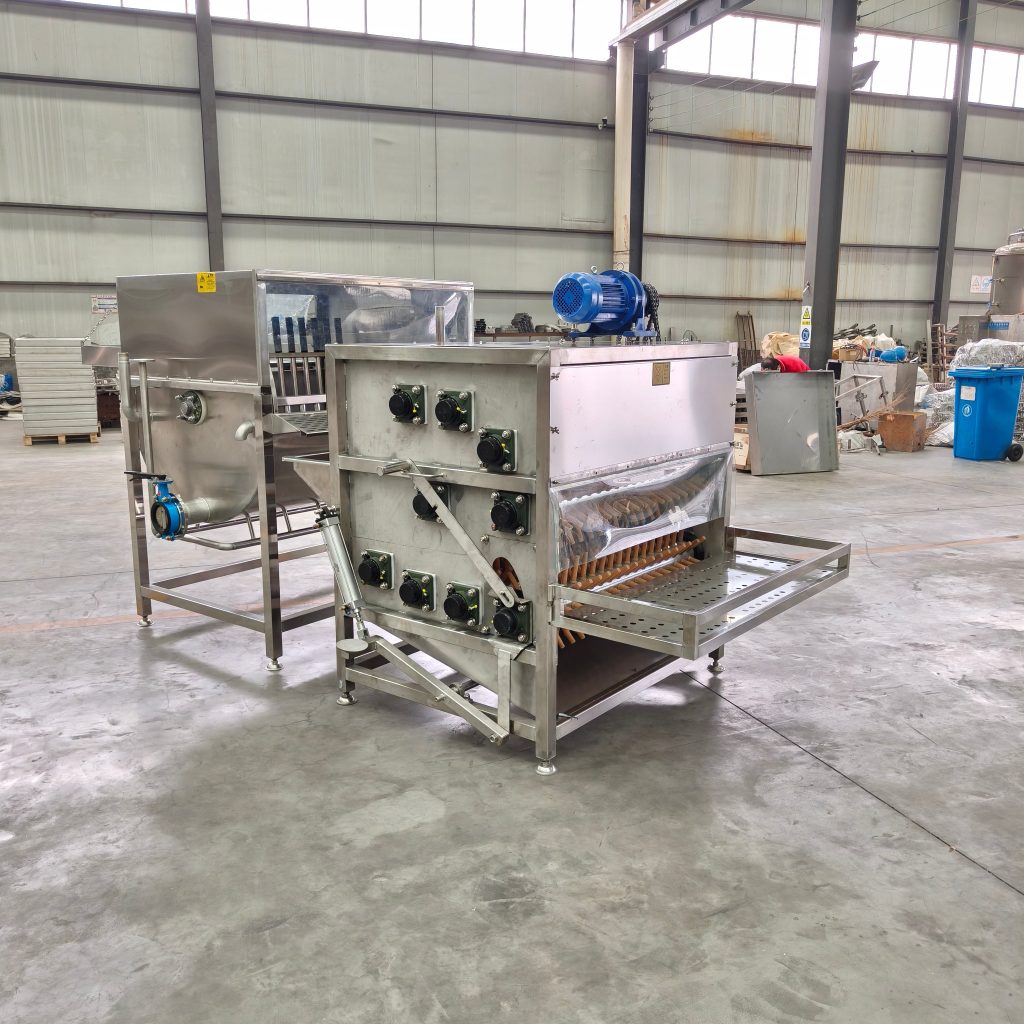 SCALDING AND PLUCKING MACHINE
Combined Poultry Scalding & Plucking Machine
The combined poultry scalding and plucking machine consists of a self-discharging mixing scalding tank and a small plucking machine. It is mainly…
View product →
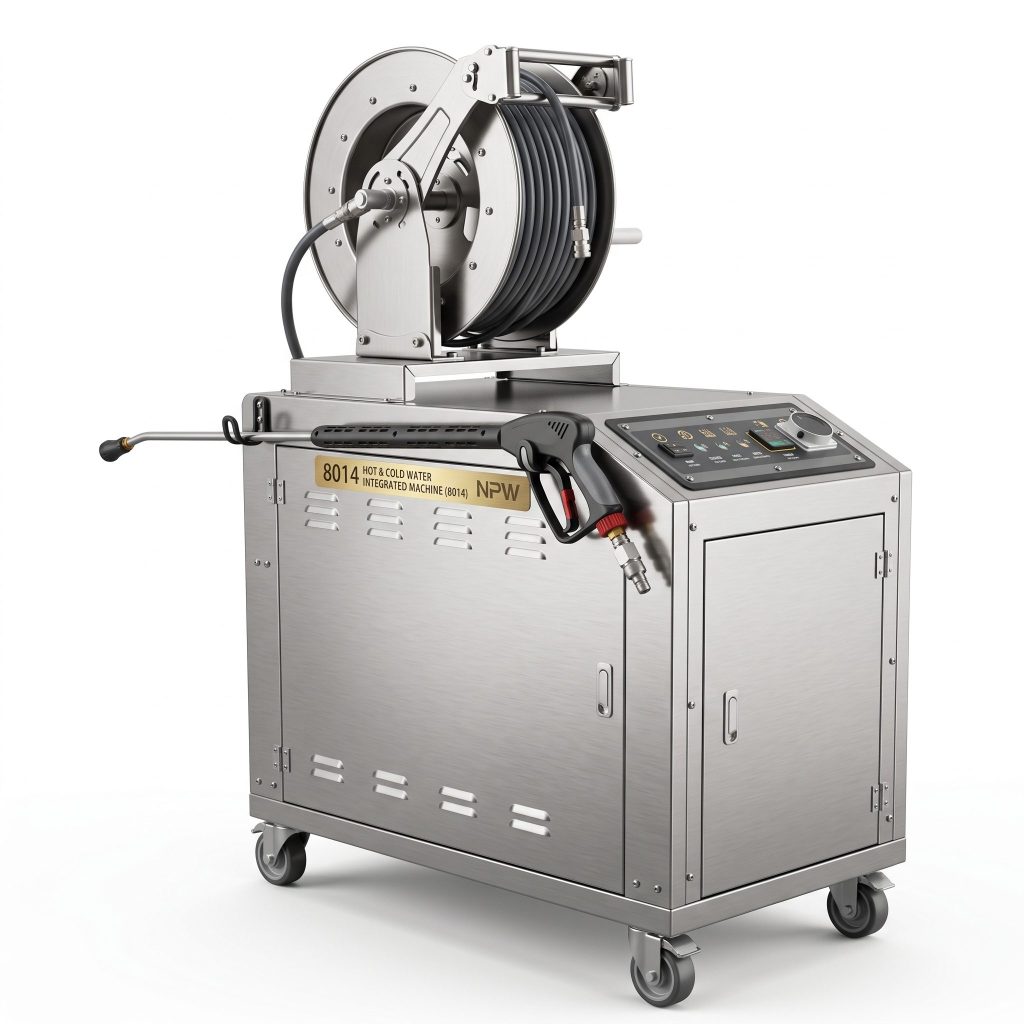 FOOD INDUSTRY CLEANING SYSTEM
8014 HOT & COLD WATER INTEGRATED MACHINE (8014)
200Bar stable high pressure effectively cleans stubborn stains. 90℃ hot water instantly dissolves congealed grease. Hot water provides physical…
View product →
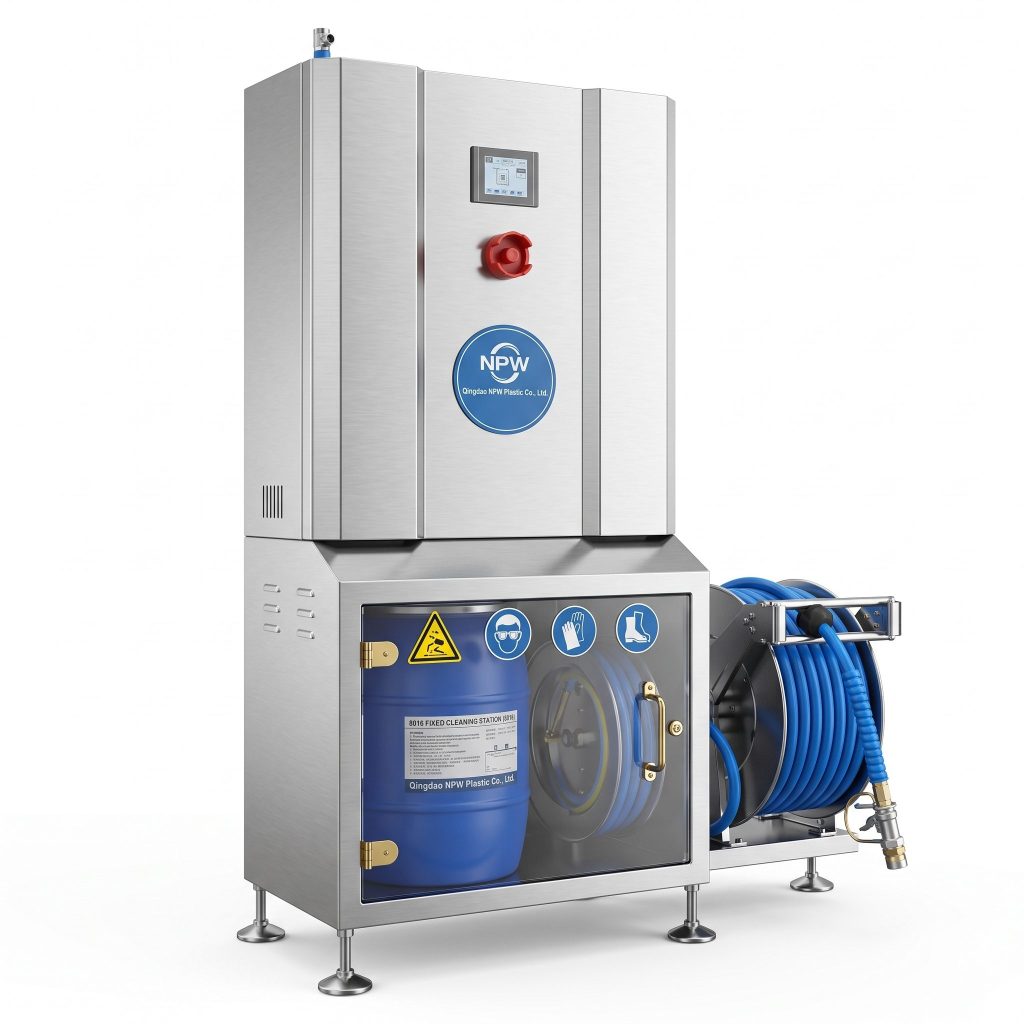 FOOD INDUSTRY CLEANING SYSTEM
8016 FIXED CLEANING STATION (8016)
Fixed installation, integrates into line for continuous cleaning. Stable pressure/flow ensures efficient cleaning. Industrial stainless steel for…
View product →
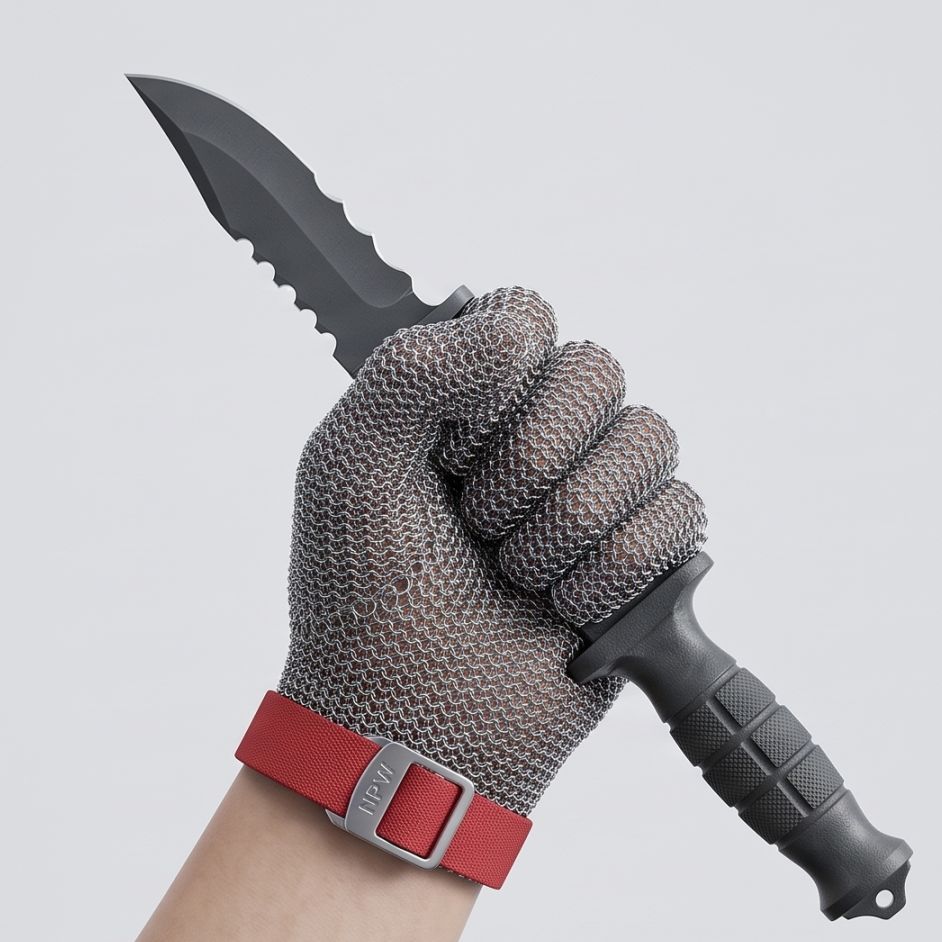 CHAINMAIL BUTCHER GLOVES
NPW 5-FINGER 316L STAINLESS STEEL CHAINMAIL CUT-RESISTANT GLOVE (STANDARD WRIST / NPW-CMG-01)
Ultra-durable medical-grade stainless steel mesh glove providing top-level cut protection for butchery operations.
View product →
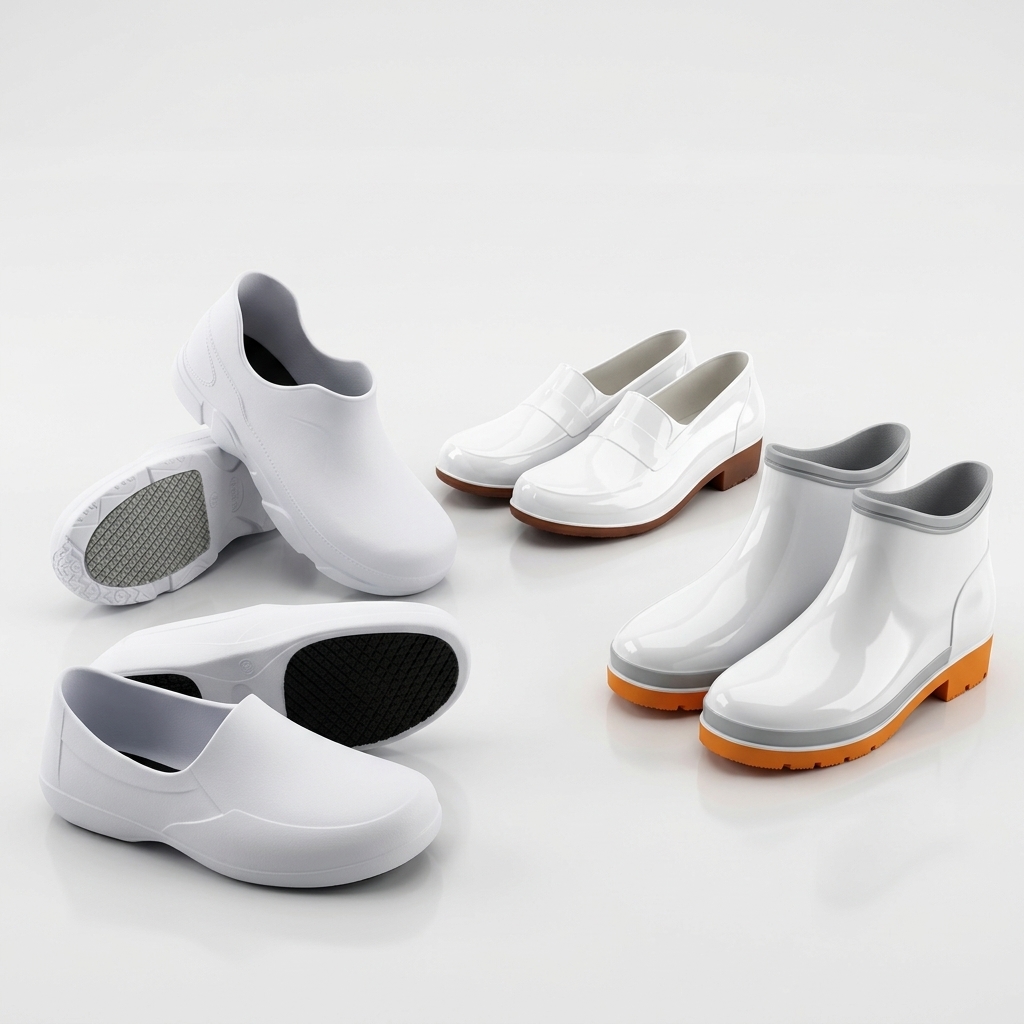 FOOD PROCESSING SAFETY BOOTS
NPW FOOD PROCESSING LOW-CUT SLIP-ON HYGIENE SHOES (PVC & EVA SERIES)
Sanitary low-cut slip-on work shoes engineered with smooth, laceless uppers and oil-resistant outsoles for cleanroom food packaging and processing…
View product →