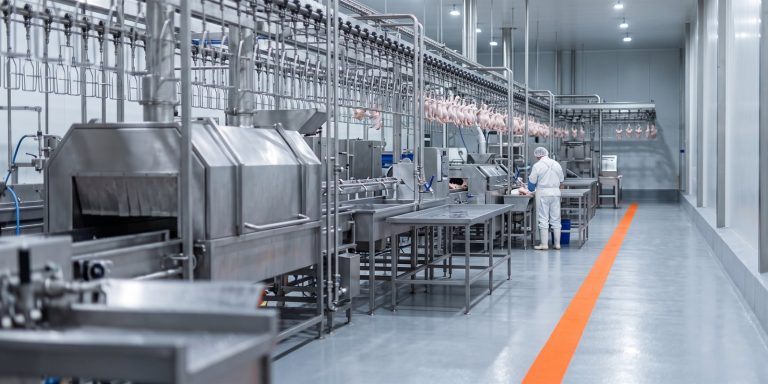
In poultry slaughtering lines, the horizontal overhead chain conveyor is the backbone equipment that runs through the entire process—from live poultry hanging, stunning, bleeding, scalding, defeathering, evisceration and pre-chilling to cutting and packaging. It uses an overhead track to form a closed loop in the horizontal plane, continuously and orderly conveying poultry carcasses or hanging pendants along a predetermined process path to each workstation. This links otherwise separate slaughtering operations into a rhythmic, controllable assembly line. For batch processing of chickens, ducks, geese and other poultry, the horizontal overhead chain conveyor not only determines the spatial layout efficiency of the line, but also directly affects slaughter hygiene conditions, per-shift capacity and operating and maintenance costs.
Structural Composition and Horizontal Loop Layout
A typical horizontal overhead chain conveyor consists of overhead track, traction chain, trolleys, pendants, drive unit, tensioning device and corner/turnaround devices. Trolleys are connected to the traction chain at equal intervals. The chain turns in the horizontal plane via horizontal turnaround devices and, together with the overhead track, forms a closed loop. In poultry slaughtering applications, the track often uses a T-shaped cross-section. Trolley wheels are commonly made of nylon to reduce friction noise and wear, while the chain is made of stainless steel or manganese steel with galvanized treatment to suit the high-humidity, frequently washed workshop environment. The pendant is usually a dedicated poultry hook hinged to the trolley, ensuring the poultry body maintains a stable hanging posture during conveying.
The advantage of this “horizontal loop” layout is that the line can flexibly route around columns, walls or existing equipment on the workshop floor without occupying ground-level operating space. It organically connects different process areas such as killing, scalding, evisceration and pre-chilling, making it particularly suitable for small and medium-sized slaughtering workshops seeking to achieve assembly-line transformation within a limited building area.
Hygienic Design and Adaptation to Slaughtering Scenarios
Poultry slaughtering places high demands on equipment hygiene. Components that may come into contact with poultry bodies or meat, such as tracks and hooks, should be made of food-grade stainless steel or materials meeting food hygiene requirements. Non-direct-contact components such as trolley wheel hubs should preferably use engineering plastics or aluminum alloy, and the traction chain should preferably be stainless steel to resist corrosion and microbial growth risks in hot scalding areas, pre-chilling areas and washing processes. The combination of nylon trolleys and stainless steel chains performs well in corrosion resistance in the high-humidity environment of slaughterhouses, while nylon materials help reduce operating noise and improve the workshop working environment.
In terms of process adaptation, the horizontal overhead chain conveyor needs to match the rhythm of poultry slaughtering. The line is usually equipped with a variable-frequency drive gearmotor to adjust chain speed according to slaughtering capacity, coordinating the hanging spacing with the processing time of stunning, bleeding, defeathering, evisceration and other operations. For transitions between workstations at different heights, rising and falling rail sections can be used to achieve smooth changes in track height, but the inclination angle should be controlled within a reasonable range to ensure the service life and operating stability of the chain and trolleys.
Value to Slaughtering Line Efficiency and Maintenance
The core value of the horizontal overhead chain conveyor in poultry slaughtering lines lies in transforming intermittent, manual-handling-based slaughtering operations into continuous, rhythm-based assembly line production. From the moment of hanging, poultry bodies pass through each processing workstation in sequence on the closed loop. The operating time of each process is uniformly constrained by chain speed and pendant spacing, reducing waiting and handling losses between processes and improving per-shift output and product consistency. At the same time, because the conveying route runs overhead in a closed loop, ground space is freed up, making it easier to organize the workshop by process zones and reducing dependence on operator skill.
In terms of operation and maintenance, the horizontal overhead chain conveyor has relatively few transmission components and a comparatively simple structure. Daily maintenance focuses on chain tension checks, trolley wear inspection, and lubrication and electrical checks of the drive unit. Models equipped with waterproof and corrosion-resistant electrical components, emergency stop and overload protection are better suited to the frequent washing and high-humidity operating conditions of slaughterhouses.
Key Points for Model Selection and Line Integration
When planning a poultry slaughtering line, the selection of a horizontal overhead chain conveyor should first match the target slaughtering capacity; common line capacities range from several hundred to several thousand birds per hour. Second, the direction and turning radius of the horizontal loop should be determined according to the workshop column grid and process flow, ensuring the track can smoothly bypass obstacles and accurately align with equipment for stunning, bleeding, scalding, defeathering, evisceration and pre-chilling. For scenarios requiring processing of multiple poultry types or specifications in the same workshop, attention should also be paid to pendant interchangeability and chain speed adjustment range to retain flexibility for process changeover. Installation and commissioning as well as subsequent supply of wear parts should also be evaluated during the selection stage to ensure long-term continuous operation of the line.
Solutions related to this article
 PoultryComplete Poultry Slaughter Line SolutionsHanging, scalding, plucking, evisceration and chilling on one continuous line.View solution →
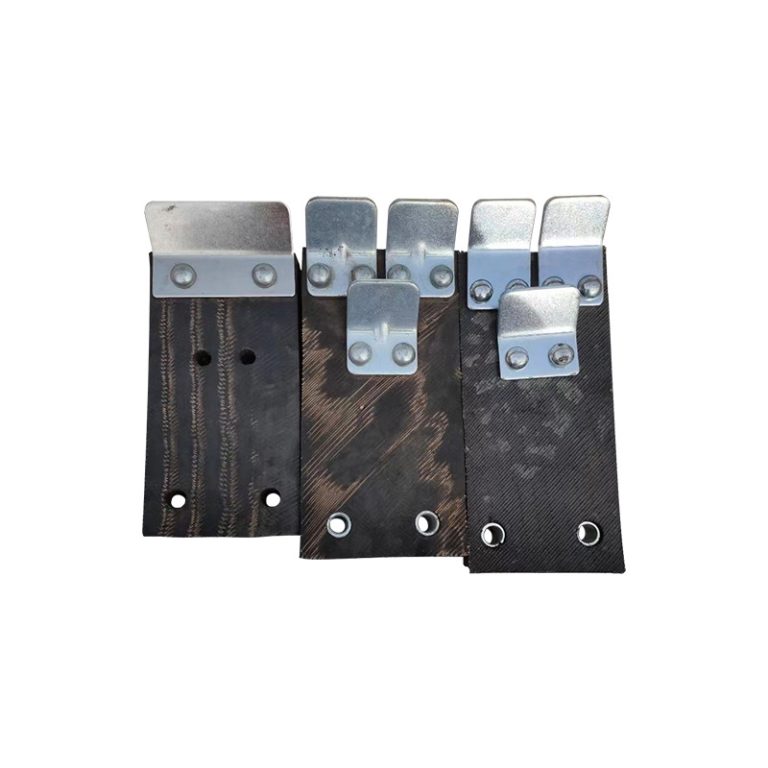 AccessoriesSlaughter Accessories SolutionsHooks, shackles, saw blades, rubber fingers and trolleys that wear out first.View solution →
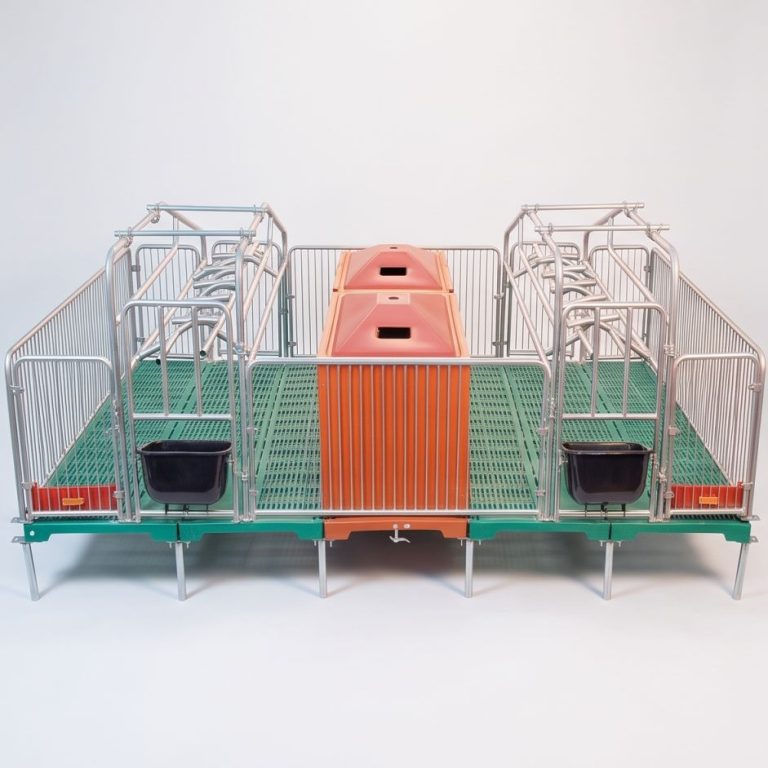 LivestockLivestock Farming Equipment SolutionsHousing, slatted flooring, feeding, drinking and ventilation for pig and cattle barns.View solution →
Products related to this article
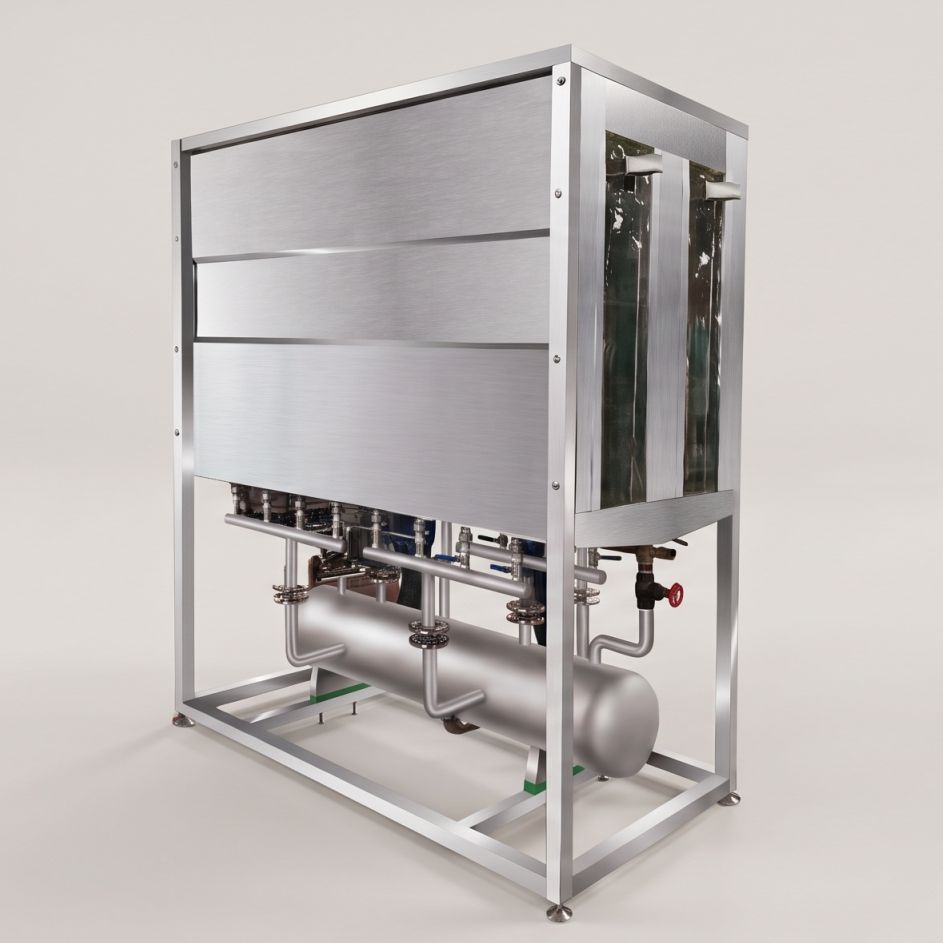 POULTRY SLAUGHTER EQUIPMENT
HIGH HUMIDITY HOT AIR SCALDING MACHINE
This equipment uses high-humidity hot air scalding technology, which is in line with the future development direction of poultry scalding technology.…
View product →
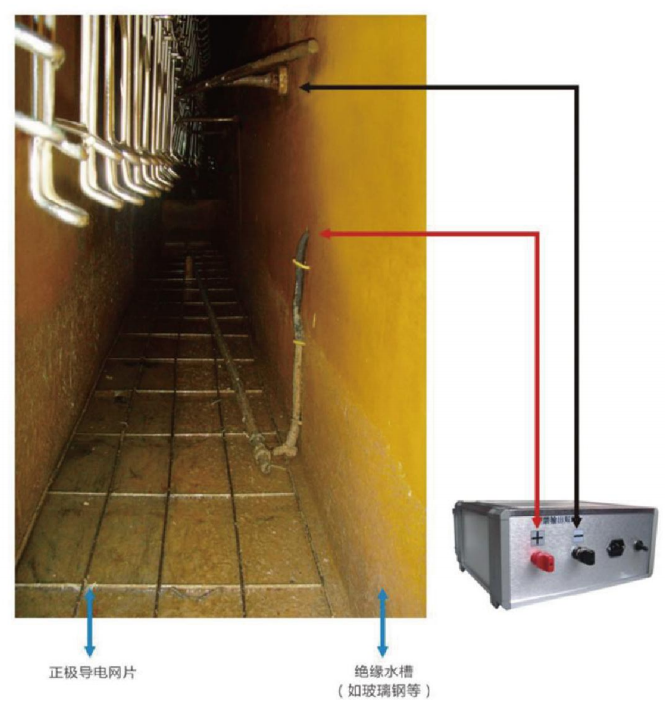 POULTRY SLAUGHTER EQUIPMENT
VARIABLE FREQUENCY ELECTRIC STUNNER MACHINE
The frequency conversion electric stunner machine is one of the indispensable equipment for automatic poultry slaughtering production lines. It is…
View product →
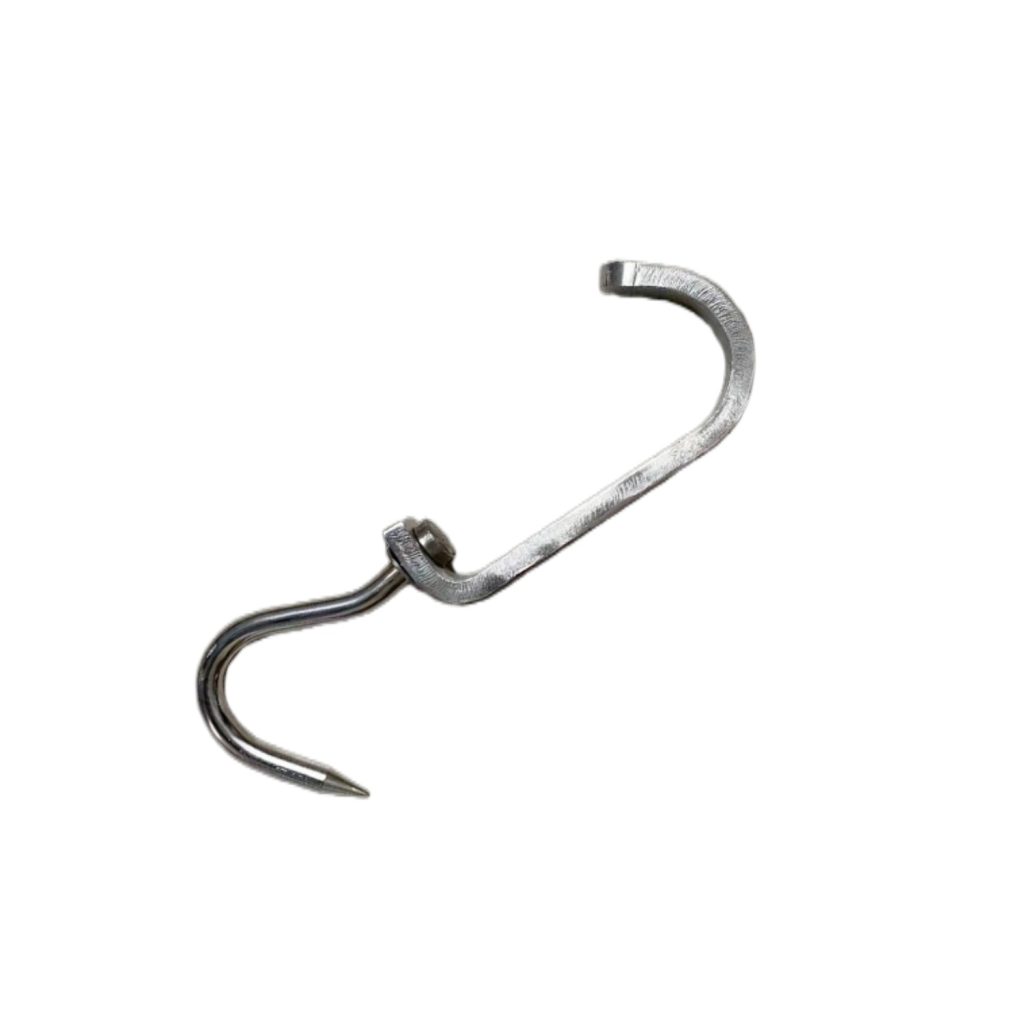 SLAUGHTER ACCESSORIES
Meat Hanging Hook for Pig, Cattle and Sheep Tubular Rail
Made of 201 Stainless Steel Applicable Scope: Pig, Cattle and Sheep Slaughter Lines Pork Hook: Single Hook Load Capacity: ~150 kg (Whole Carcass of…
View product →
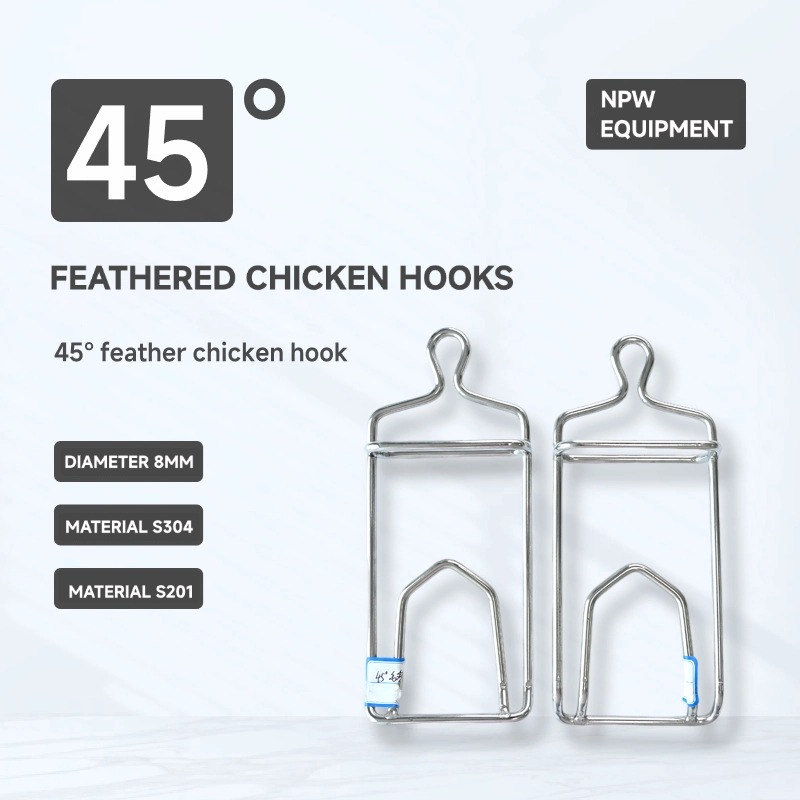 SLAUGHTER ACCESSORIES
STAINLESS STEEL HOOKING AND SLAUGHTERING HOOKS
This series of hooks is specially designed for modern poultry slaughtering lines, serving as a key basic component that connects the conveying chain…
View product →
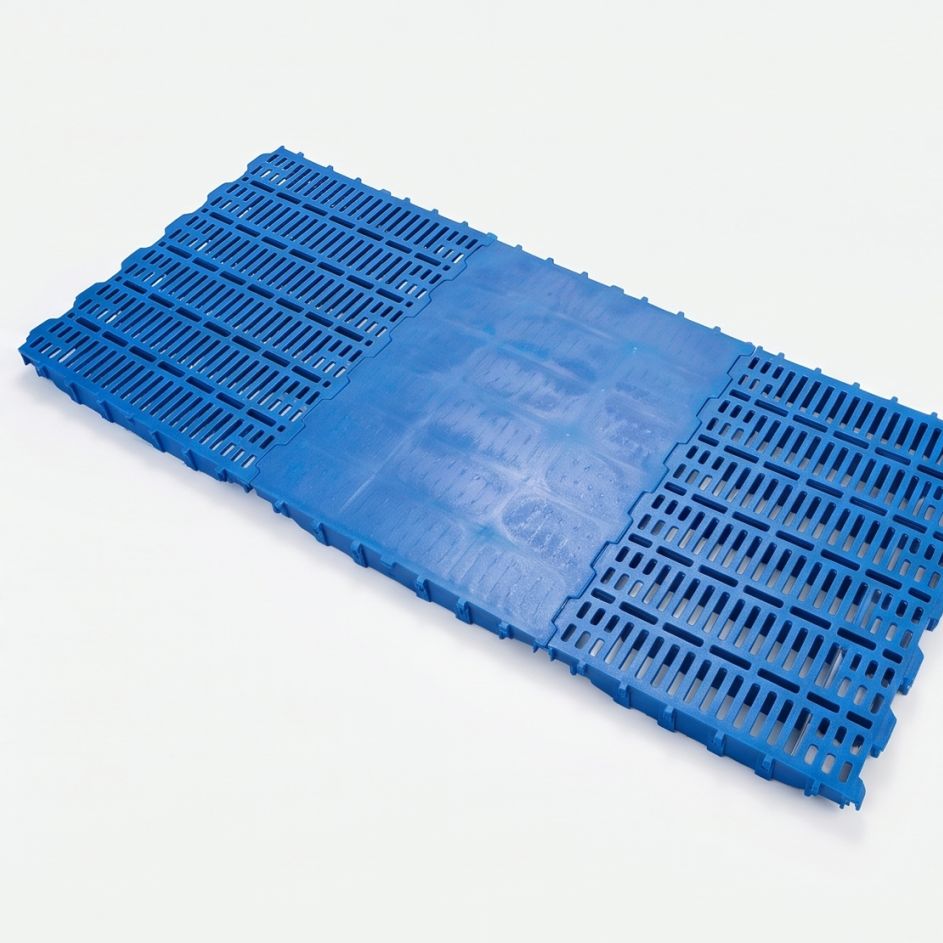 LIVESTOCK & POULTRY FARMING EQUIPMENT
NPW VIRGIN ENGINEERING PP & NYLON PLASTIC SLATTED FLOOR SERIES (NPW-PSF SERIES)
Interlocking virgin polypropylene and nylon slatted panels with frosted anti-slip surfaces and minimal day-night temperature fluctuation.
View product →
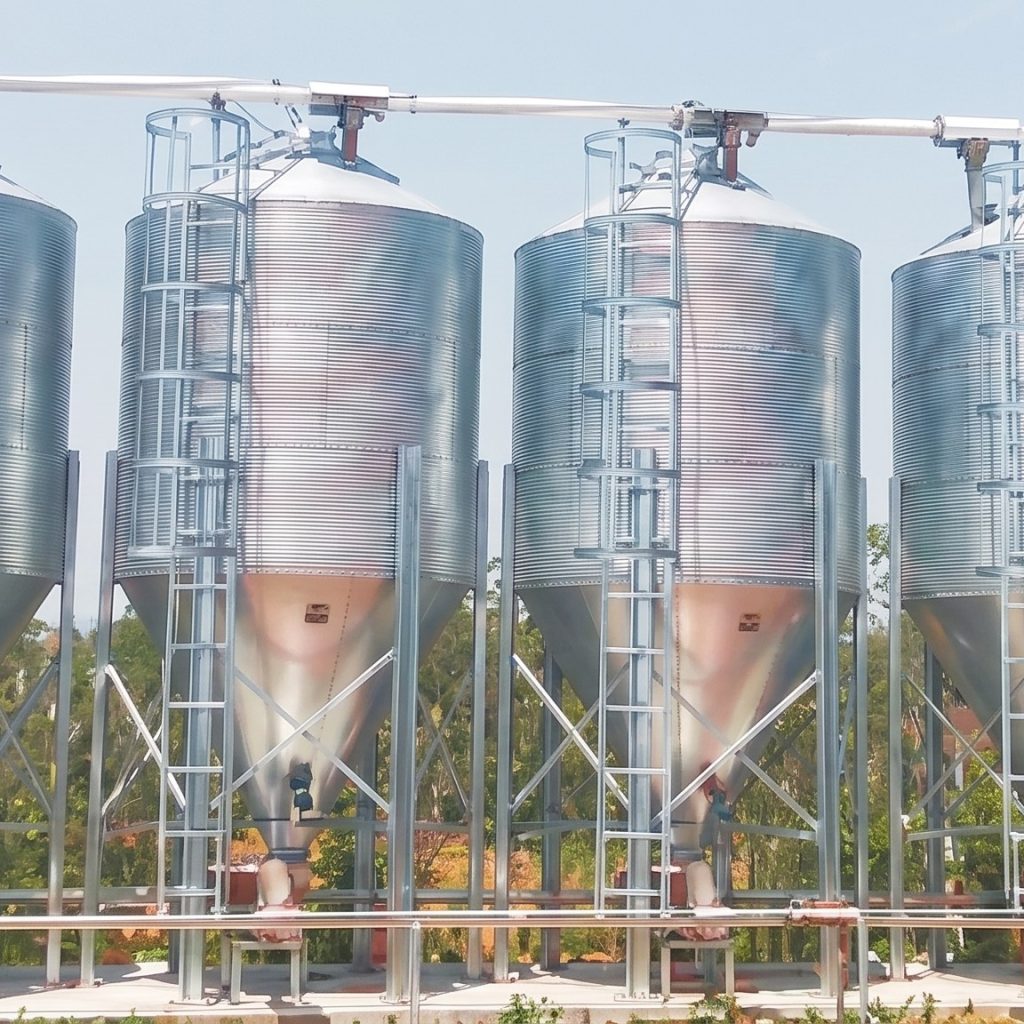 LIVESTOCK & POULTRY FARMING EQUIPMENT
NPW GALVANIZED CORRUGATED STEEL FEED SILO SERIES (3 TON ~ 32 TON / NPW-GFS SERIES)
Automated farm feed storage silos built from high-strength galvanized corrugated steel with ground-operated roof openers and safety features.
View product →