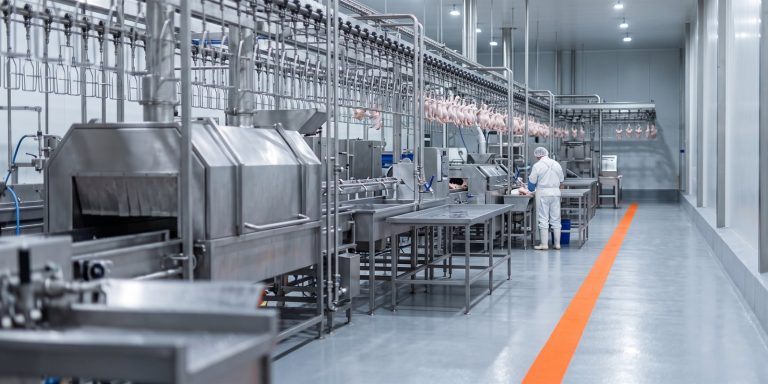
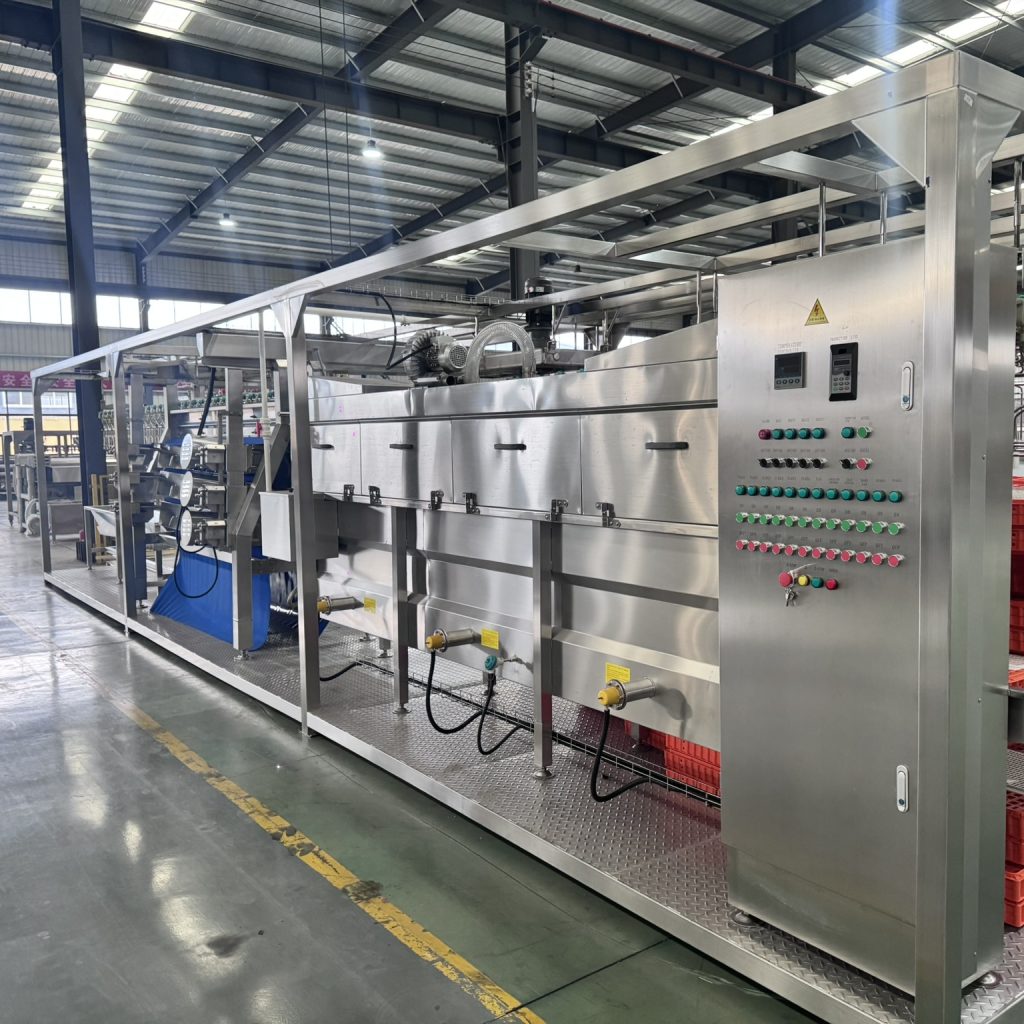
The Double Layer Belt Conveyor is a essential conveying apparatus deployed in poultry slaughtering and cutting lines. As defined by the industry standard for livestock and poultry slaughtering equipment, it refers to a conveyor configured with upper and lower belt conveying layers. Its primary function in poultry processing is to facilitate material flow between deboning, trimming, and portioning stations. By utilizing two independently operating belts, the equipment separates fresh meat products from by-products or empty trays, thereby reducing cross-contamination risks and improving logistical efficiency on the processing floor.
Construction and Material Specifications
The frame is typically fabricated from 304 stainless steel, offering superior corrosion resistance suitable for the high-humidity, washdown-intensive environment of slaughterhouses. Adjustable feet ensure stability on uneven floors. The conveyor belt is made of food-grade, oil-resistant white belting or PU material, compliant with food-contact safety requirements. Common belt widths range from 400 mm to 600 mm, selectable based on throughput and workstation layout. The drive system employs a stepless speed-reduction motor or frequency inverter, allowing linear speeds adjustable within the 6–10 m/min range to match varying cutting rhythms.
Application in Poultry Cutting Lines
In poultry cutting rooms, the double layer conveyor is typically positioned alongside deboning or trimming workstations. The upper belt delivers poultry parts—such as breast, leg quarters, or whole-bird cuts—to operator tables, while the lower belt collects trimmed finished products or returns empty trays. In certain configurations, the two layers can separately handle “bone-in cuts” and “boneless trimmed meat,” creating a physical barrier that aligns with hygienic zoning requirements for raw and ready-to-cut products. Compared with single-layer conveyors, the double-layer design nearly doubles the effective conveying surface within the same footprint, making it particularly advantageous for retrofit projects with limited floor space.
Selection and Compliance Notes
According to relevant industry standards for livestock and poultry slaughtering equipment, typical basic parameters for double-layer conveyors include a working width of 500–600 mm, working heights of approximately 800 mm (lower) and 1650 mm (upper), and a power range of 0.55–2.2 kW, with customization available to suit specific ergonomic requirements. When procuring, verify compliance with NY/T 3368-2018 Livestock and poultry slaughtering and processing equipment—Dividing conveyor, particularly the technical thresholds for belt slip rate (≤3%) and deviation (≤±2 mm), and request material certificates for food-grade belting. Routine maintenance should focus on periodic belt tension checks and splice integrity inspection, with belt-surface cleaning and sanitizing performed after each shift to extend service life and maintain hygiene ratings.
Solutions related to this article
 CleaningFood Industry Cleaning Equipment SolutionsFoam, CIP and washdown systems for food-contact surfaces and drains.View solution →
 LivestockLivestock Farming Equipment SolutionsHousing, slatted flooring, feeding, drinking and ventilation for pig and cattle barns.View solution →
 PoultryComplete Poultry Slaughter Line SolutionsHanging, scalding, plucking, evisceration and chilling on one continuous line.View solution →
Products related to this article
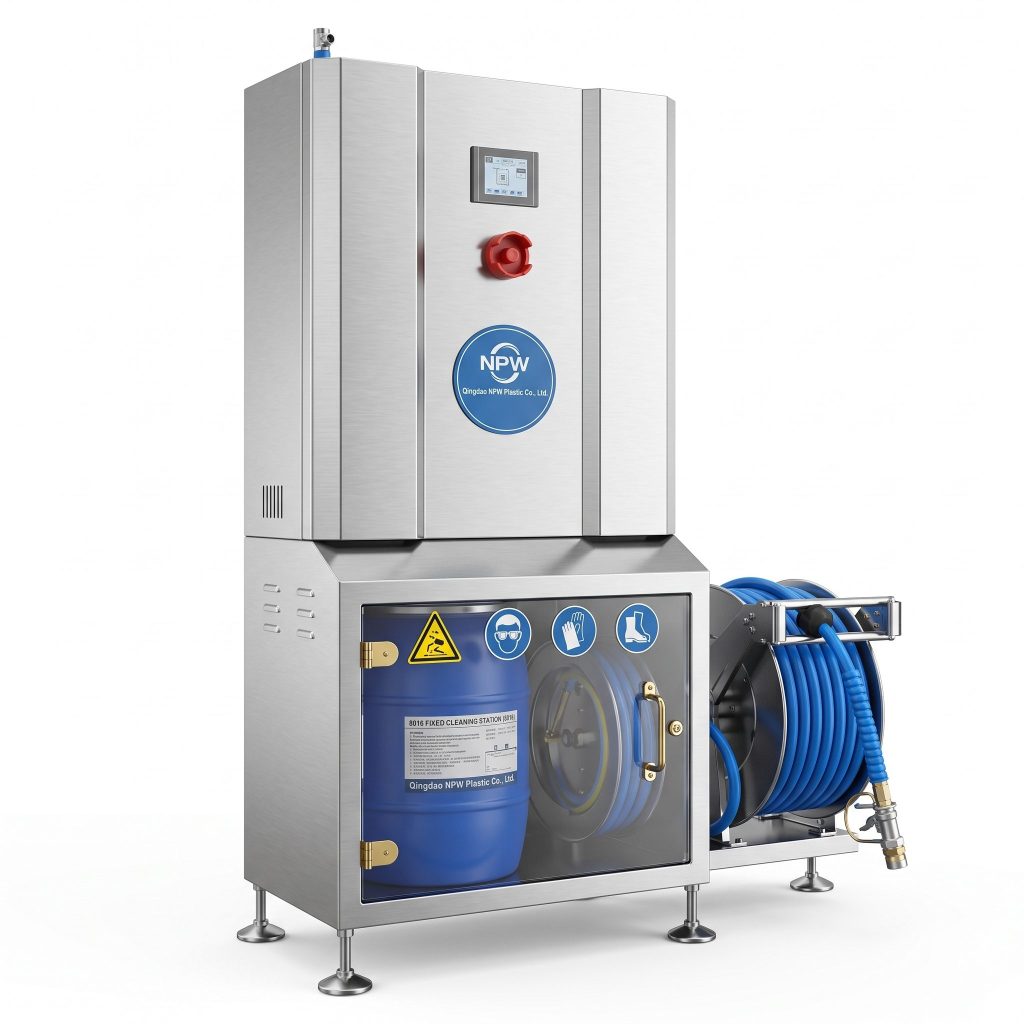 FOOD INDUSTRY CLEANING SYSTEM
8016 FIXED CLEANING STATION (8016)
Fixed installation, integrates into line for continuous cleaning. Stable pressure/flow ensures efficient cleaning. Industrial stainless steel for…
View product →
 FOOD INDUSTRY CLEANING SYSTEM
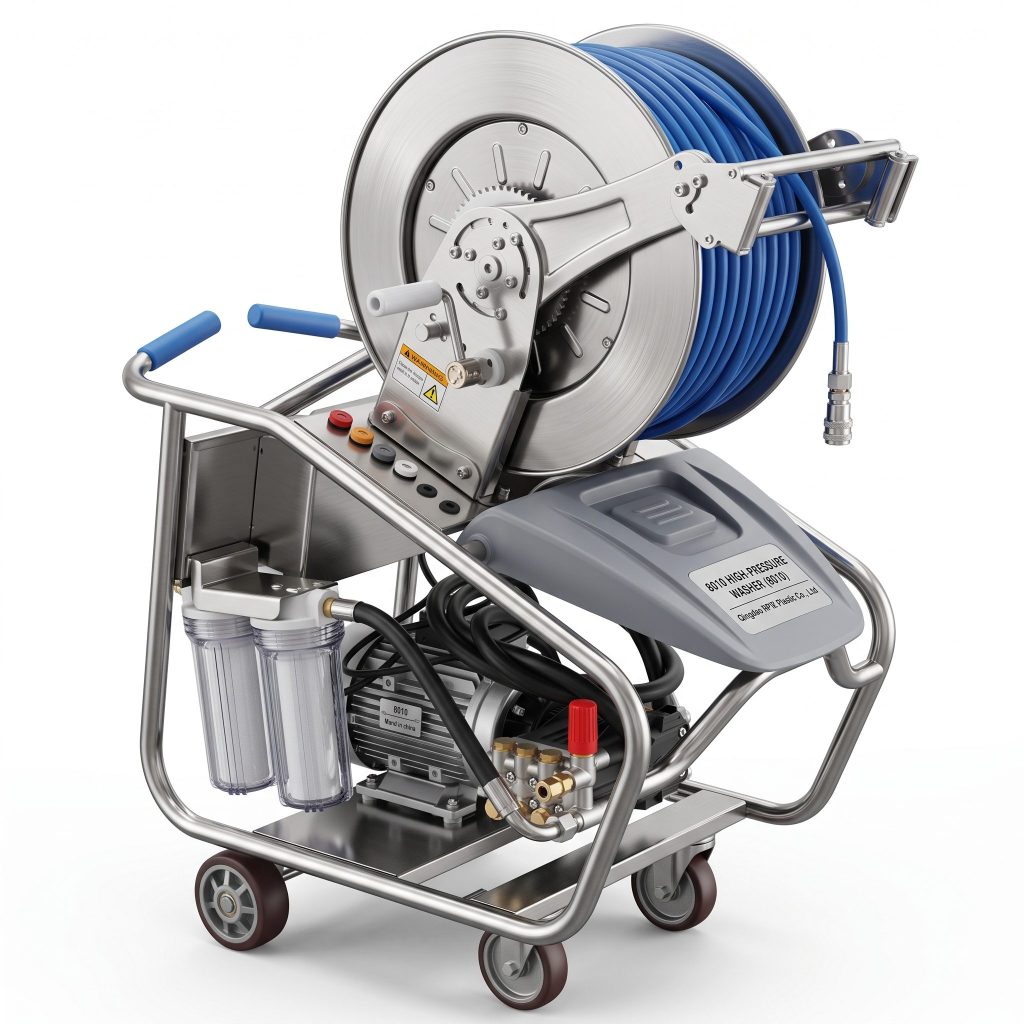
8010 HIGH-PRESSURE WASHER (8010)
150kg high-pressure washer/disinfector for food plant grease. Optimized pressure/flow for effective rinse. Simple, stable, reliable, low maintenance.…
View product →
 LIVESTOCK & POULTRY FARMING EQUIPMENT
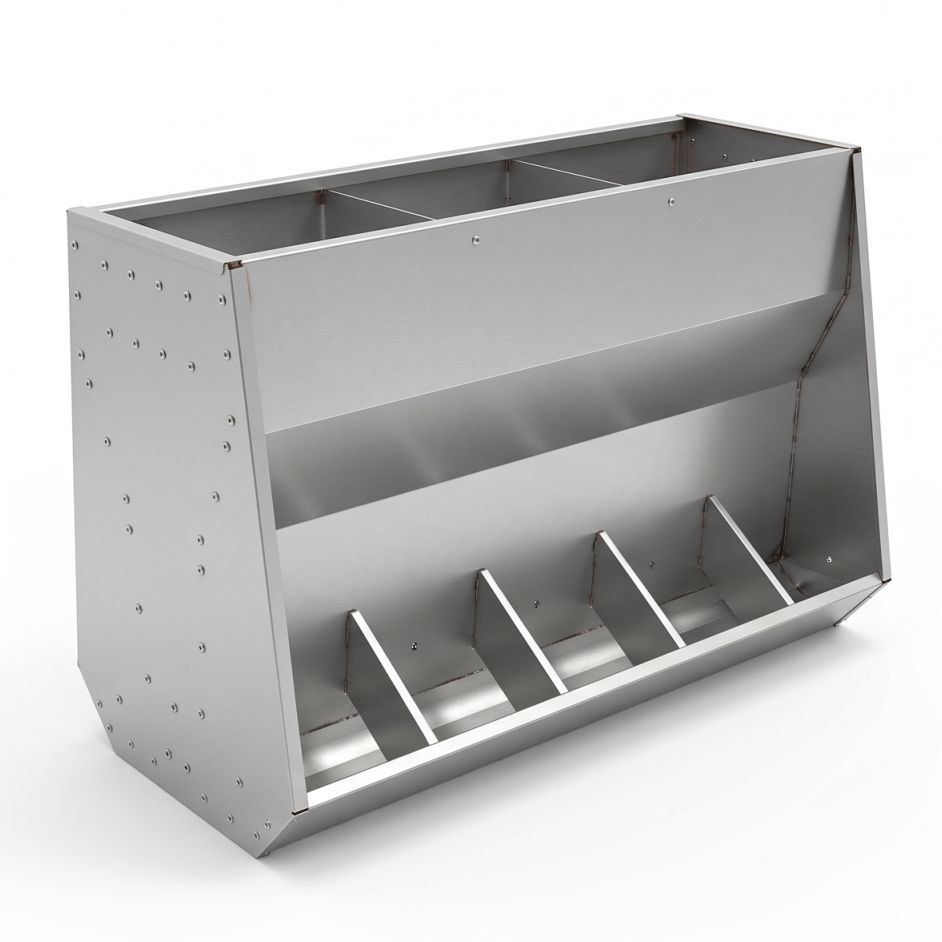
NPW STAINLESS STEEL DOUBLE-SIDED & SINGLE-SIDED FEED TROUGHS (NPW-SST SERIES)
Laser-cut, CNC-bent SUS 304/201 automatic feed troughs with adjustable flow dividers for nursery, fattening, and gestation barns.
View product →
 LIVESTOCK & POULTRY FARMING EQUIPMENT
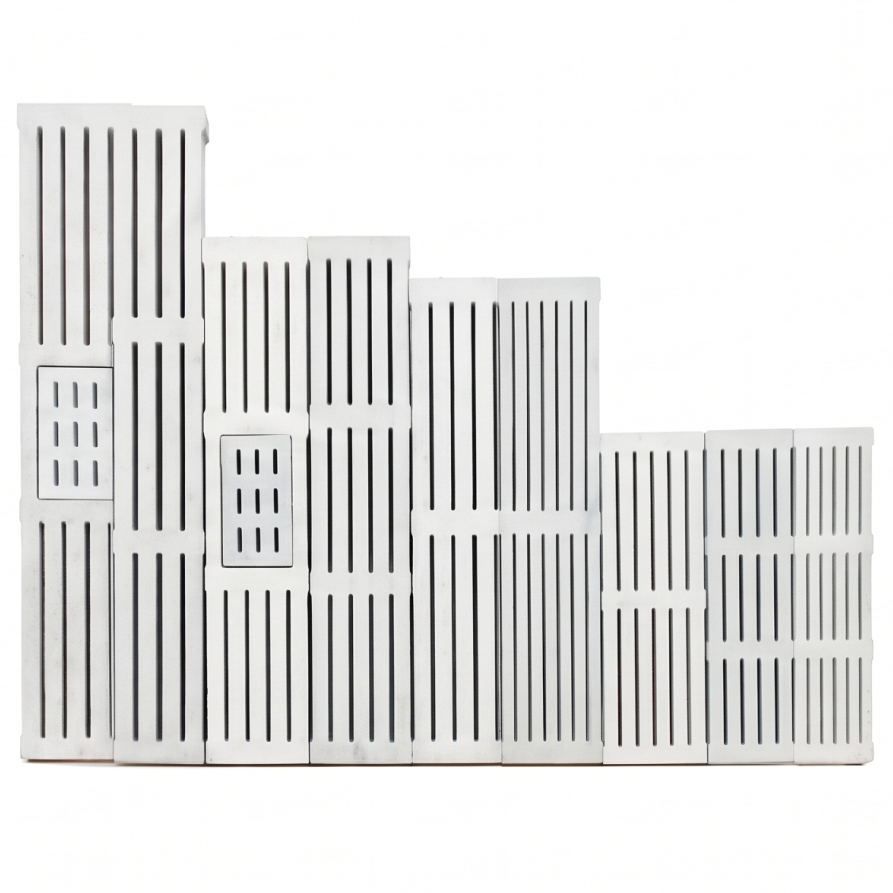
NPW HEAVY-DUTY MACHINE-MADE CONCRETE SLATTED FLOORING SYSTEM (NPW-CSL SERIES)
C40 machine-made concrete slatted floors with double-layer rebar and emery-polished non-slip edges, rated over 1,000 kg load.
View product →
 POULTRY SLAUGHTER EQUIPMENT
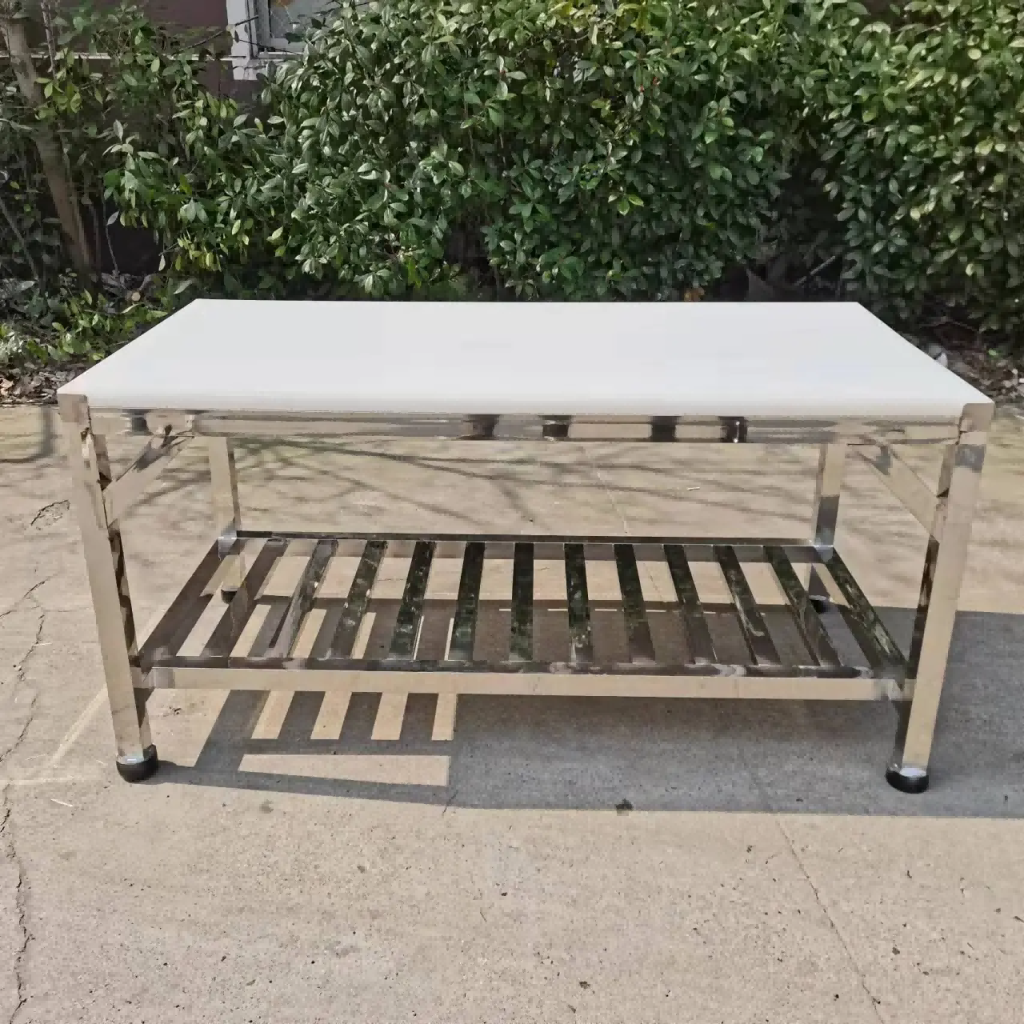
Stainless Steel Deboning and Cutting Table
A heavy-duty, ergonomic workstation designed for precision manual deboning and portioning, featuring a high-density food-grade cutting surface and a…
View product →
 COMPACT POULTRY SLAUGHTER LINE
600-800 BPH Compact Poultry Slaughter Line
This is a high-efficiency, flexible, and ready-to-use modern Poultry Slaughter Line solution specially designed for small and medium-sized…
View product →