Why Crate Hygiene Is Critical in Poultry Processing
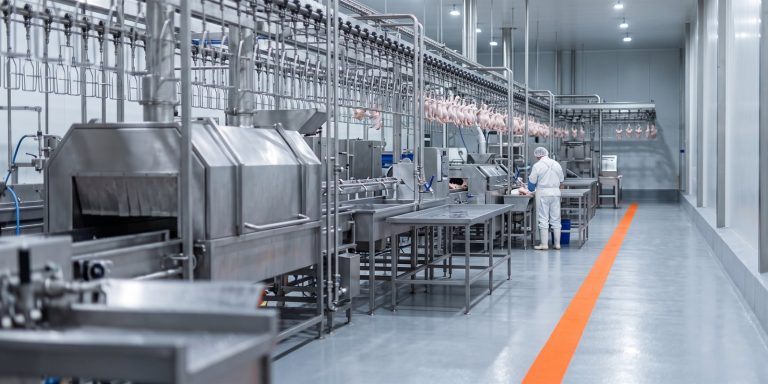
In modern poultry slaughterhouses, transport crates are a major vector for cross-contamination. Organic matter, feathers, and feces left on crates can harbor Salmonella, E. coli, and Campylobacter, threatening food safety and shelf life. Manual washing is labor-intensive, consumes excessive water, and often fails to achieve consistent sanitation. The NPW high-pressure poultry crate washing machine delivers a fully automated solution that ensures every crate is cleaned, sanitized, and dried before reuse, meeting stringent HACCP and FDA requirements. As a key piece of food industry cleaning equipment, it integrates seamlessly into slaughterhouse hygiene protocols.
How the NPW Crate Washer Works
Our system integrates a multi-stage process into a compact footprint:
- Pre-rinse: High-volume spray removes loose debris and reduces organic load.
- Main wash: 60–80°C water with alkaline detergent, applied at 8–12 bar via rotating nozzles, penetrates every corner.
- Final rinse: Fresh water at 85°C sanitizes and removes detergent residues.
- Air blow-off: High-velocity blowers remove excess water, reducing drying time and preventing mold.
Constructed from food-grade stainless steel (AISI 304/316), the machine resists corrosion and withstands daily washdowns. A variable-frequency drive adjusts conveyor speed to match line throughput—up to 600 crates per hour—while energy-efficient pumps cut water consumption by up to 40% compared to manual methods. For optimal cleaning, we recommend pairing the unit with a hot water pressure washer for pre-cleaning heavily soiled crates, and a foam cleaning system for deep sanitation of the surrounding area.
Key Benefits for Slaughterhouse Operations
- Labor savings: One operator can manage the entire washing cycle, freeing staff for other tasks.
- Consistent hygiene: Automated dosing and temperature control ensure repeatable results, reducing microbial counts by >99%.
- Durability: Heavy-duty construction and IP65-rated electrical components ensure reliable operation in wet environments.
- Environmental compliance: Water recycling options and low-energy blowers minimize environmental impact.
Beyond the washer itself, complete hygiene also depends on proper abattoir equipment and the use of dedicated food processing boots for staff moving between zones.
“Since installing the NPW crate washer, our crate rejection rate dropped by 30%, and we’ve cut water usage significantly. The machine is a workhorse.” — Plant Manager, EU poultry processor
Installation and Support
NPW provides turnkey integration: from site assessment and custom conveyor design to installation and operator training. Our global service network ensures spare parts availability and preventive maintenance, maximizing uptime. The crate washer can be seamlessly linked with existing crate handling systems, creating a fully automated loop from receiving to processing.
Conclusion
Investing in a dedicated crate washing machine is no longer optional for poultry processors aiming to meet rising food safety standards. The NPW high-pressure poultry crate washer combines robust engineering, operational efficiency, and hygiene assurance—protecting your brand and your consumers.
Solutions related to this article
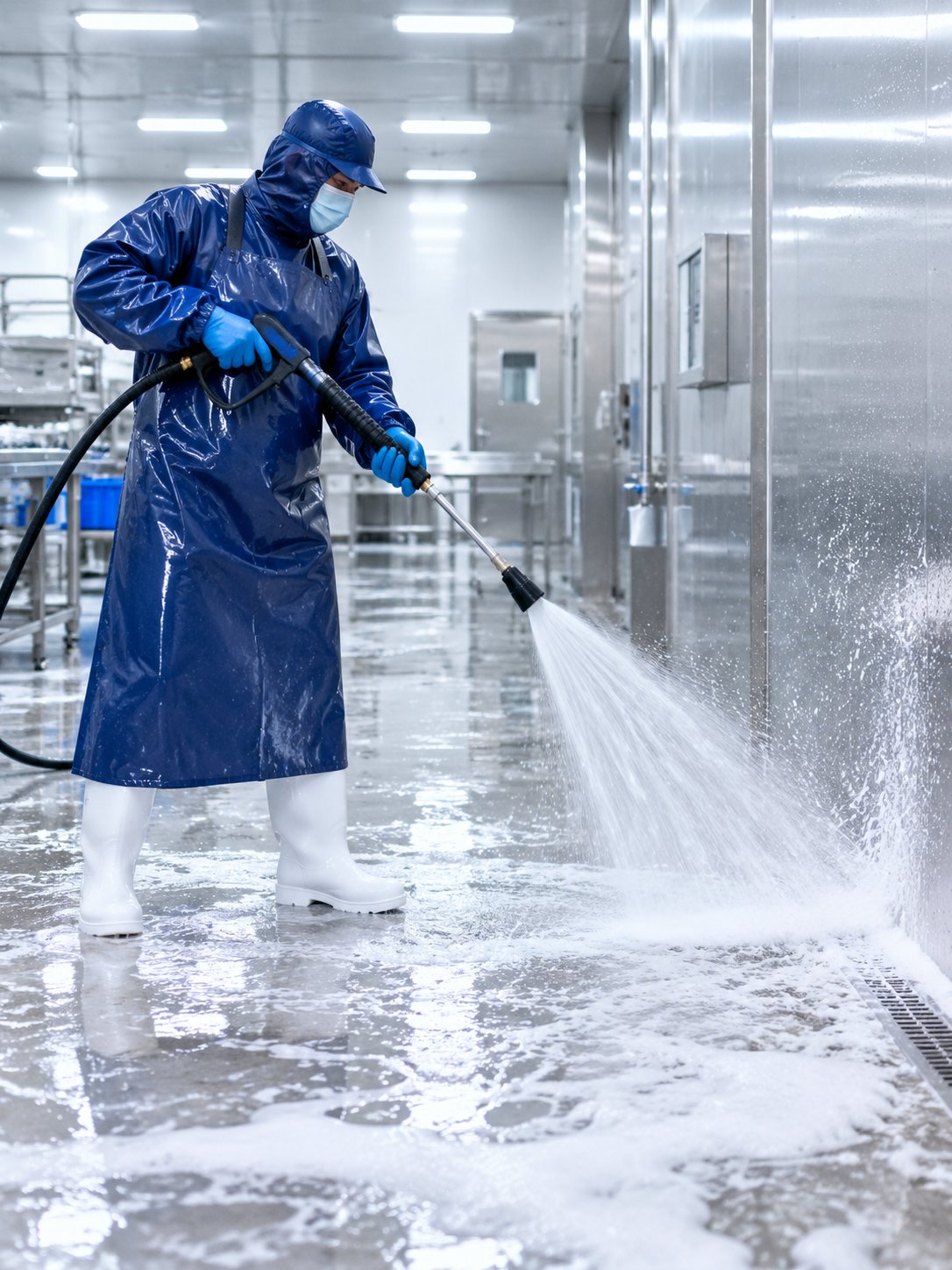 CleaningFood Industry Cleaning Equipment SolutionsFoam, CIP and washdown systems for food-contact surfaces and drains.View solution →
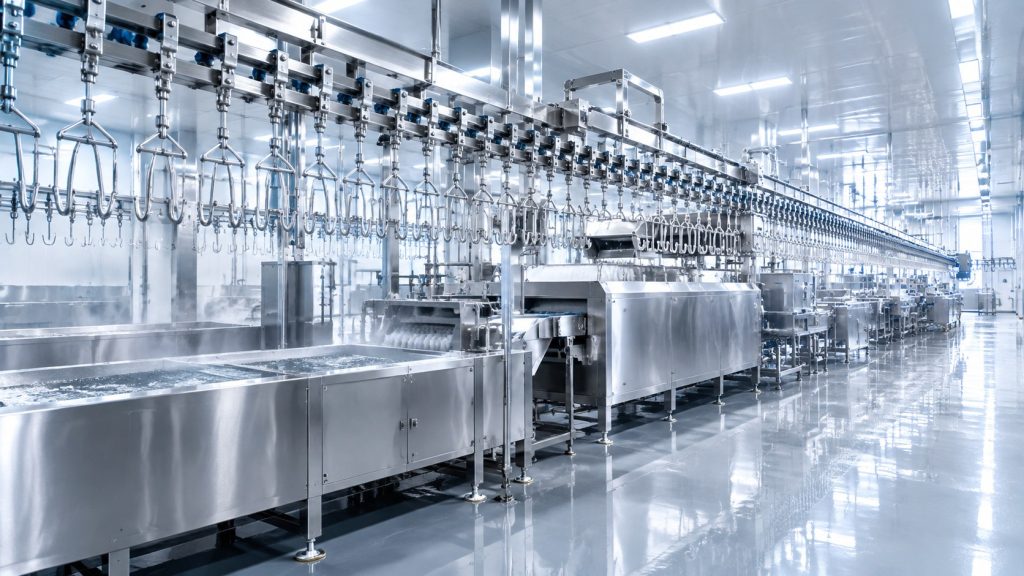 PoultryComplete Poultry Slaughter Line SolutionsHanging, scalding, plucking, evisceration and chilling on one continuous line.View solution →
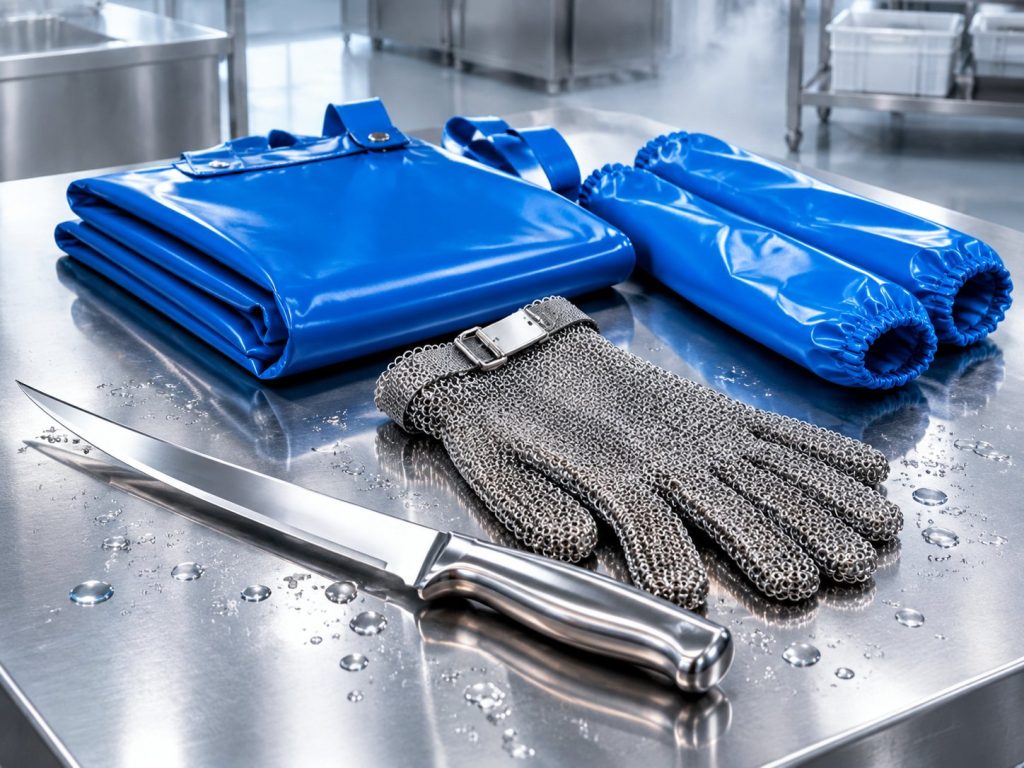 PPE & KnivesProtection, Cutting & Hygiene SolutionsKnives, aprons, gloves and hygiene kit for the kill floor and cutting room.View solution →